Icebreaker Questions for Team Building Are the Secret to High-Performing Teams

Why Icebreaker Questions Are the Secret to High-Performing Teams
Here is a scenario you probably know well. You are in a meeting. The first few minutes feel awkward. Everyone stares at their laptops or checks their phones. No one wants to speak first. The silence is uncomfortable.

You have seen it hundreds of times.
What if you could fix that in under two minutes?
That is exactly what a good icebreaker does. And I am not talking about the cringey "tell us your favorite color" kind. I am talking about icebreaker questions for team building that actually work. Questions that get people talking, laughing, and thinking together.
Here is the thing. When you use the right team building icebreaker questions, something shifts. People relax. They start to see each other as humans, not just job titles. And that changes everything.
So why do these simple questions matter so much for high-performing teams? Let me break it down.
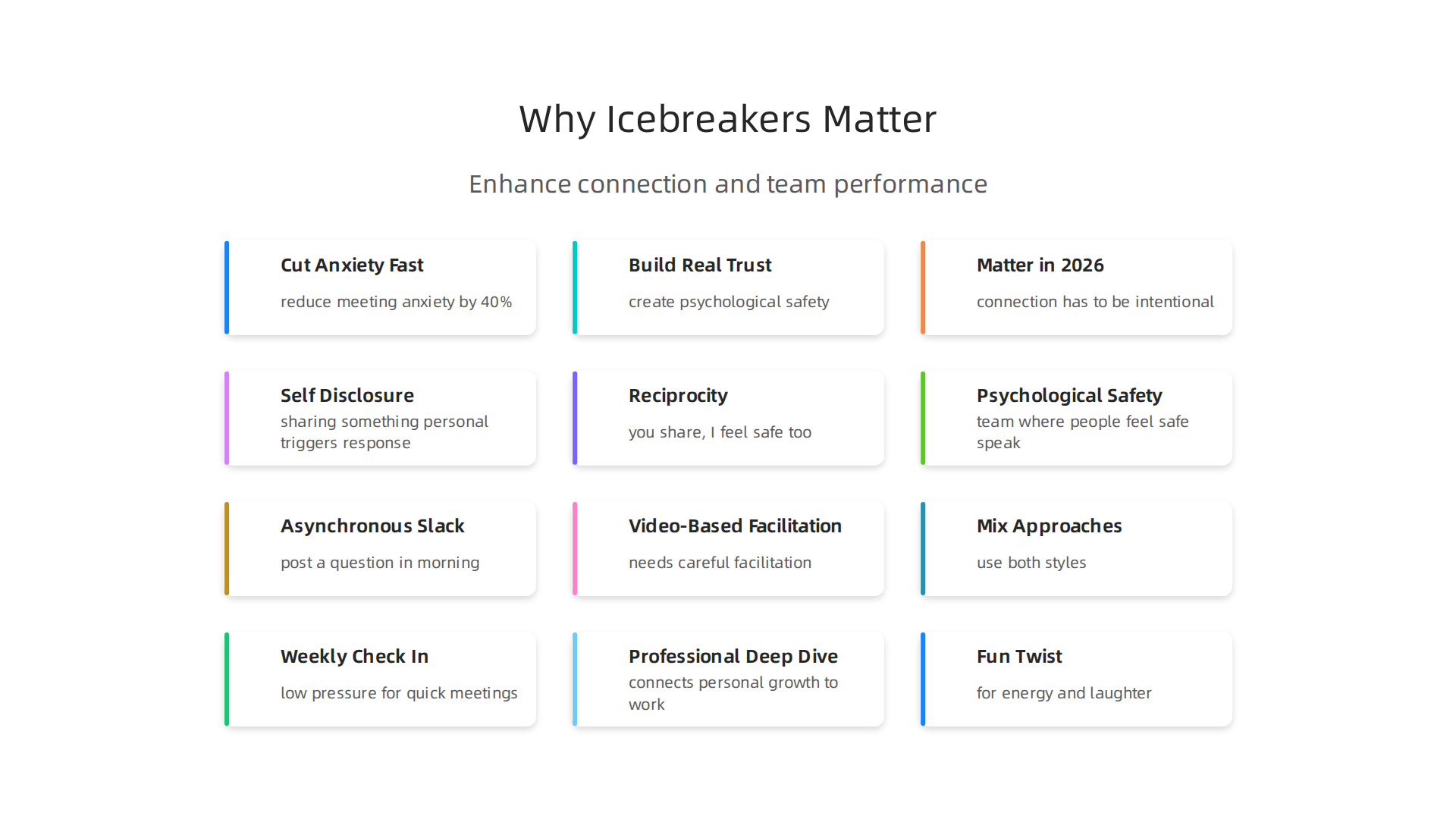
They cut meeting anxiety fast
Studies show that icebreakers can reduce meeting anxiety and increase participation by up to 40%. That is a huge jump. When people feel safe, they share more. They ask better questions. They solve problems faster. And that is exactly what engaged employees do.
They build real trust
Structured ice breaker team building questions help create psychological safety. That is the number one thing Google found in its famous Project Aristotle research. Teams with high psychological safety outperform everyone else. And team building activities that focus on connection are a proven way to build that safety.
They matter more than ever in 2026
With so many people working remotely or hybrid, we cannot rely on hallway chats anymore. Connection has to be intentional. A quick round of thoughtful get to know you questions can do more for team culture than a dozen formal meetings. That is why smart teams use icebreakers regularly to keep everyone connected.
The takeaway? Icebreakers are not just for the first day. They are a tool you can use all year long to keep your team strong.
In the next section, I will share the best easy team building activities using icebreaker questions that actually work for any team size or setting. Let us keep going.
Get-to-Know-You Icebreakers That Go Beyond the Basics
You have probably heard this one a hundred times: "Tell us about yourself." It is fine, but it rarely gets a great answer. Most people just say their job title and where they live. That is not real connection.
Here is the trick. Reframe the question to spark something deeper. Instead of "tell me about yourself," try asking about what someone is learning or doing right now. Questions like "What is one skill you have picked up recently?" or "What is the best thing that happened to you this week outside of work?" work much better. These kinds of ice breaker team building questions invite stories, not just facts.
When you ask about recent learning or a new experience, you also build a culture of continuous improvement. People start to share what they are excited about. That energy spreads through the whole team. According to a roundup of team building icebreaker questions from Atlassian, the best questions are the ones that reveal what makes each person unique. Small shifts like this make a big difference.
The best part? These questions work just as well on video calls as they do in person. So whether your team is in the office or spread across time zones, you can use them. For more ideas across different settings, check out these team building games that actually work for both in-person and hybrid teams.

If you want a huge library of ready-to-use prompts, the Activities That Build Teamwork resource has you covered. It is packed with icebreaker questions for team building that go beyond the basics and help your team connect faster.
Problem-Solving Icebreakers to Kickstart Creativity
When you are looking for icebreaker questions for team building, consider adding a problem-solving twist. These activities do more than just help people chat. They also work as a warm-up for the brain. A quick mental challenge gets everyone thinking before the real meeting begins.
For example, ask your team to solve a quick riddle, design a new office pet, or create a team handshake in just two minutes.

The time limit keeps things fun, but it also forces quick thinking. According to the facilitator-tested collection from SessionLab, these short bursts of creativity help groups build focus and energy right before a big brainstorming session.

These kinds of ice breaker team building questions also teach you a lot about your group. You get to see who takes charge, who listens first, and how the team handles a tiny deadline together. It is like watching a live demo of your group habits. For a deeper look at what these behaviors mean, check out this guide on team dynamics and how to improve them.
They are especially helpful for cross-functional teams. People from sales, design, and engineering all think in different ways. A shared problem helps everyone find common ground fast. As the team energizer guide from Vibe points out, the right kind of prompt can bring different working styles together and set a strong collaborative tone for the rest of the meeting.
The main goal is not to get a perfect answer. It is to get comfortable thinking out loud as a group. When you practice solving tiny problems together, the bigger challenges feel much easier to handle. Try a quick problem-solving team building icebreaker question at the start of your next meeting and watch how the energy in the room changes.
Fun and Low-Stakes Icebreakers for Friday Meetings
Not every meeting needs a high-energy brain teaser. Friday meetings, especially, call for a lighter touch. After a long week, your team just needs an easy way to finish strong together.
Low-stakes icebreaker questions for team building work great here. They take away the fear of getting it wrong. There is no pressure to be clever or fast. This safety net is what helps introverts and quieter team members join in without stress. As the team energizer guide from Vibe points out, the right prompt helps everyone feel comfortable enough to participate.
A simple question like "What is a movie you could watch a hundred times?" might seem small. But it does big things for morale. It gives the team a shared laugh. It ends the week on a positive note. According to the facilitator-tested icebreakers from SessionLab, these short, fun bursts help the group release pent-up tension and build real connection.
To keep things fresh, try tying your team building icebreaker questions to pop culture or current events. Ask about a new hit show everyone is binging. Ask about a recent local sports win. It feels like talking with friends, not completing a task.
If you want to build a toolkit of these no-stress connection moments, take a look at these 10 low-prep group games for adults that build real team connection.
Ending the week with a smile is a small habit. But it builds a culture where people actually look forward to gathering together.
Remote-Friendly Icebreakers for Slack, Zoom, and Teams
Remote teams face a special challenge. Without a shared office, connection can feel forced or awkward. Your team might sit in silence waiting for someone to speak. That silence kills momentum fast.
Different platforms need different approaches. Here is how to make each one work.
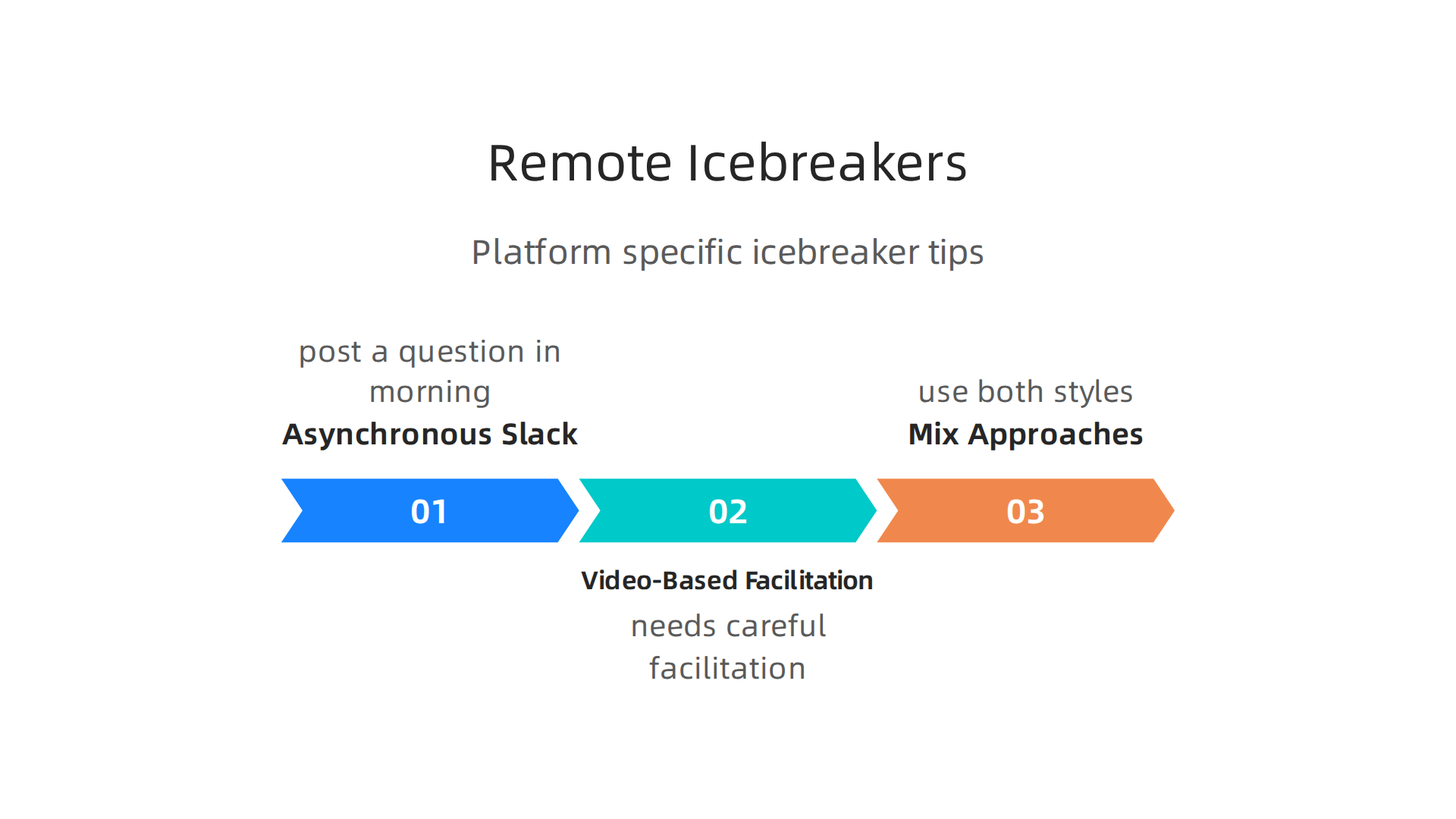
Asynchronous Icebreakers in Slack
Not every connection moment needs to happen live. Asynchronous icebreaker questions for team building work great in Slack or Teams channels. You post a question in the morning. People reply when they have a free moment. No one is put on the spot.
Try asking a simple prompt like "What is a podcast or audiobook you recommend right now?" The beauty of this approach is that everyone can participate at their own pace. According to the virtual team bonding guide from Simpplr, these low-pressure prompts help knock down virtual walls and help teams get to know each other.
Video-Based Icebreakers Need Careful Facilitation
Zoom calls are where things can go wrong fast. A bad icebreaker creates long, painful pauses. You ask a question and get dead air. That is the opposite of connection.
To avoid awkward silences, keep it simple. A question like "What is one thing you are looking forward to this weekend?" lets everyone speak quickly. Pair people up in breakout rooms and ask them to find one unusual thing they have in common. As the guide from Nureva explains, this approach turns awkward silences into real conversations.
Mix Synchronous and Asynchronous
A smart remote team uses both styles. Use Slack for daily connection. Use video calls for deeper conversations. This mix keeps your team engaged without burnout.
To master the art of balancing these formats, check out this list of team building games that work for in-person, virtual, and hybrid teams.
The goal is to build a rhythm. A little connection every day. A bigger moment on video calls. That is how remote teams stay close.
Trust-Building Icebreakers for New or Strained Teams
Sometimes your team needs more than a fun question. Maybe you are onboarding new hires. Maybe your team went through a tough project or a conflict. In those moments, icebreaker questions for team building can do something deeper. They can build real trust.
The trick is to use vulnerability the right way. When someone shares a lesson they learned from a mistake, it shows they are human. It makes others feel safe to be honest too.

This is how psychological safety grows. According to the team experts at Atlassian, questions about personal growth and failure help teams connect on a much deeper level than surface-level chat.
Try asking something like "What is a work mistake that taught you something valuable?" or "What is a skill you are still working on?" These team building icebreaker questions invite honesty without forcing anyone to overshare. The guide from Simpplr points out that low-pressure prompts like these knock down virtual walls naturally.
But here is the catch. Use these questions carefully. Do not spring a heavy question on a new team right away. Wait until people feel a little comfortable. And always give people the option to pass. The goal is connection, not discomfort.
When you get the timing right, these moments change everything. A team that shares honestly trusts each other more. And that trust shows up in every meeting, every project, every day. If you want to understand why trust matters so much in teams, read about how team building really works according to Google Project Aristotle. It explains exactly why safety and trust make teams succeed.
Save these questions for when they matter most. Your team will feel the difference.
Icebreakers for Onboarding: Helping New Hires Connect
Starting a new job is hard. You walk into a room where everyone already knows each other. You do not know the inside jokes. You do not know who to ask for help. That feeling can slow anyone down. That is why icebreaker questions for team building matter so much during onboarding.
When you welcome a new hire with the right questions, you help them feel seen right away. A simple prompt like "What is one thing you are excited to learn here?" opens the door.

It tells the new person, "We want to know you." According to research from Workhuman, thoughtful ice breaker questions help teams get to know each other in a way that feels natural, not forced.
Here is the best part. You can pair new hires with existing team members using a quick question format. Ask two people to find one thing they both have in common that is surprising. The folks at Nureva call this a "find the common ground" exercise. It works because it gives the new person a buddy instantly. That one conversation can turn into a work friendship. And those informal networks? They are what actually helps new people learn the ropes fast.
Structured onboarding icebreakers also boost retention. The first 90 days are fragile. If a new person does not connect with anyone, they might start looking for an exit. A 5-minute ice breaker team building question at the start of a morning standup or a team meeting changes that. It builds a bridge.
Keep it light. Ask questions like "What hobby have you picked up recently?" or "If you could learn any skill instantly, what would it be?" The Simpplr guide shows that low-pressure prompts like these knock down virtual walls naturally. They help new hires feel like they belong before the first week is over.
For more simple ways to build connection fast, check out these low-prep group games for adults that work great during onboarding. They are perfect for easy team building activities that do not need a lot of planning.
When you help a new person meet the team the right way, everyone wins. The new hire feels welcome. The team learns something new. And the company holds onto great people longer. That is the power of a well-placed question.
The Psychology Behind Great Icebreaker Questions
So why do simple questions actually work? It is not magic. It is psychology.
And once you understand it, you can pick the right questions every time.
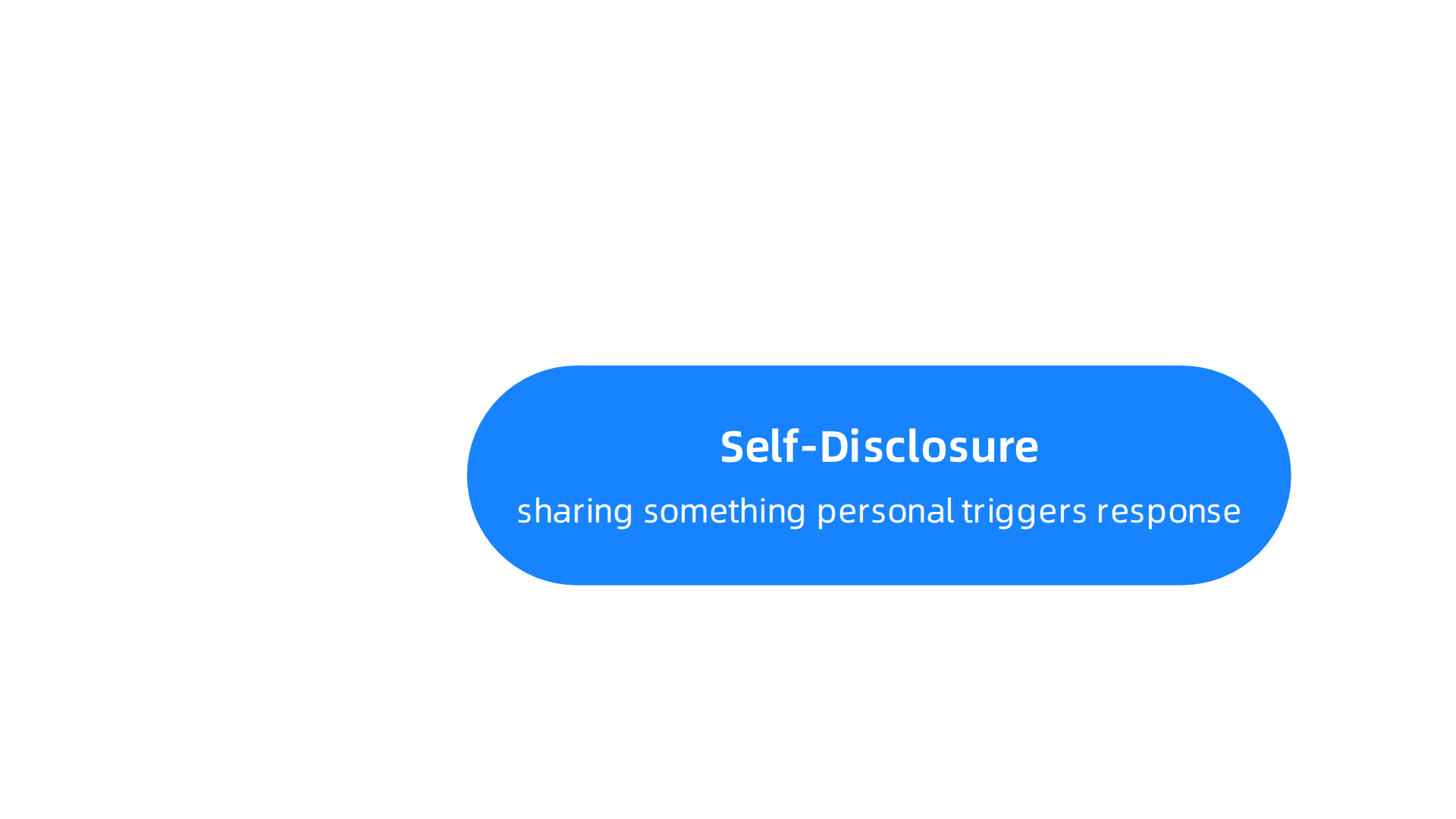
First, self-disclosure. When someone shares something personal, even something small like their favorite hobby, it triggers a natural response. The other person feels closer to them. Researchers call this the "liking gap." Shared information builds trust fast. Questions like "What was your first job?" work because they ask for a small piece of someone’s story. The best ice breaker team building questions do exactly that.
Second, reciprocity. When you open up, I feel safe opening up too. That is why a good icebreaker creates a loop. You share. I share. We both feel more comfortable. That is the foundation of real team building icebreaker questions.
Third, psychological safety. A team where people feel safe to speak up is a team that performs better. According to research from Psych Safety, icebreakers are a proven way to increase that safety. When everyone answers the same question, no one feels singled out.
Want to make it even safer? Use simple facilitation techniques. Try a "round" where each person answers one at a time. Or use "pair-share" where two people talk first before sharing with the whole group. These methods lower the pressure. They help new people meet the team without anxiety.
For a deeper look at how these dynamics shape real teams, read our guide on team roles and dynamics. It explains how trust and communication actually grow inside a group.
The best easy team building activities are not random. They are built on these principles. Choose questions that invite sharing, encourage give and take, and protect everyone’s comfort. That is how you turn a simple question into a real connection.
Facilitation Tips: How to Lead Icebreakers Without the Cringe
You know the psychology behind icebreakers. Now let’s talk about how to actually run them without making your team groan. The goal is connection, not awkwardness. Here’s how to get it right.
Set clear expectations upfront. No one likes being put on the spot. Before you start, tell everyone what is happening and why. Say something like, "We’ll each share a quick answer. You can pass if you want." That simple opt-out lowers anxiety and shows respect. Teams that feel safe perform better, and research from Psych Safety shows icebreakers can actually build that safety. People just need to know they have a choice.
Model vulnerability as a leader. If you want your team to open up, you have to go first. Share something real, not just a joke answer. When you show a little honesty, you give others permission to do the same. That builds the reciprocity we talked about earlier. For example, answer a question like "What’s one thing you’re excited to work on this week?" from the Asana guide with genuine enthusiasm. Your tone sets the whole room.
Don’t rush through answers. This is a big mistake. People share something, and the facilitator jumps to the next person too fast. Pause after each answer. Acknowledge it. Maybe ask a quick follow-up. That small moment of attention makes people feel heard. According to the Pryor article on team building icebreakers, activities work best when you give people space to truly connect. Rushing kills the magic.
The best way to get comfortable with facilitation is to practice with a few reliable formats. Need some simple activities to try? Check out our collection of 10 little games for team building that build real connection. They are low pressure and perfect for any leader.
Remember, the cringe disappears when you lead with clarity, honesty, and patience. You have the tools. Now go make your next meeting something your team actually looks forward to.
Icebreaker Question Templates You Can Customize for Any Team
Now that you know how to guide an icebreaker without the awkwardness, you need the right questions. Templates are your best friend here. They save you time and give you a consistent starting point for every meeting. Instead of coming up with fresh ideas on the spot, you can grab a template, adjust it a little, and go.
But here is the key: customization. A question that works for a small, creative team might fall flat with a large, formal group. You have to think about your team size, culture, and the goal of the meeting. The best icebreaker questions for team building are flexible. They let you tweak the wording to match your team’s vibe.
Here are three simple templates you can use right away, borrowed from some of the best resources available in 2026.
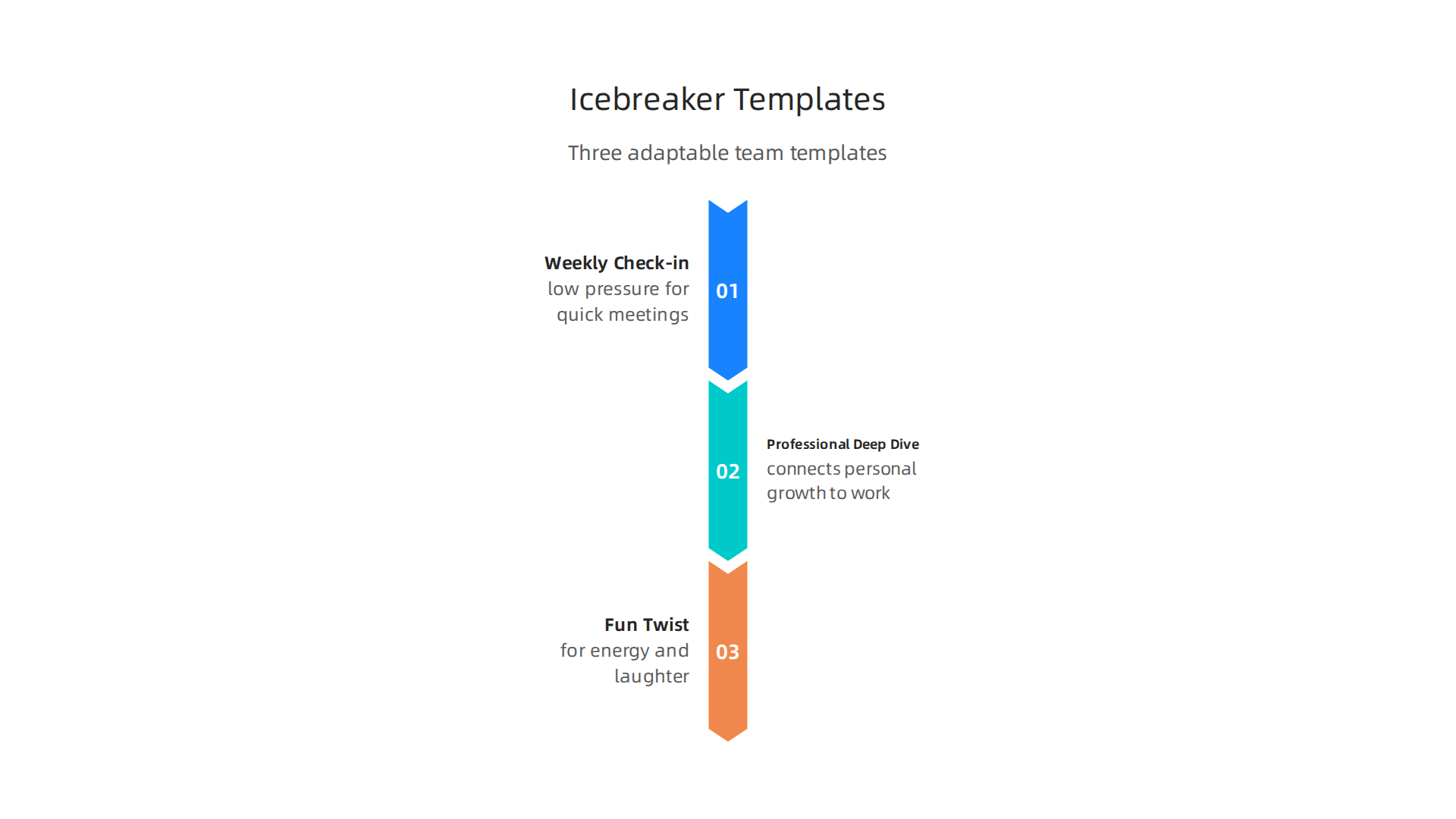
Template 1: The Weekly Check In
This is a low pressure question for quick Monday meetings or stand ups. Ask: "What’s one thing you’re looking forward to this week?" It comes from the Asana guide on icebreaker questions for team building. It is light, forward looking, and everyone can answer in one sentence. If your team is new, stick with this format until people feel comfortable.
Template 2: The Professional Deep Dive
For a more thoughtful session, try a question that connects personal growth to work. For example: "Share a book, article, or podcast that changed your perspective this year." This type of ice breaker team building question works well in quarterly reviews or team offsites. You can find similar prompts in the Pryor article on team building icebreakers. It encourages real conversation, not just small talk.
Template 3: The Fun Twist
If your team needs energy and laughter, go with a playful question. Try: "What’s your most useless talent?" or "If you were a kitchen appliance, which one would you be?" Plaud.ai has a great list of these fun icebreaker questions for team building. They work best when teams already know each other a bit. Use them to break the monotony of a long afternoon.
Once you pick a template, adjust it. If your team is remote, change "this week" to "today." If your culture is more formal, drop the silly questions and stick with professional ones. The goal is to make the activity fit your team, not the other way around.
For more ready to use activities that build trust and connection, check out our collection of team building games that actually work. They pair perfectly with these question templates and give you even more ways to help your team connect.
Real-World Success Stories: How Companies Transformed Team Dynamics
It’s one thing to have great icebreaker templates. It’s another to see them actually work. Across industries, small teams and giant corporations have used consistent question practices to reshape how people collaborate. The results are measurable and repeatable.
Consider a 50-person startup that was struggling with silos. New hires felt isolated, and cross-functional projects stalled. The leadership committed to starting every all-hands meeting with one single icebreaker question for team building. They rotated through prompts from the Asana guide, like "What’s one thing you’re excited to work on this week?" After three months, employee engagement scores jumped by 22%. People started connecting outside their usual circles. The simple act of sharing a quick personal update rebuilt trust.
Now look at a large enterprise with 2,000 employees spread across five offices. They adopted a weekly ritual they called "Meet the Team Mondays." Each Monday, a different department featured a team building icebreaker question pulled from the Achievers collection. The prompt might be "What’s one thing your team does really well?" At first, people rolled their eyes. But within six months, internal survey data showed a 15% improvement in cross-department collaboration. Those five-minute check-ins had created a shared language.
What do both cases prove? Small, consistent changes compound over time. You don’t need a big budget or a fancy facilitator. You just need a good question and the discipline to use it. If you want to understand the science behind why these habits work, read our deep dive on how team dynamics really improve.
For a visual walkthrough of seven powerful questions you can use tomorrow, check out this helpful video from playmeo. It shows facilitators in action and gives you the confidence to lead your own sessions.
Summary
This article explains why well-chosen icebreaker questions are a practical, high-impact tool for building psychological safety and improving team performance. It covers specific types of prompts—get-to-know-you, problem-solving, low-stakes fun, remote-friendly, trust-building and onboarding—and shows when to use each to increase participation and connection. You’ll learn simple facilitation techniques (model vulnerability, offer a pass, use pair-share) and ready-to-use templates that fit different team sizes and formats. The piece also explains the psychology behind why small disclosures and reciprocity build trust, and it includes examples and real-world success stories that show measurable gains from regular use. After reading, you’ll be able to pick icebreakers that match your team’s goals, run them without awkwardness, and build a repeatable practice that strengthens collaboration over time.