Elevate Team Performance with Fun Multiplayer Games

Working together at work can be tricky sometimes. In 2026, many teams still find it hard to talk clearly, work as one, and feel connected, especially when people work from different places. This can make it tough for a team to do its best work. When people don’t feel engaged, it’s like trying to row a boat with only half the crew paddling.
But what if there was a simple, fun way to help? This is where fun multiplayer games come in! We’re not talking about old-fashioned "human knot team building game" activities. We are looking at modern ways to bring people closer. Playing games together, whether in person or through virtual team building online, can really boost how well a team works.
Think about it. When you play a game with others, you have to talk, plan, and trust your teammates. This kind of team building gaming helps build stronger bonds. A study even found that teams playing cooperative games saw a big jump in how much they trusted each other and how well they worked together, sometimes as much as 35% better, according to research from Guul Games about Building Better Teams: The Role of Online Multiplayer Games. That’s a huge step toward making work more fun and teams more powerful.
This guide will show managers how to use fun multiplayer games to make their teams happier and more productive. We will give you a helpful guide filled with game ideas, tips on how to lead them, and ways to see if they are actually making a difference. Get ready to learn about new team building activities for employees that will change the way your team connects.
Benefits of Multiplayer Games for Teams (Communication, Trust, Morale)
So, how exactly do fun multiplayer games help a team connect better? It all comes down to three big things: how people talk to each other, how much they trust each other, and how happy they feel about working together. When teams play games, they learn without even realizing it.
Boosting How Teams Talk and Plan
Good talking is super important for any team. In 2026, many teams still struggle with clear communication, especially when some people work from home and others are in the office. This is where team building gaming shines. When you play a game together, you have to talk to win. You might say, "I’ll go left, you go right!" or "Watch out for that!" This kind of quick, natural talking helps everyone practice sharing ideas and listening.
Studies have even shown that the way people talk in online multiplayer games can tell you a lot about how good the team is. Better communication patterns often mean better team skills Communication Patterns Predict Team Skill in Multiplayer Online Games. This practice translates to real work, making it easier for team members to speak up, share thoughts, and plan projects effectively. It also helps with virtual team building, making sure everyone feels heard, no matter where they are.
Building Stronger Trust and Connections
Trust is like the glue that holds a team together. If you don’t trust your teammates, it’s hard to work well. When playing games, you often have to rely on others. Maybe one person needs to protect another, or someone has to share important game items. This shared experience builds trust. You learn that your teammates have your back, and they learn that they can count on you too.
Research supports this, showing that the good social behaviors people show in online games can help build trust within the team Effects of Social Behaviours in Online Video Games on Team Trust. This bond goes beyond the game, making the team feel more connected and safe to share ideas and take chances at work.
Lifting Spirits and Making Work More Fun
No one wants to come to a dull workplace. Fun multiplayer games can really boost how happy people feel at work, also known as morale. When people have fun together, they laugh, they relax, and they feel closer.

It’s a break from the usual work routine, a chance to see teammates as more than just colleagues. This can make people more excited to come to work and more engaged in their tasks. Think about it: a team that plays together often stays together!
Need a Lighter Team Idea? A funny shared story can spark conversation without feeling forced. Try out Doridiculous.com for some laughs!
Cooperative Versus Competitive Games
Not all games are the same. Some team building activities for employees are cooperative, meaning everyone works together against the game itself. These types of games are fantastic for building strong bonds and a sense of shared purpose. Everyone wins or loses as a team, which really pushes collaboration. They help people practice helping each other and reaching a common goal.
Other games can be competitive, where teams play against each other, or even individuals compete. While this might sound less "team-building," it can still be helpful. Friendly competition can boost energy, encourage strategic thinking, and improve problem-solving skills. The key is to keep it light and fun, focusing on the teamwork within each competing group. The goal is always to improve how the team works together, not just to pick a winner.
By using these games, managers can see real improvements in how teams talk, trust each other, and feel happy at work.
Picking the right fun multiplayer games for your team is super important to get the best results. It’s not just about playing any game; it’s about finding the ones that fit your team just right. Think of it like choosing the perfect tool for a job. There are a few things to consider to make sure your team building gaming hits the mark.
What to Think About When Choosing Games
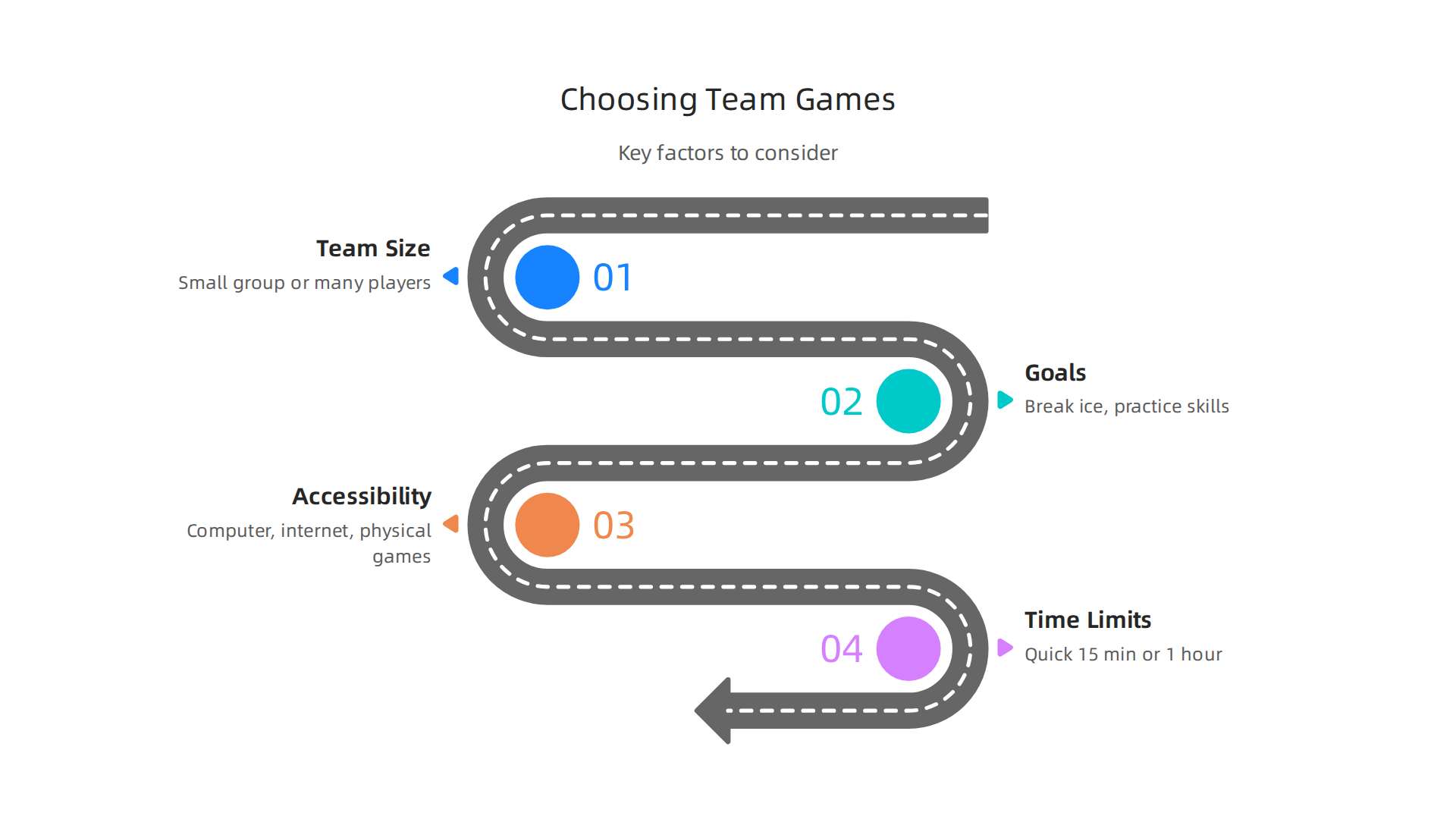
To choose well, you need to look at your team’s size, what you hope to achieve, and how easy it is for everyone to join in.
Team Size and Goals
First, how big is your team? Some fun multiplayer games work best with a small group, while others can handle many players. If you have a big team, you might need games that let people break into smaller groups.
Next, what’s your goal? Are you just trying to break the ice and help new people meet? Then you’ll want games that are light and easy, like simple icebreaker questions for team building. Or are you trying to practice certain skills, like talking better, solving problems, or building trust? For those, you’ll need games that really push people to work together and think.
Accessibility and Time Limits
It’s also key to think about what everyone has access to. Does everyone have a computer and a good internet connection if it’s an online game? Are there any physical games that might be tricky for some team members? Make sure the game is fair and fun for everyone.
How much time do you have? Some games are quick and can be done in 15 minutes as a warm-up. Others might take an hour or more for a deeper team building gaming session. Choose a game that fits neatly into your schedule so it doesn’t feel rushed or drag on too long.
Different Ways to Play: In-Person, Hybrid, and Virtual Games
The way your team works also helps decide what kind of games to play.
-
In-Person Games: If everyone is together in the same room, you have many choices. You can play board games, card games, or even physical team building activities for employees like scavenger hunts. These are great for face-to-face interaction and laughter.
-
Hybrid Games: This is when some people are in the office and others are working from home. These can be tricky, but many games now offer ways for both groups to play together. The key is to make sure everyone feels equally involved, no matter where they are.
-
Fully Virtual Games: For teams that are all remote, virtual team building games are perfect. There are tons of online platforms and games designed for video calls. These can be just as much fun and help people connect even from afar. You can find many choices for online games for remote teams.
By thinking about these points, you can pick the best fun multiplayer games that will truly help your team grow stronger and happier. Choosing wisely means more smiles, better teamwork, and a more connected group.
Sometimes, a different kind of shared experience can also bring a team closer.
Give Your Team a Laugh with a clever sci-fi comedy as a fun shared read.
Sometimes, a different kind of shared experience can also bring a team closer. When your team works from different places, choosing the right kinds of fun multiplayer games becomes even more important. It’s all about making sure everyone can join in, no matter where they are or what their computer setup is like. This is especially true for remote and hybrid teams in 2026.
Top virtual multiplayer game formats for remote and hybrid teams
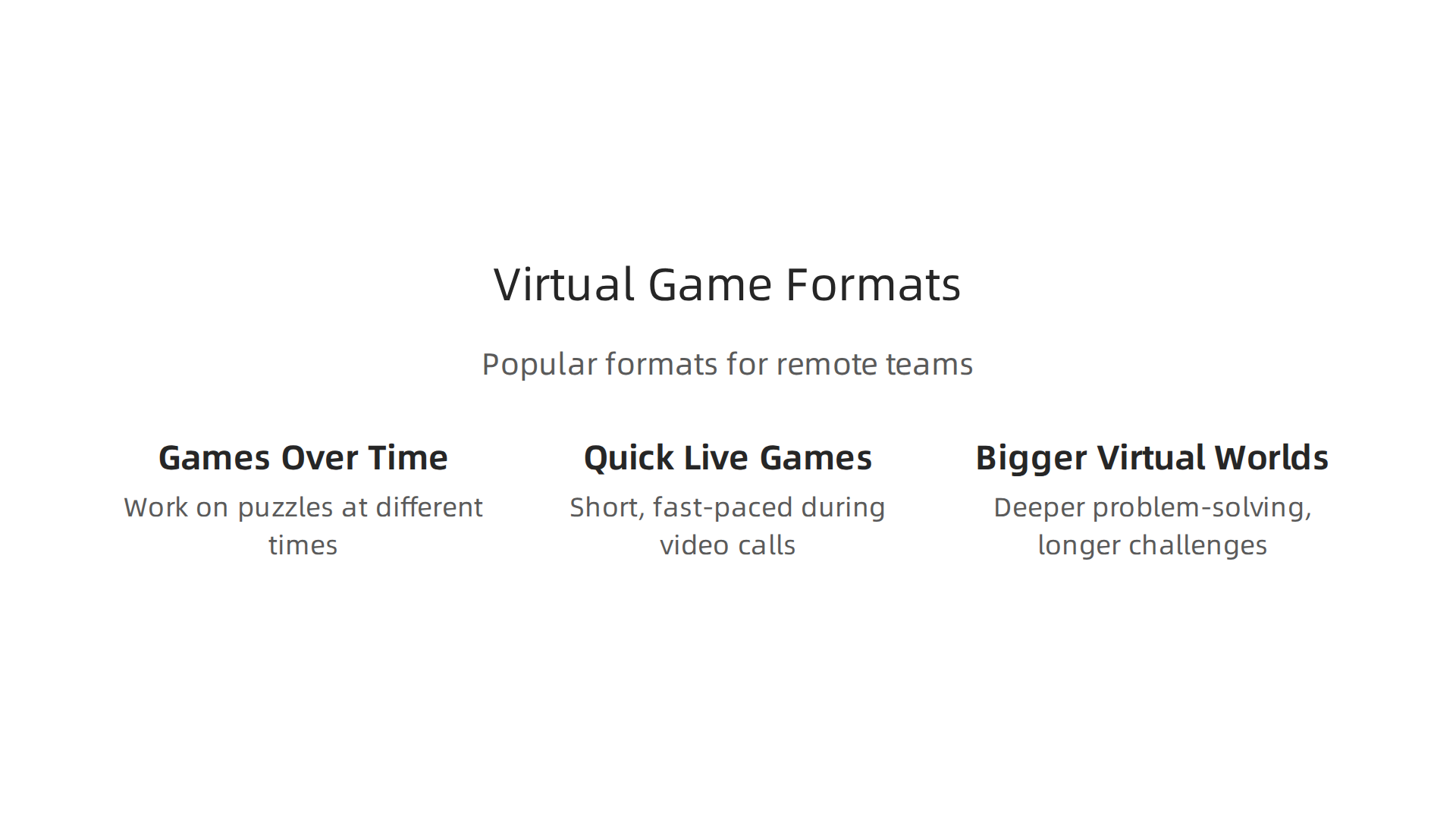
Virtual games offer many ways to bring people together. Here are some popular formats that work well for teams not in the same room.
Games You Play Over Time
Some fun multiplayer games don’t need everyone to be online at the exact same moment. These are called asynchronous collaborative games. Think of them like a puzzle that different team members work on at different times. One person might add a piece, then another person adds the next piece hours later. This format is great because it lets people play when it fits their schedule, especially if they are in different time zones. It also gives everyone time to think about their moves carefully.
For example, word games or puzzle-solving apps where you take turns can be great for this. They help everyone work towards a common goal without the pressure of a live meeting. Some of the best options include online versions of word games or even digital escape rooms that can be solved step by step over a few days. You can find many choices for online games for remote teams.
Quick Live Games
Then there are live multiplayer microgames. These are short, fast-paced games played together in real-time, usually during a video call. They are perfect for a quick break or to kick off a meeting with some energy. Games like online trivia, quick drawing games, or "guess the emoji" are popular choices. They get people laughing and talking right away. These kinds of games are excellent for virtual team building because they create instant shared experiences and can easily fit into a busy day.
Bigger Virtual Worlds and Problem Solving
For deeper team building gaming, you can explore persistent virtual worlds or cooperative problem-solving sessions. These are games where your team might spend more time together, working through harder challenges. Imagine a virtual escape room that takes an hour to solve or a game where you have to build something together in a digital space. These help teams really practice talking to each other, making plans, and solving problems as a group. They are great for developing skills that can be used back in the real work.
Making Sure Everyone Can Play
When choosing virtual team building activities for employees, it’s super important to think about accessibility.
- Devices: Does everyone have a computer, or do some team members rely on their phones? Make sure the game works well on different devices.
- Internet: A good internet connection is key. Some games use a lot of internet data, which might be a problem for people with slower connections.
- Time Zones: If your team is spread across the world, games that allow for flexible play (asynchronous) can be a lifesaver. For live games, pick times that work for most people or offer different sessions.
Choosing games that are easy for everyone to access and play will make sure that your virtual team building efforts are truly fun and helpful for all.
Give Your Team a Laugh with a clever sci-fi comedy as a fun shared read. Consider how a book club might be another way to bring your team together, leading to great conversations and shared joy. You can find a good choice here: Give Your Team a Laugh.
After picking out some great fun multiplayer games, the next step is to make sure the game session itself goes smoothly. This means thinking about how you will run the game, or "facilitate" it. A good plan makes all the difference, helping everyone have fun and learn something useful too.
How to Host a Great Game Session
Running a virtual game session doesn’t have to be hard, but it does need a few steps to make it work well. Think of it like being a friendly guide for your team. Most game sessions can fit into a 30 to 60 minute time slot, especially if you plan it out.
Here are the main parts:
1. Getting Ready: Your Game Plan and Roles
Before the game even starts, you’ll want to think about who does what.
- The Host: This person is like the main game show host. They greet everyone, explain the rules, keep time, and guide the whole session. They make sure everyone feels welcome and knows what’s happening. A good host can really make a team building gaming session shine.
- The Scorekeeper: For games with points, this person keeps track. They can share scores at different times so everyone knows where they stand.
- Breakout Lead: If your game uses smaller groups (like in virtual escape rooms), a breakout lead helps their small group understand tasks and makes sure everyone is taking part. Some tools even offer features for Facilitator Guide to help manage roles and timing.
It’s also smart to have a backup plan. What if someone’s internet goes out? What if the game software crashes? Knowing what to do in these small emergencies helps keep things fun and not stressful.
2. Starting the Game: Briefing Your Team
This is where the host tells everyone about the game.
- Welcome and Warm-Up: Start with a friendly hello. Maybe a quick icebreaker question to get people chatting before the game begins.
- Explain the Rules Clearly: Use simple words. Show examples if you can. Make sure everyone understands how to play and what the goal is. You can even share a quick guide beforehand.
- Timing: Let everyone know how long the game will last and if there are different parts with specific time limits. For example, "We’ll play for 20 minutes, then have 10 minutes to talk about it."
- Link to Learning: Briefly mention why you’re playing. Is it to practice talking better? To solve problems together? This helps link the fun back to real-world skills. Many virtual team building experiences aim to build specific skills.
3. After the Game: Debriefing What You Learned
Playing the game is only half the fun! The "debrief" is when you talk about what happened and what everyone learned. This is a very important part of any team building activity for employees.
- What Went Well? Ask the team what they enjoyed. What felt easy?
- What Was Tricky? What challenges did they face? How did they work through them?
- What Did We Learn? How did people talk to each other? Did they listen? Did they share ideas? How can these lessons help with their actual work? Learning from the game helps boost important transferable skills.
- Connecting to Work: The host can help guide this talk to show how the fun of the game can make the team stronger at work.
A good debrief makes sure the game isn’t just a break, but a real learning experience that makes your team better.
Need a Lighter Team Idea? A funny shared story can spark conversation without feeling forced. Need a Lighter Team Idea?
Bringing new people into a team can sometimes feel a bit awkward at first. This is where playing games, especially fun multiplayer games, can really help! Instead of just reading rules or filling out forms, new hires can jump right into an activity that makes them feel like part of the group.
Onboarding and Integrating New Hires Using Multiplayer Games
Imagine joining a new company in 2026. You might feel a little shy or unsure. But if the first few days include some fun, easy games, it helps a lot. These kinds of lightweight activities help new hires connect with their teammates faster. It’s a great way to break the ice and make those first few weeks less strange and more welcoming. Many companies are using games to make new employees feel at home, finding that employee onboarding games and activities can significantly improve how quickly people settle in.
Games help people talk and laugh together naturally. They can learn about each other’s personalities and how they work in a relaxed setting. This social bonding is really important for building a strong team from day one. In fact, research on human-centered onboarding shows how important it is to make new employees feel welcome and connected right from the start of their journey with a company.
Here are some simple ways to use games when new people join:
- First Day Fun: On day one, after the paperwork, play a quick online game that doesn’t need much thinking. It could be something silly and light. This helps everyone relax and start chatting.
- Team Introductions: When a new person joins a specific project team, have the team play a quick virtual game together. This helps the new person learn names and see how their new teammates work together. It’s a fun way to do team building gaming.
- Role-Specific Challenges: For certain jobs, you could use a game that has a small challenge related to their role. This helps them understand what they’ll be doing in a fun way, rather than just reading about it. For instance, a game that involves problem-solving can show them what kind of thinking is valued.
- Weekly Check-ins: For the first month, maybe have a short 15-minute game session during a team meeting. This keeps the connection going and gives the new hire more chances to bond. This can be part of a larger virtual team building strategy.
By using team building activities for employees during onboarding, you’re not just playing around. You’re actively creating a warm, welcoming space where new hires can quickly find their place and start contributing. This makes them feel valued and excited to be part of the team.
When you use games to help new hires feel at home, it’s great. But how do you know if these fun multiplayer games are really helping your team? It’s important to show the people in charge that these activities are a good use of time and money. Measuring the impact means looking at what changes after everyone plays.
Measuring Impact: Metrics, Surveys, and Demonstrating ROI for Multiplayer Game Sessions
To see if your team building gaming efforts are working, you need to collect some simple information. Think of it like a quick check-up for your team.
Using Short Surveys to Gather Feedback
One easy way to measure impact is with short surveys. You can ask team members simple questions before and after they play games.
- Before the Game: Ask how connected they feel to their team, or how comfortable they are sharing ideas in meetings.
- After the Game: Ask those same questions again. Did anything change? Did they feel more connected or comfortable?
You can also ask open-ended questions like, "What did you like most about the game?" or "How did this game help you feel closer to your team?" These quick surveys give you a snapshot of how people feel. Many companies find that measuring the effectiveness of team building activities is key to ensuring their investment pays off, as studies in 2026 suggest significant returns on investment for team building initiatives when properly tracked ROI of Team Building Events: 2025 Data & Metrics.
Watching for Behavioral Changes
Beyond surveys, you can also look for changes in how people act at work. These are called behavioral indicators.
- Meeting Participation: Are new hires speaking up more in team meetings? Do team members seem more willing to share ideas? This can show improved communication quality and confidence What metrics prove the success of corporate team building activities?.
- Cross-Team Collaboration: Do people from different parts of the team work together more often? Do they offer help to others without being asked?
- Team Spirit: Do people laugh more? Do they seem happier to be at work?
- Problem-Solving: Do teams find solutions faster or come up with more creative ideas?
It’s a good idea to watch these things over a few weeks or months. Regular check-ins, even monthly, can show if the positive effects of team building activities for employees are lasting. Some research shows that only a small portion of organizations measure team building results, but those that do often see a return of about $4 for every $1 invested Team Building Impact Measurement: Prove the After-Event Effect.
Showing the Results to Leaders
When you talk to managers or company leaders, you need to show them how virtual team building and in-person games help the company. You can explain how games lead to:
- Happier Employees: Who stay longer at the company.
- Better Teamwork: Which helps projects get done faster and better.
- More Ideas: Because people feel safe to share.
To make it easy, you can suggest trying out a small plan first. Call it a "pilot program." Pick one team or a few new hires to try the games. Then, track their progress using your surveys and by watching their behavior. You can use simple goals called Key Performance Indicators (KPIs). For example, a KPI could be "New hires will speak up in at least one meeting per week." This helps show the real value, or Return on Investment (ROI), of using games for team building. By setting clear goals, you can measure the true impact of team building activities How to Measure the True Impact of Team Building Activities.
Need a Lighter Team Idea? A funny shared story can spark conversation without feeling forced. Discover a host of fun and ridiculous stories to share and start building connection today.
Summary
This article explains how fun multiplayer games—whether in-person, virtual, or hybrid—can strengthen team communication, trust, and morale and offers a practical how-to for managers. It covers why games work (they create natural opportunities to talk, plan, and rely on teammates), how to pick the right format for team size and goals, and which virtual game types fit different schedules and time zones. The guide walks you through hosting a session, including roles, a clear briefing, and a focused debrief so the play connects back to real work skills. It also describes using games for onboarding new hires to speed integration and offers simple ways to measure impact with short surveys, behavioral indicators, and pilot KPIs. Throughout, the article emphasizes accessibility, light facilitation, and keeping competition friendly so the activity improves teamwork rather than dividing people. After reading, managers will be able to select suitable games, run engaging sessions, and demonstrate the value of game-based team building to leaders.