How Free Sandbox Games Boost Team Creativity and Collaboration

Working in a team is great, but sometimes it can be tough. Teams might struggle with talking to each other, staying excited about work, or helping new people fit in. If your team works from different places, it can be even harder to feel connected.

Luckily, there’s a simple and fun way to help with these problems: sandbox games.
What are sandbox games?
Think of sandbox games like playing with a big box of LEGOs. You don’t get strict instructions. Instead, you get to build whatever you want, however you want. These are "unrestricted games" where players have a lot of freedom to create, explore, and interact. There’s no single right way to play or win. This kind of open-ended play is great because it makes people think outside the box and try new things. Research in 2026 shows that creative play can really boost social skills and how people think together Effects of improved creative play interventions on social … – Frontiers.

Why sandbox games are a low-cost, high-impact tool for teams
One of the best things about sandbox games is that many are "sandbox games free" or very cheap. You often don’t need fancy tools or a lot of setup. You can find "free games to play on computer" or simple activities that just need a few basic supplies. This means teams can get together and play without big costs or lots of planning.
These "types of games" help teams in many ways:
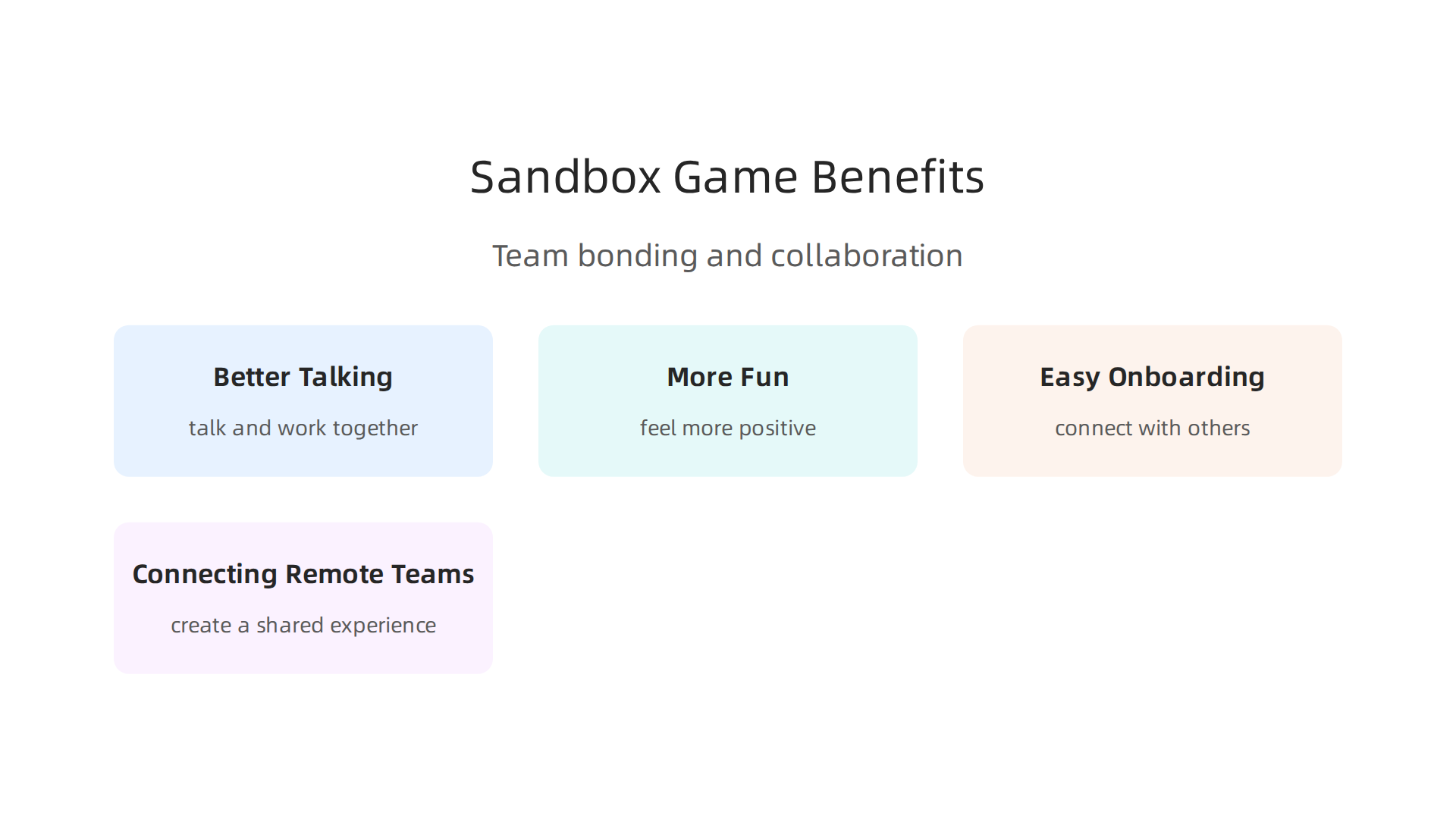
- Better Talking: When people play freely, they have to talk and work together to figure things out. This makes communication much better.
- More Fun and Excitement: Open-ended games are often very engaging. When team members have fun, they feel more positive and excited about working together. This boosts morale and connection.
- Easy Onboarding: New team members can join in without feeling left out. Sandbox games help them connect with others in a relaxed way, making it easier to fit in and understand team dynamics.
- Connecting Remote Teams: For teams not in the same office, these games can create a shared experience that builds bonds. It helps everyone feel like part of the group, even from far away.
Using simple, low-prep group games can really build real team connection. If you’re looking for more ways to make your team feel closer, you might enjoy exploring some 10 low-prep group games for adults that build real team connection.
Need a Lighter Team Idea? A funny shared story can spark conversation without feeling forced. Discover more ways to bring your team together on Dori Ridiculous.
Sandbox games do more than just connect teams; they also help people think better and solve problems together. This is because these types of games let you explore freely, try out ideas without fear, and build new things together. It’s like having a shared world where everyone can add their ideas.

This leads to new goals and fun ways to reach them.
How sandbox play helps teams get creative and solve problems
Think about how sandbox games work:
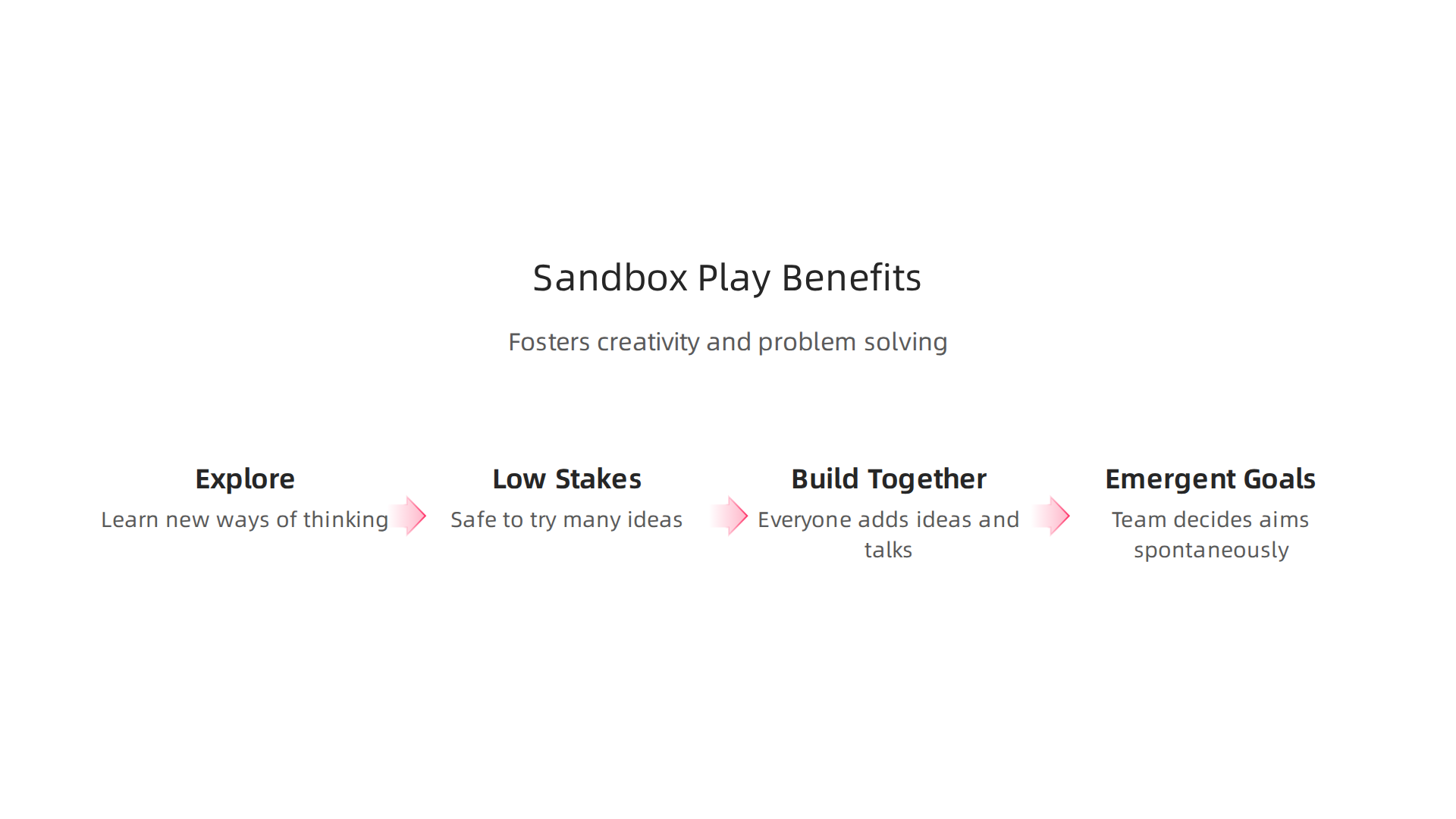
- You get to explore: Players can wander around and discover things on their own. This helps them learn new ways of thinking and seeing problems from different angles.
- Low-stakes trying: Because there’s no "wrong" way to play, people feel safe to try out many different ideas. If an idea doesn’t work, it’s easy to try something new without worrying about failing. This "low-stakes experimentation" is key for creative thinking.
- Building worlds together: Team members work side-by-side to create a shared space or story. This "shared world-building" needs everyone to put in their ideas and talk about them. It also means they have to agree on things, which makes their teamwork better.
- Goals just pop up: Instead of being told what to do, players often find "emergent goals" as they play. This means they decide what they want to achieve together. This helps them practice planning and working toward shared aims.
All these things help teams a lot. When playing sandbox games, team members often find they:
- Talk better: To build a shared world or solve problems, they must chat a lot. This makes their communication stronger. Studies show that play-based activities can really help improve how people talk and work together Play-based interventions to support social and communication ….
- Are flexible with jobs: People might try different roles, like being the leader for a bit, then helping someone else. This "role flexibility" makes teams more adaptable and understanding of each other’s strengths.
- Get more ideas: The free nature of these unrestricted games means many ideas come out. This "idea generation" is important for solving tough problems at work.
Many of these sandbox games are "sandbox games free" or can be played for a very small cost. You might find "free games to play on computer" that work well for team creativity. These kinds of activities, like some writing games or simple build-and-play challenges, are excellent for boosting imagination and making teams stronger. To discover more activities that build connection, consider trying out some free play team building activities that build trust and connection.
Now that we know how useful sandbox games are for teamwork, let’s look at some "sandbox games free" options you can try. These "types of games" are great for sparking creativity, solving problems, and getting your team to work better together. Many of these are "free games to play on computer" or even in a browser, making them easy to start. You can find many free browser games to play right now.
Here are a few top picks:
- Minecraft Classic (Browser)
- What it is: This is the older, simple version of the popular Minecraft game, and you can play it right in your web browser.
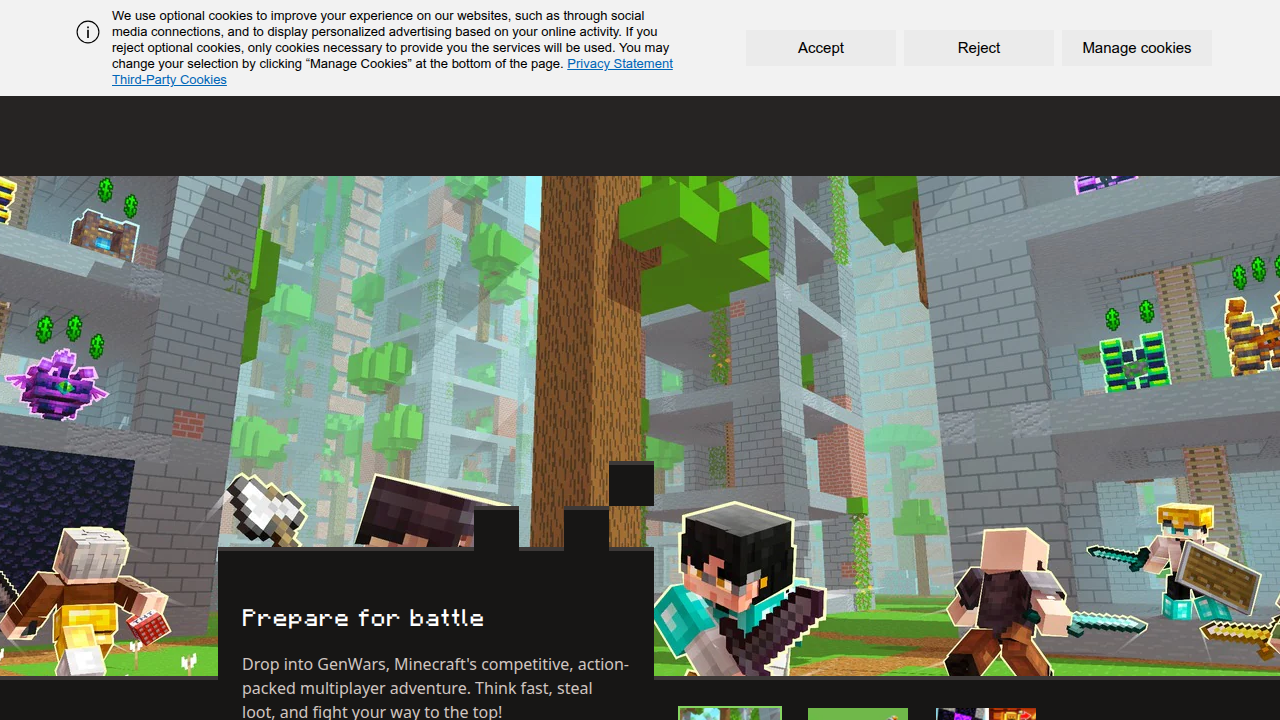
It’s all about placing and breaking blocks to build anything you can imagine. There are no limits to what you can create in this unrestricted game.
* Best for: Team creativity, shared world-building, and simple collaboration. It’s easy to learn, so everyone can jump in and contribute ideas.
* Platform & Setup: Browser-based, no download needed. Just open a link and invite your team to a shared building space.
-
Roblox (Free-to-play Experiences)
- What it is: Roblox is a huge platform where people create and share their own games and virtual worlds. Many experiences on Roblox are free to play and have a sandbox feel, letting you explore, build, and interact in unique ways. It’s a great example of emergent goals, where teams can decide what they want to achieve.
- Best for: Exploring different ideas, collaborative storytelling, and engaging in diverse mini-challenges. It helps teams adapt and try new things. Many experiences are cross-platform games to play with friends, meaning people can play together from different devices.
- Platform & Setup: Available on PC, mobile, and consoles. Requires a free account and a small download.
-
Mindustry (Open-Source)
- What it is: This game mixes tower defense with factory building. You need to gather resources, build defenses, and set up complex production lines to fight enemies. It’s a smart puzzle that your team can solve together.
- Best for: Complex problem-solving, strategic planning, and highly organized collaboration. It’s perfect for teams that like a challenge and enjoy figuring out efficient systems.
- Platform & Setup: Available for PC and mobile (often free on mobile app stores, or free download for PC). It’s open-source, so you can often get it for free directly from its developers.
These options give you a taste of how "sandbox games free" can boost your team’s skills. Whether you’re building a world or defending a base, the shared experience helps everyone grow. If you want more ideas for easy-to-set-up activities, check out these 10 low-prep group games for adults that build real team connection. Need a lighter team idea? A funny shared story can spark conversation without feeling forced, offering a different way for your team to connect and relax.
Now that you know about some great sandbox games you can play for free, let’s talk about how to make these sessions super helpful for your team. Just like any good activity, a little planning goes a long way. This guide will show you how to run a sandbox session that builds teamwork.

Step-by-step facilitation guide: running a sandbox session
Even though these are "unrestricted games" and "sandbox games free" options, having someone guide the fun helps everyone get the most out of it. This person is called a facilitator.
Getting ready: Your preparation checklist
Before your team jumps into one of those "free games to play on computer," here’s what to check:
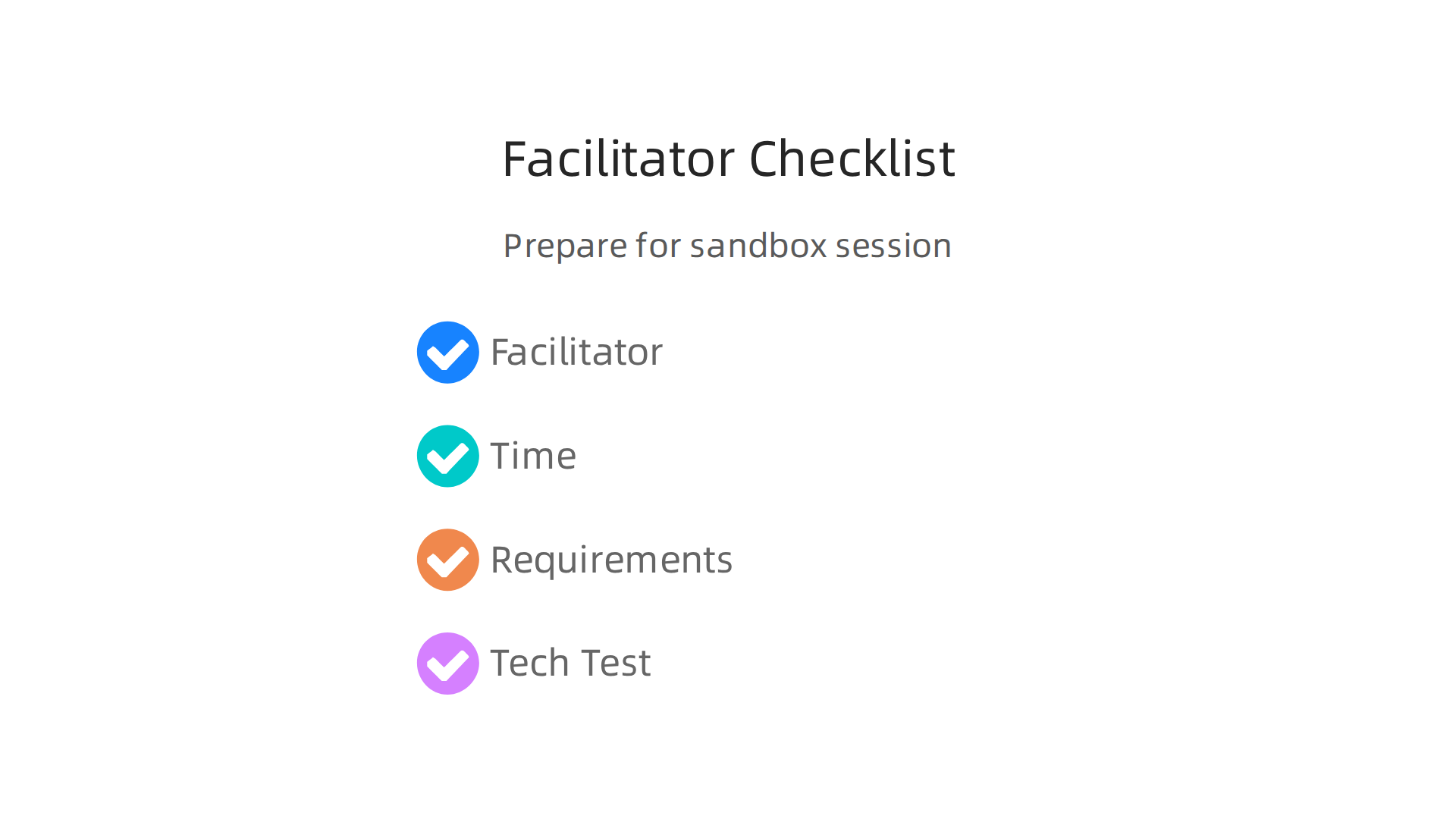
- Who will lead? Pick someone to be the facilitator. Their job is to set the stage, keep things moving, and help the team think about what they learned. Learning how to plan a session well is a key step for any facilitator Creative Facilitation Course 2 Planning + designing effective sessions.
- How much time? Decide on a clear start and end time. This helps everyone focus and makes sure the session fits into busy schedules. Even 30-60 minutes can be enough for a good session.
- What do you need? Make sure everyone has the game ready. If it’s a browser game, send the link beforehand. If it needs a download, let everyone know to install it early. Also, think about how you’ll talk during the game, like using a voice chat program.
- Test your tech: A few minutes before starting, have everyone check their sound, microphone, and game access. No one wants to miss out because of a technical hiccup.
During the game: Smart moves for your facilitator
Once you’re playing, the facilitator’s role changes from planner to guide.
- Set a simple challenge: Don’t just say, "Go play!" Give your team a loose goal. For example, in a building game, it could be "Build a city with at least three different types of buildings" or "Create a machine that does something silly." This gives direction without taking away the freedom of these "types of games."
- Encourage trying new things: Watch for players who are stuck or doing the same thing. The facilitator can gently nudge them to try a different approach or combine ideas with someone else. Remember, it’s about exploration and fun.
- Ask good questions: As the game goes on, the facilitator can ask questions like, "What’s working well here?" or "How could you make that stronger?" This helps teams think about their actions while they play.
- Balance freedom and goals: Sandbox games give a lot of freedom, but for team building, you want some learning to happen too. The facilitator helps strike this balance. They make sure people are having fun, but also gently guide them toward working together and solving the challenge. You can find more tips on how to lead these kinds of sessions effectively in this guide on 5 Tips on Facilitating Creative Sessions!.
- Time for reflection: When the game ends, gather everyone to talk about what happened. This is super important! Ask things like:
- "What was the biggest challenge?"
- "How did we work together to solve it?"
- "What did you learn about your teammates?"
- "What could we do better next time?"
This helps turn the fun game into real lessons about teamwork. Exploring how your team interacts during these activities can provide valuable insights. For more ideas on using open-ended activities to build trust and connection, check out these Free Play Team Building Activities That Build Trust and Connection.
After you’ve had a great time playing and reflecting on your teamwork, it’s time to think about how to make these sessions happen even when your team is spread out. Many teams work from different places in 2026, so having good ways to play "sandbox games free" online is super important.

It means everyone can join the fun, no matter where they are.
Remote-friendly setups and tools for virtual sandbox play
Running virtual "unrestricted games" can be just as fun and helpful as playing together in person. You just need to know the right tools and tricks.
Easy ways to play online
First, think about the games themselves. Many "free games to play on computer" are made to be played right in your internet browser.
- Browser-based games: These are super easy because no one has to download anything special. You just click a link, and you’re in! This is great for teams with different types of computers or slower internet. There are many fun options to explore, including some listed as the 7 Best Free Browser Games to Play Right Now (2026) and even Top 75 Free Browser Games Online To Play In 2026!.
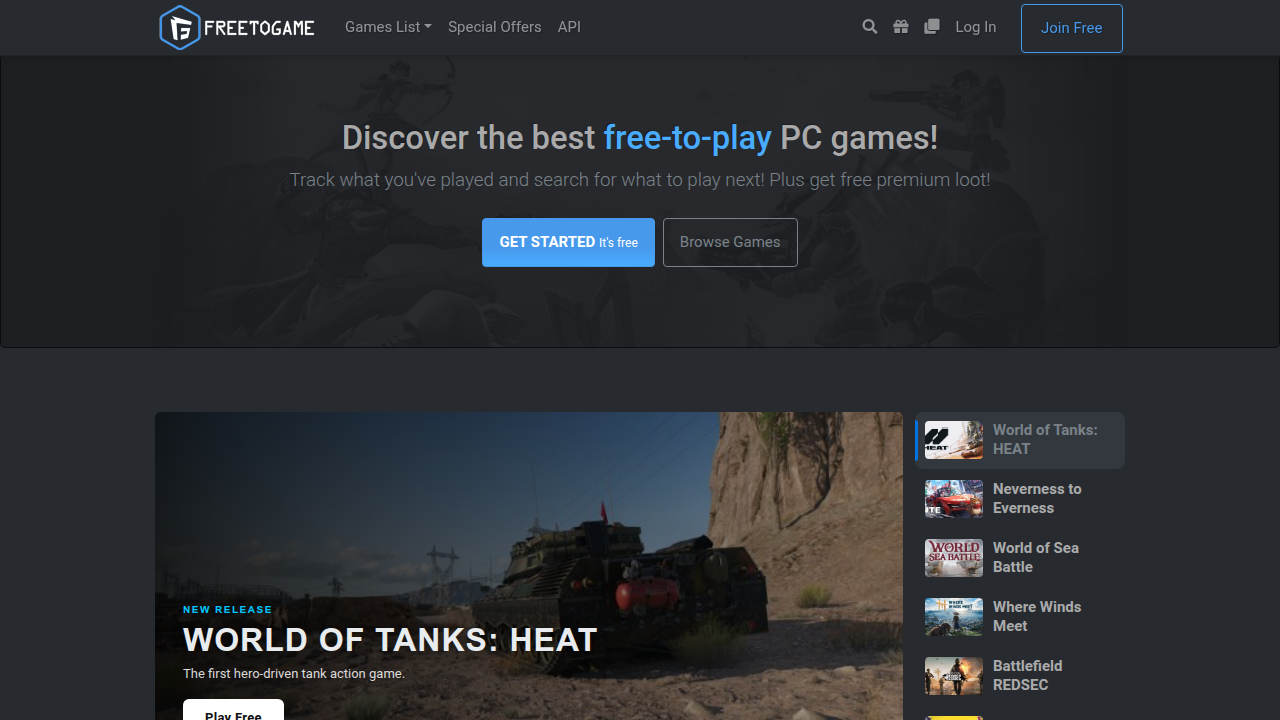
You can find plenty of multiplayer "sandbox games free" with just a quick search.
- Shared screens: If your chosen game isn’t browser-based, one person can share their screen using a video call tool. Everyone else watches and tells them what to do. This works well for "types of games" where you don’t need everyone to control their own character, but rather collaborate on ideas.
- Collaborative editors: For "writing games" or planning within a sandbox world, tools like online whiteboards or shared document editors are fantastic. Everyone can type, draw, or move things around at the same time, making it truly a team effort.
- Low-bandwidth adaptations: If some team members have slow internet, stick to simple browser games or games with fewer fancy graphics. Shared screens can also be adjusted to lower quality to save bandwidth.
Smooth sailing: Technical tips for your session
Making sure your virtual sandbox session goes smoothly needs a little technical help.
- Recording the fun: Some video call tools let you record your session. This can be great for teams to look back at later. They can see how they solved problems or remember funny moments.
- Breakout rooms for small groups: If you have a big team, use breakout rooms in your video call app. You can split into smaller groups to work on different parts of a bigger challenge within the game, then come back together to share what you built.
- Sharing files easily: Use a simple file-sharing tool if you need to pass around game saves, screenshots of creations, or special instructions. This keeps everyone on the same page.
- Accessibility for all: Always think about if everyone can join in. Make sure the game and tools are easy to use for everyone, including those who might need special computer settings or help. Choosing "cross-platform games" can also make it easier for people using different devices to play together 29 Best Cross-Platform Games to Play With Friends in 2026.
With these tips, your remote team can enjoy playing different "types of games" and build stronger connections. Remember, the goal is always to have fun and learn together, no matter the distance. Finding the right blend of activities, whether in-person or virtual, is key to improving your team’s overall connection. Consider exploring a variety of team building games that actually work for in person virtual and hybrid teams to keep your sessions fresh and impactful.
After enjoying your team’s creative play, the next important step is to understand what you gained from it. It’s not just about having fun, but also about learning and growing together. This part helps you see how those games and activities turn into real benefits for your team.
Measuring outcomes and debriefing: from ideas to insight
Knowing if your "sandbox games free" sessions actually help your team is key. You don’t need a big, fancy study to see good results. There are simple ways to measure what you learned and how you can use it.
Simple ways to see what changed
You can look for changes in two main ways: by watching and by asking.
- Watching for improvements: As you play "unrestricted games," pay attention to how your team talks and works together. Do they share ideas more easily? Are they better at solving problems? Research shows that creative play can really boost social, behavioral, and thinking skills. For example, improved creative play can enhance social, behavioral, and cognitive outcomes, especially when combined with other activities, as noted in a study on play interventions from 2026 Effects of improved creative play interventions on social …. This kind of observation is a simple way to see the good impact of your "types of games."
- Quick check-ins: After a session, you can do a fast survey. Ask everyone to rate how much they enjoyed the game or how well they felt they communicated. Simple questions like "Did this game help us think of new ideas?" or "Do you feel closer to your teammates now?" can give you quick insights.
Talking about what you learned
The most important part after playing "free games to play on computer" is talking about it. This is called a debrief. It’s where you turn fun into real learning.
Here are some questions to guide your team’s debrief:
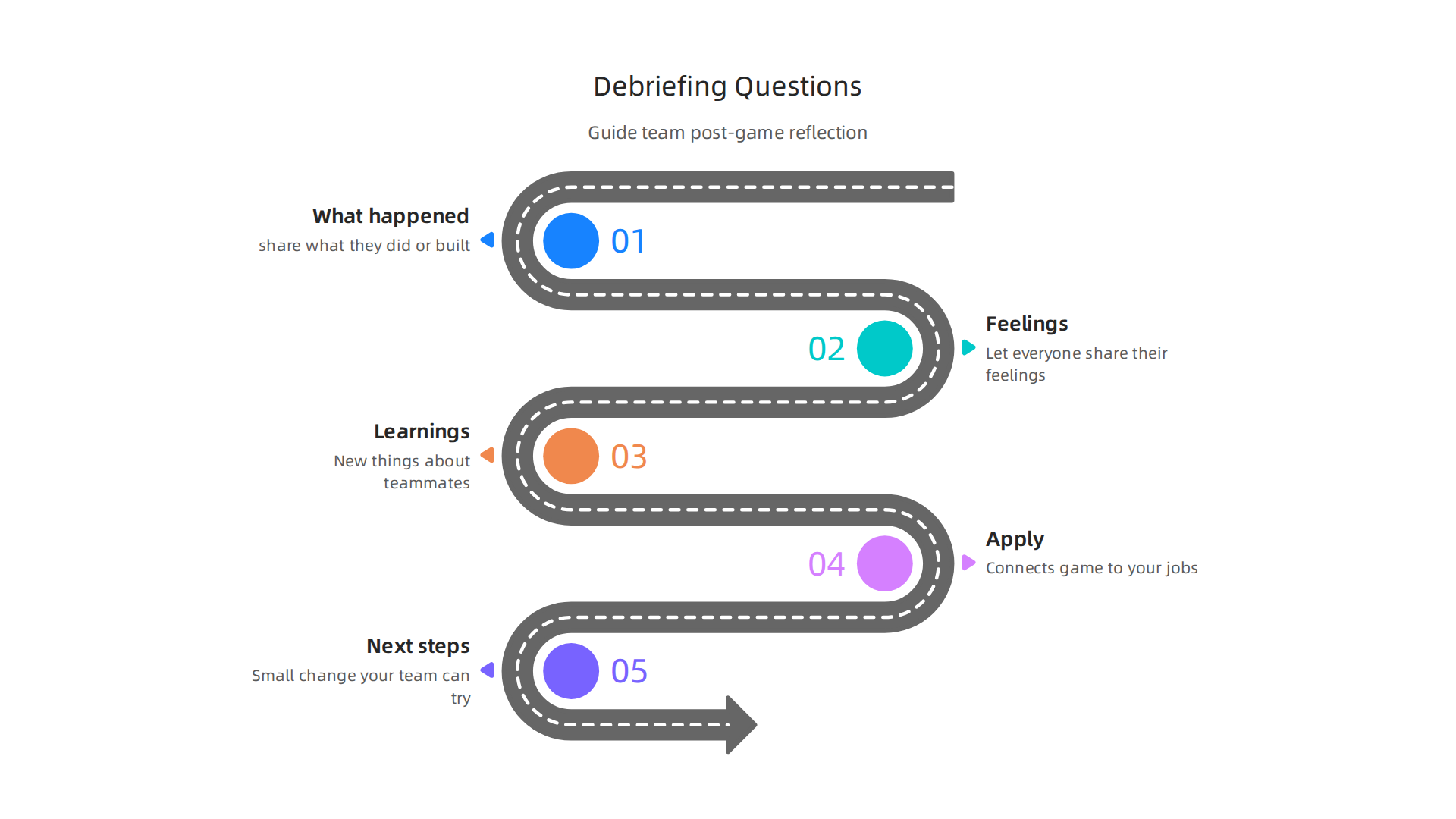
- What happened? Ask people to share what they did or built in the game. What were some interesting moments?
- How did you feel? Let everyone share their feelings. Did they feel excited, challenged, or frustrated? Why?
- What did you learn? This is crucial. What new things did you realize about your teammates or about how your team works? Did you discover new ways to approach problems in a "writing game" or any other type of sandbox play?
- How can we use this at work? This connects the game to your actual jobs. For example, if you found a great way to solve a puzzle in a game, how can that same thinking help with a work project?
- What’s next? Based on what you learned, what’s one small thing your team can try differently this week?
Having open conversations like these helps your team really understand the value of playing together. It helps them build stronger Team Dynamics What They Really Mean and How to Improve Them and apply those lessons to their everyday tasks.
If you’re looking for even more ways to keep your team engaged and boost collaboration, remember that even a simple shared laugh can do wonders. Need a Lighter Team Idea? A funny shared story can spark conversation without feeling forced. Need a Lighter Team Idea?
After you understand what your team learned from playing together, the next step is to make sure your games fit your specific team. Not all teams are the same. They can be big or small, work in different ways, or have members with special skills. The good news is that sandbox games are very flexible. You can change them to work for almost any group.
Adapting sandbox games for different team sizes, roles, and constraints
Think of "sandbox games free" as a starting point. You can easily tweak them to fit your team perfectly. This means making sure everyone feels included and gets the most out of the experience.
Making games fit your team’s size and setup
- For small teams: If you have just a few people, you might choose games that need everyone to talk and work closely. Less complex activities can be great for building strong bonds.
- For large groups: With many people, you might split into smaller teams for games. This lets everyone take part without feeling lost in a crowd. Then, the smaller teams can share their ideas with the bigger group later. Lots of team-building activities can help with collaboration, no matter the size of your team. You can find many options for team activities to boost collaboration in 2026 Team building activities for better collaboration in 2026.
- For cross-functional teams: These teams have people from different job areas, like designers, writers, and engineers. Choose "unrestricted games" that need different kinds of thinking. A design challenge, for instance, lets designers draw, writers explain, and engineers figure out how things work. This helps everyone see how their unique skills fit together.
- One-off fun vs. recurring sessions: If it’s a one-time fun event, you might pick easy, joyful "types of games." If you plan to play regularly, choose games that build on each other, helping your team learn new things over time. This makes the learning stick.
Thinking about different roles and personalities
It’s important that every team member feels comfortable and valued during your "free games to play on computer" sessions.
- For designers and creative thinkers: Give them room to explore and create. "Writing games" or building challenges are perfect for people who love to invent.
- For moderators: Sometimes, a team member can help guide the game, making sure everyone gets a turn to speak and that the rules are clear. This helps keep things running smoothly.
- For quiet contributors: Some people might be shy at first. Use games that let them show their ideas without having to speak up too much. For example, a drawing game or a collaborative writing task can give everyone a voice.
- For mixed-skill groups: Make sure the games don’t favor one skill too much. The best games let people use their strengths while also trying new things. This helps build a team where everyone learns from each other.
By thinking about your team’s unique makeup, you can make your sandbox games even more powerful. For ideas on games that work well for all kinds of teams, including virtual and hybrid ones, check out some proven methods Team Building Games That Actually Work for In-Person Virtual and Hybrid Teams.
If you want another way to bring your team together and spark some joy, consider a shared reading experience. Use a clever sci-fi comedy as a fun shared read. Give Your Team a Laugh and enjoy the adventure.
After making sure your games fit your team, you also need to think about the practical parts of using them. This means looking at what "free" really means, making sure everyone can play, and understanding any rules about using the games.
Legal, accessibility, and cost realities of ‘free’ sandbox games
When you look for "sandbox games free," it’s good to know that "free" can mean different things. It might not always mean zero cost or no rules at all. Let’s break it down.
What ‘free’ really means and how licenses work
Many games are called "free," but they often fall into a few groups:
- Free-to-Play: These games cost nothing to start playing. But they might have extra things you can buy inside the game, like special items or clothes for your characters. These are often called "freemium" games.
- Open-Source Games: These are games where the code is shared openly. This usually means you can use, change, and share the game without paying. Many open-source projects come with special rules called licenses. These licenses tell you what you can and can’t do with the software, especially if you’re using it for work. For example, some licenses let you use the software for any reason, even for making money, without needing to share your changes. You can learn more about these rules in an explanation of various Open Source Licenses: Definition, Types, and Comparison.

- Truly Free: These are games or activities that have no cost and no hidden fees, and usually very simple rules for use. These are often things you make up yourself or simple "unrestricted games" that don’t need any special software.
For team building at work, it’s really important to check the license if you’re using "free games to play on computer" that someone else made. You want to be sure you’re allowed to use them in a company setting. Some licenses might require you to share any changes you make, while others are more relaxed. A quick check can save you trouble later. Many open-source licenses are out there, each with its own set of rules, as explained in articles like the Top Open Source Licenses Explained.
Making sure games are for everyone: Accessibility and inclusion
No matter if you choose "writing games" or active ones, it’s super important that everyone on your team can join in comfortably. Think about these points:
- Physical Needs: Can everyone move around easily if the game requires it? If not, can you change the game so they can participate from where they are?
- Digital Access: If it’s a computer game, does everyone have the right computer, internet, and software? Are there people with visual impairments who need screen readers, or those with hearing impairments who need captions?
- Cognitive Comfort: Are the rules clear and easy to understand? Are there team members who might get overwhelmed by too much information or too many choices?
- Language: Is the game or activity available in different languages if your team is diverse?
- Cultural Backgrounds: Do the "types of games" you pick respect everyone’s background? Avoid games that might be confusing or uncomfortable for some.
The goal is to create a safe and fun space where every team member feels included and valued. This helps build real trust and connection. For more ideas on team activities that truly bring people together, check out some Free Play Team Building Activities That Build Trust and Connection.
Summary
This article explains how sandbox (open-ended) games can strengthen teamwork by boosting communication, creativity, onboarding and remote connection with low cost and simple setup. It defines sandbox play, shows why these activities work (exploration, low-stakes experimentation, shared world-building and emergent goals), and lists accessible free or cheap game options like Minecraft Classic, Roblox and Mindustry. You’ll get a practical facilitation guide—how to prepare, lead, set loose goals, ask good questions and run debriefs—and remote-friendly tips (browser games, screen sharing, breakout rooms). The piece also covers measuring outcomes with observation and quick surveys, adapting sessions for different team sizes and personalities, and checking licenses and accessibility so everyone can join. After reading, you’ll know what to run, how to lead it, how to include remote participants, and how to turn play into real team improvements.