12 Teamwork Games for Kids That Build Cooperation and Trust
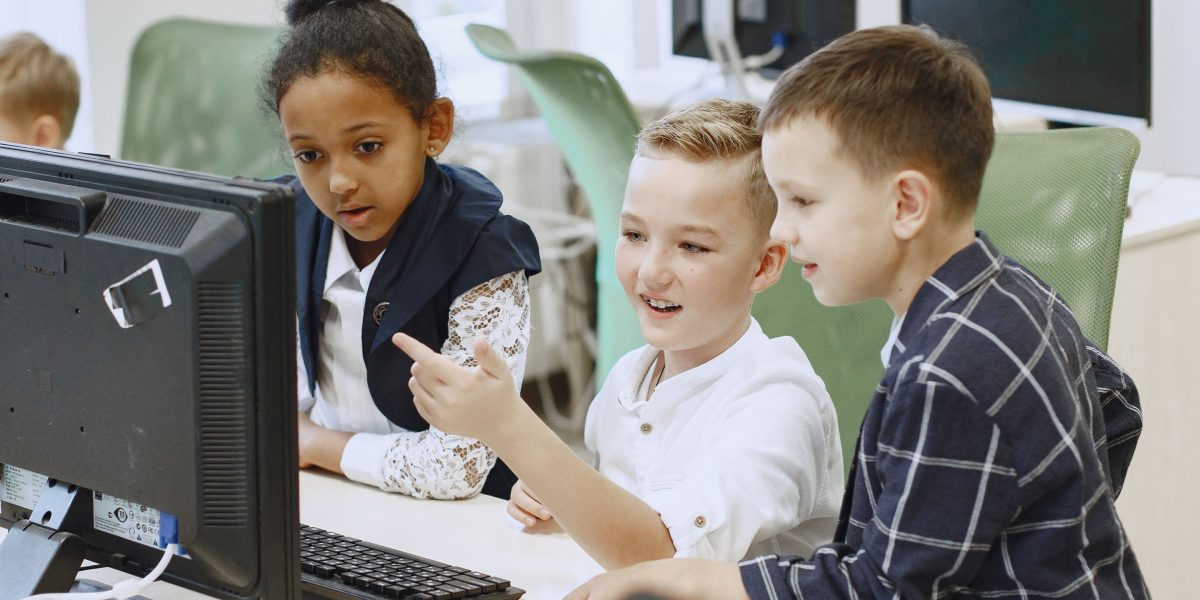
You probably already know that getting kids to work together can feel like herding cats. But here is the truth: learning to cooperate is one of the most important life skills a child can develop. The good news is that the best way to teach it does not involve lectures or worksheets. It happens through play.
Research from 2024 shows that game-based learning has a strong positive effect on children’s social skills, emotional growth, and motivation. When kids play together in a structured way, they naturally practice communication, problem solving, and empathy.

These are the exact abilities they need to succeed in school and later in life.
That is where teamwork games for kids come in. Unlike competitive games that can leave some children feeling left out, cooperative games focus on reaching a goal together. Everyone wins or everyone learns. This approach builds trust and makes kids feel like part of something bigger than themselves.
In this article, we will share 12 proven team building activities for youth that are simple to set up, cost almost nothing, and work for a wide range of ages. Whether you are a teacher, a coach, a camp counselor, or a parent, you will find ideas that actually get kids working as a team instead of against each other.
If you are looking for more structured ideas for older groups, you might also find these team building games for various settings helpful.

Let’s jump right into the games.
1. Human Knot – Untangling Communication
Kids stand in a circle, reach across, and grab random hands. Suddenly everyone is tangled together. The goal? Untie the knot without letting go.
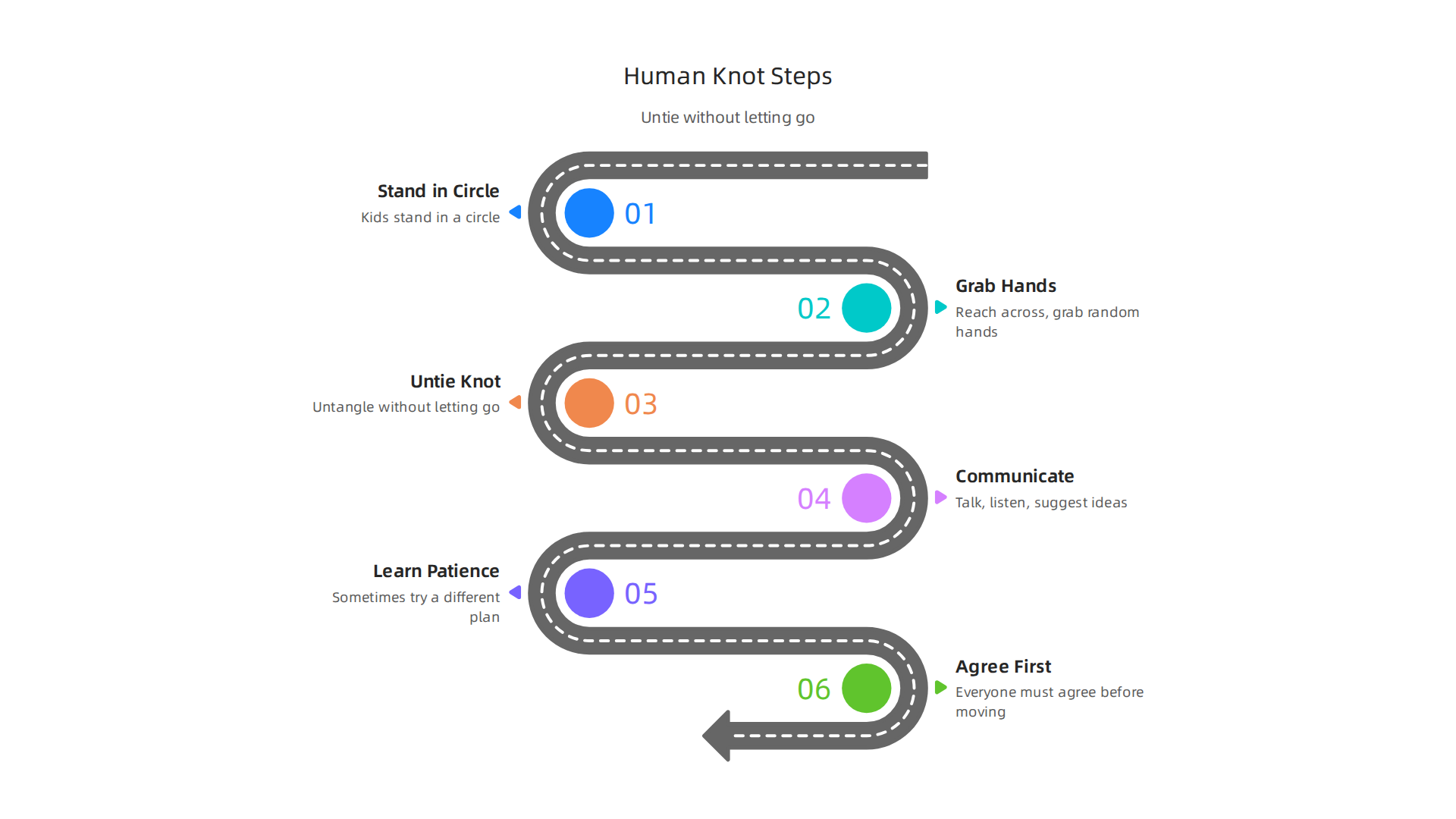
That is the Human Knot. It sounds simple, but it teaches huge lessons. Kids have to talk to each other. They need to listen, suggest ideas, and try things that might not work at first. This is one of the best communication games for kids you can run with zero supplies.
The magic happens when one child says, "Duck under my arm" and another says, "Wait, step over here." They learn patience. They learn that sometimes you have to try a different plan. And they learn that everyone has to agree before moving.
This activity works best with 8 to 12 kids aged 6 and up. If you have a larger group, split into smaller circles. Let each group race against themselves, not each other.
For more ways to build those same skills, check out these free play team building activities that focus on trust and connection.
And if you want a lighter way to spark conversation after the game, Need a Lighter Team Idea? can help get the laughs started without feeling forced.
2. Back-to-Back Drawing – Precision Under Pressure
Picture this. Two kids sit back to back. One holds a simple picture of a house or a star. The other holds a blank paper and a marker. The first child describes the drawing step by step. The second child tries to draw it without ever seeing the original.
Sounds easy, right? It is not. You quickly learn that "draw a square" can mean a hundred different things. Where is the square? How big? Which side? This game shows how hard it is to give clear instructions and how important it is to ask good questions.
Back-to-Back Drawing is one of those simple but powerful communication games and activities for kids that build real listening skills. The kid who describes learns to be precise. The kid who draws learns to ask for clarification. Together they practice the kind of teamwork that solves problems without guessing.
Try it with pairs of kids ages 7 and up. Make the first drawing easy, then get more complex. You can even let them switch roles so both sides get the practice.
For more ideas that strengthen how teams talk and listen, check out these team building games that actually work for different group settings.
3. Group Storytelling – Creativity in Concert
Here is another great teamwork game for kids. Gather a group in a circle. One child starts a story with one sentence. The next child adds another sentence. Keep going until you build a complete tale together.
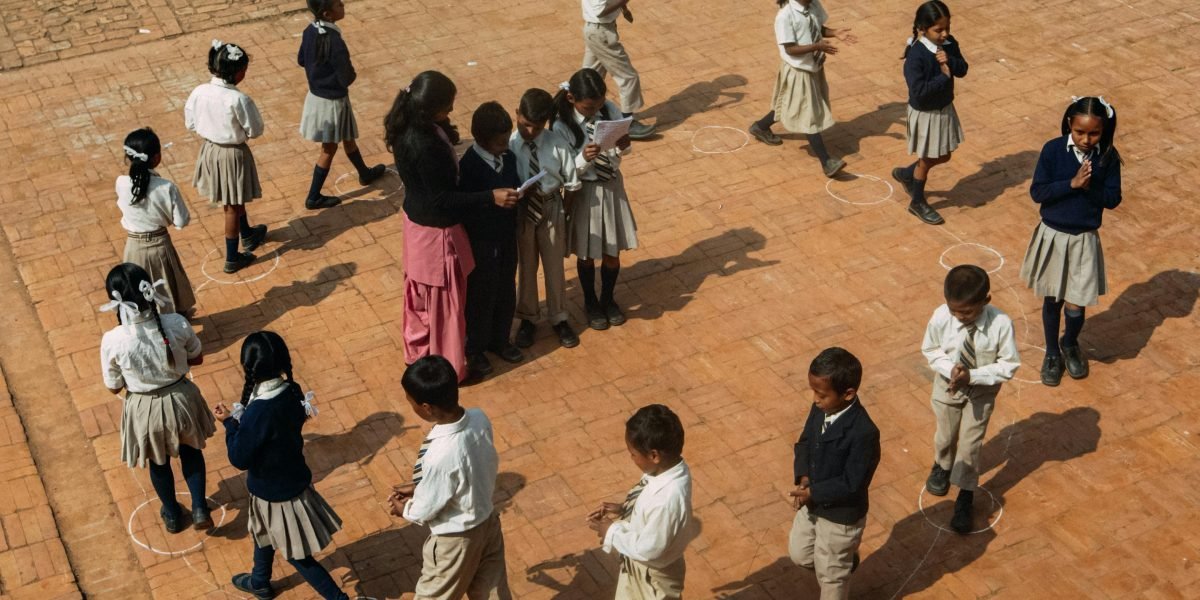
Every kid adds a piece, so the story belongs to everyone.
This game teaches kids to listen carefully and build on each other’s ideas. They must take turns and think creatively. It is a wonderful team building activity for youth that makes everyone feel included and valued. No one can check out, because the story keeps moving.
For older kids ages 8 and up, you can add prompts or specific genres. Try a mystery story or a funny adventure. The game gets harder and more fun as you go. According to Lingokids, these types of storytelling games are part of a set of games that foster communication skills because they require active listening and turn-taking.
Want more playful ways to build connection? Explore these free-play team-building activities that build trust and connection to keep the momentum going after your storytelling session.
And here is a fun bonus. After creating stories together, teams often enjoy sharing a laugh. Consider using a clever sci-fi comedy as a fun shared read for your group to enjoy together. It turns a good game into a lasting memory.
4. Escape Room Challenge – Decode and Deliver
Now let’s turn up the pressure a little (in a good way). An escape room challenge is one of the most exciting teamwork games for kids ages 9 and up. The goal is simple. Your team works together to solve a series of puzzles and "escape" before time runs out.
Each puzzle requires different skills. One kid might crack a code. Another might find a hidden clue. Everyone has to talk and share what they find.
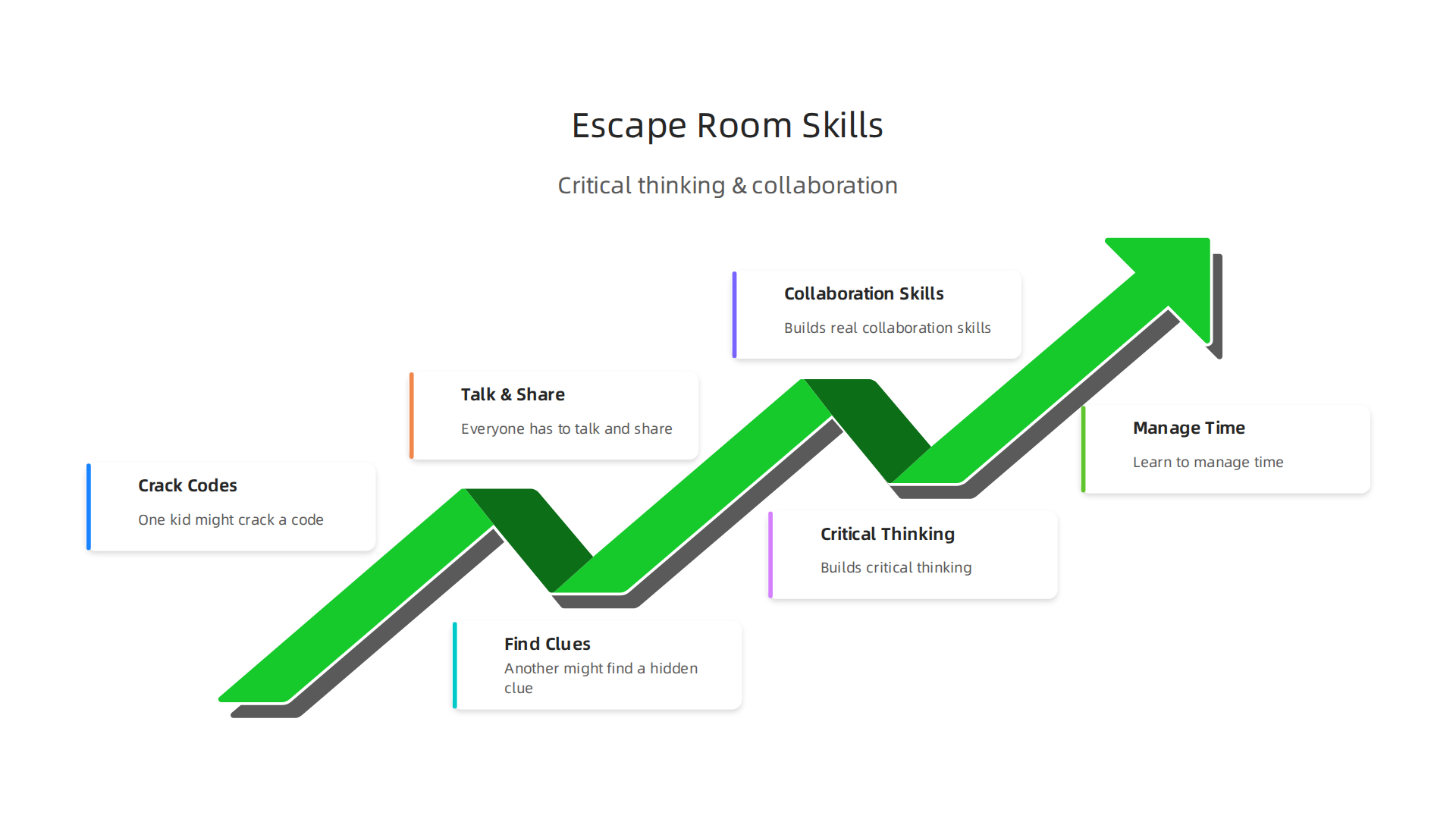
That builds critical thinking and real collaboration skills. It also teaches kids to manage their time under pressure.
You do not need a fancy setup. You can create your own escape room at home or in class using low-cost materials like locks, boxes, and printed clues. Or try a digital version with online puzzle tools. For more ideas, check out these 35 Best Team-Building Games and Activities for Kids.
If your group loves this kind of challenge, you can also try a team-building scavenger hunt. It has the same mix of mystery and teamwork but in a more open-ended format that lets kids explore and think on their feet.
5. Marshmallow Challenge – Design, Build, Succeed
If your group loved the escape room, they will really enjoy the Marshmallow Challenge. This is one of the most popular teamwork games for kids ages 8 and up. The task sounds simple. Each team gets 20 sticks of spaghetti, one yard of tape, one yard of string, and one marshmallow. They must build the tallest free-standing tower they can with the marshmallow sitting on top.
Here is the twist. Most teams rush to build. But the teams that succeed are the ones that plan first, test their ideas, and then improve them. That is called iterative thinking. Kids learn to prototype quickly and fix what does not work. They also have to communicate clearly and share tasks.
This challenge is used in classrooms all over the world. It teaches problem-solving and coordination in a fun, hands-on way. For more structured ideas, check out these problem-solving activities for kids that build confidence through trial and error.
If you want to keep the momentum going, try more team-building games that actually work for different settings. This challenge is easy to set up with common supplies and works great for a rainy afternoon or a classroom brain break.
6. Minefield – Trust Your Partner
Now here is a game that really tests trust. One child puts on a blindfold. The other child stands nearby and must guide them through a "minefield" of objects like pillows, toys, or cones. The blindfolded kid can only listen. The guide can only use words. If the blindfolded kid steps on a "mine," they go back to the start.
This sounds simple, but it is hard. Kids learn to give clear, calm directions. They also learn to trust what they hear even when they cannot see. The guide has to speak in a way the other person understands. That builds leadership skills too.
You can play Minefield indoors or outdoors. It works best for kids ages 7 and up. All you need is a blindfold and some scattered items. These kinds of games are part of a wider set of activities that build social skills. According to the 35 Best Team-Building Games and Activities for Kids, trust exercises like this one help kids learn to rely on each other.

If you want more trust-building ideas, check out free play team building activities that build trust and connection. After a serious game like Minefield, you might want something lighter. Need a Lighter Team Idea? A funny shared story can spark conversation without feeling forced.
7. Trust Fall – Catch and Be Caught
Trust Fall takes the trust game to a deeper level. One child stands with their back to a group of teammates, closes their eyes, and falls backward. The team must catch them before they hit the ground. It sounds simple, but it requires total trust.
This game builds absolute reliance. The person falling has to believe their team will be there. The catchers must stay focused and work together. It creates a strong sense of group interdependence. Everyone learns that their safety depends on the team, and the team’s success depends on everyone paying attention.
Safety is key. Trust Fall works best for kids ages 10 and up. Have at least three catchers standing close together. Use a soft surface like a mat or grass. Never force a child to fall if they are scared. Build up slowly with small falls first.
Healthline lists the trust fall as one of the 10 Trust-Building Exercises for Kids and Teens. It helps kids learn to rely on others and build confidence in their team.
If you want more trust-building ideas, try these team building games for in-person, virtual, and hybrid teams. They all help build the same kind of connection.
8. Blindfold Obstacle Course – Navigate Together
The Blindfold Obstacle Course takes trust to the next level. One child wears a blindfold while teammates guide them through a course using only their voices. No touching allowed. Just words.
This game builds two key skills. The guide must give clear, specific directions. "Step left. Duck down. Stop." Vague instructions cause mistakes fast. The blindfolded child must practice patience and listen closely. Both sides learn that good teamwork depends on good communication.
You can set this up almost anywhere. Use chairs, pillows, boxes, or cones as obstacles. For kids ages 8 and up, make the path more complex with multiple turns. Work indoors or outdoors. Always clear the area of anything sharp or dangerous.
Naboo highlights this game as a trust-based team building activity that teaches clear communication and cooperation. It is one of the best teamwork games for kids because it directly connects listening with action.
If your group loves this challenge, try these 10 little games for team building. They all build the same kind of focus and connection.
9. Helium Stick – The Impossible Task
Here is a game that sounds simple but drives kids crazy in a good way. The Helium Stick is a light pole or dowel. The group lines up on both sides and extends their index fingers. The stick rests on all those fingers. The goal? Lower it to the ground.
That is it. But here is the trick. The stick almost always floats up instead of down. Kids laugh and groan as they try to coordinate without dropping a single finger off the stick. They quickly learn that everyone must move together at the exact same time. One person rushing ruins the whole process.
This classic challenge is great for ages 9 and up. It reveals how non-verbal coordination and collective focus can make or break a team. Healthline includes this game in their list of Trust-Building Exercises for Kids and Teens because it forces a group to tune into each other’s movements without talking.

If your group finds the Helium Stick frustratingly fun, try other team building games that actually work for a fresh challenge.
And if everyone needs a laugh after that impossible task, check out Need a Lighter Team Idea? for a funny shared story that can spark conversation without feeling forced.
10. Capture the Flag – Strategy on the Run
Alright, let’s wrap up this list of teamwork games for kids with a true classic. You probably remember Capture the Flag from summer camp or gym class.
Two teams split up on a large field. Each team hides a flag somewhere on their side. The goal? Run into enemy territory, grab their flag, and make it back without getting tagged.
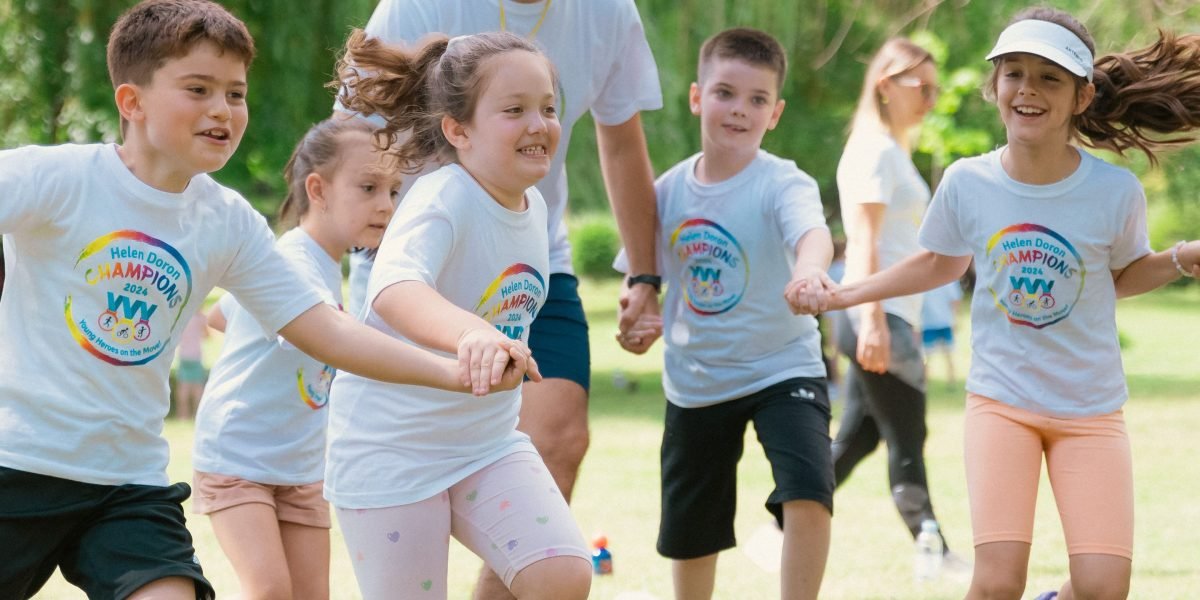
It sounds simple, but it forces serious strategic planning. Kids have to assign roles right away. Who are the fast runners on offense? Who guards your own flag on defense? Who creates a distraction? This kind of role assignment is what makes it a powerful team building activity for youth groups.
Plus, it gets everyone moving outdoors. The physical side of a game like this helps kids think on their feet and communicate under pressure. Playworld lists it as one of the top Playground Games to Build Teamwork because it naturally mixes physical effort with group coordination.
Spending time outside on a shared goal also boosts social skills and focus. According to the Benefits of the Outdoors on Children’s Mental Health, active outdoor play helps kids feel calmer and work better together.
If your group loves the chase and strategy of Capture the Flag, they will also enjoy a structured team building scavenger hunt that challenges them to solve problems together.
This is the perfect game to end a long day of bonding, and it works best for ages 8 and up.
11. Relay Races – Coordination and Cheer
Relay races are one of those classic teamwork games for kids that never feel old. Think egg-and-spoon races, three-legged races, or sack races. Each team member completes one leg of the race, then hands off to the next person.
The real magic happens in the cheering. Kids naturally start rooting for their teammates. They shout encouragement. They clap and laugh together. That kind of supportive energy builds real team spirit fast.
Relay races also sharpen motor skills. Balancing an egg on a spoon takes steady hands. Coordinating your legs with a partner in a three-legged race takes focus and trust. And the best part is you can adapt these games for any age or space. A small backyard works just as well as a big field.
Playing outside this way helps kids in more than just physical ways. According to research on the benefits of outdoor play for kids, active outdoor games lower stress and build social skills. That makes relay races a smart choice for any team building activity for youth groups.
If you want more ideas that get kids moving and working together, check out these other team building games that actually work for both fun and real connection.
12. Virtual Scavenger Hunt – Teamwork from a Distance
Not all teamwork games for kids happen outside. Sometimes you need an activity that works across screens. That is where a virtual scavenger hunt comes in.
You call your group on a video platform. Then you give clues for items they need to find around their own homes. Things like "find something that starts with the letter B" or "bring back something blue."
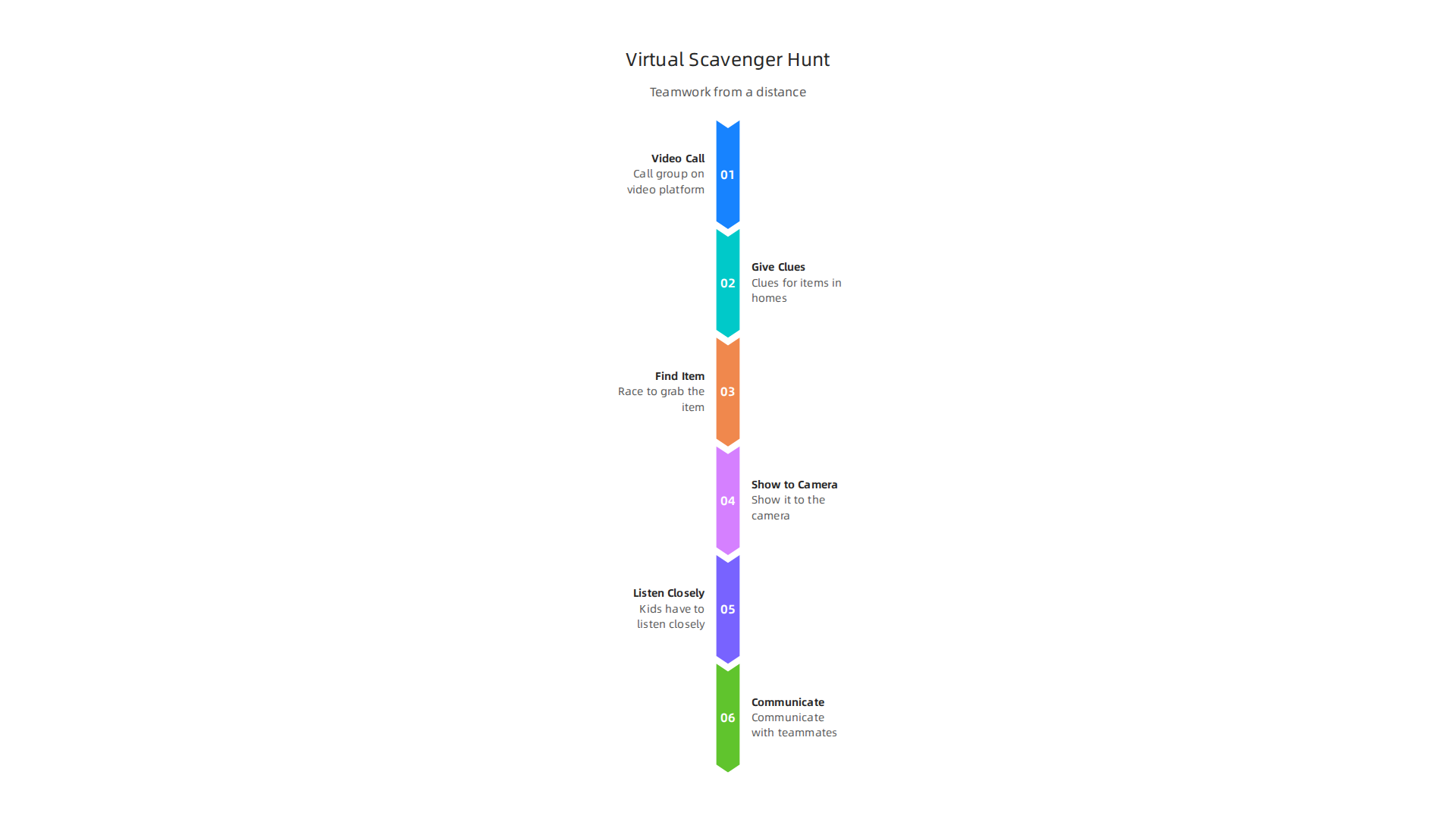
Each team member races to grab the item and show it to the camera.
This game builds real collaboration. Kids have to listen closely to the clues. They communicate with teammates about what to grab. And they get creative when the item is not obvious. For example, if the clue is "something that makes you laugh," one kid might grab a funny hat while another finds a goofy book. The variety keeps everyone engaged.
Virtual scavenger hunts work best for ages 7 and up. You just need basic tech like a phone or laptop and an adult to supervise the call. It is a perfect choice for remote learning groups, virtual playdates, or hybrid teams.
Games like this show how team building activities for youth can happen anywhere. Even from your living room.
If you want a step-by-step guide for setting one up, check out how to run a team building scavenger hunt that builds real connection and problem solving skills. It walks you through everything from clue ideas to timing.
And once your team finishes the hunt and still wants more shared fun, consider giving your team a laugh with a clever sci-fi comedy they can read and enjoy together.
Summary
This article shows how cooperative, game-based activities teach kids teamwork, communication, trust, and problem-solving without lectures or worksheets. Drawing on recent research that highlights game-based learning benefits, it presents 12 low-cost, easy-to-run activities—like Human Knot, Marshmallow Challenge, Minefield, and Virtual Scavenger Hunt—each with suggested ages, goals, and setup notes. You’ll learn which games build specific skills, how to adapt activities for different ages or remote groups, and practical safety and debriefing tips to turn play into learning. The ideas work for teachers, coaches, parents, and counselors who want simple, effective ways to get kids working together and thinking iteratively. After reading, you’ll be able to pick, run, and modify games that create connection and real teamwork growth.