Presentation Skills for Teams Improve Collaboration and Cut Costs

Have you ever sat through a team presentation that felt like a total waste of time? You are not alone. Poor communication at work is costing teams a fortune. Studies show that companies lose between $9,284 and over $30,000 per employee each year because of it. Source.
A big part of that cost comes from weak presentation skills. When someone on your team struggles to share ideas clearly, everyone pays the price. Misunderstandings pop up. People get bored and stop paying attention. Projects get delayed.
You might be surprised to learn how common this is. In fact, 26% of workers say that communication and presentation skills are exactly what they need to work on most. Source. Public speaking is a top fear for many people. Source.
But here is the good news. These skills are not something you are just born with. You can learn them. Improving your presentation skills is a form of social skills training. It helps you in negotiation courses where persuasion is key. And it makes you a true team player, which is just another word for team player done right in any organization.
This guide is here to help your whole team get better. We will cover simple strategies you can use right away. You will learn how to structure a message, deliver it with confidence, and keep your audience hooked from start to finish.
Strong communication is a core part of healthy team dynamics. It is one of the top transferable skills employers look for today.
Let us start by looking at the real cost of ignoring this problem and why investing in these skills pays off for everyone.
The Link Between Presentation Skills and Team Collaboration
So how exactly do presentation skills affect the way your team works together? The connection is stronger than you might think.
When someone on your team stands up to share an idea, they are not just giving a talk. They are either moving the team forward or holding it back. A clear, well-structured presentation cuts through the noise. It helps everyone understand the goal faster. That means fewer follow-up meetings, less confusion, and quicker decisions.
Research shows that only 61% of employees believe their leaders communicate clearly, even though 75% of leaders think they do a great job. Source.
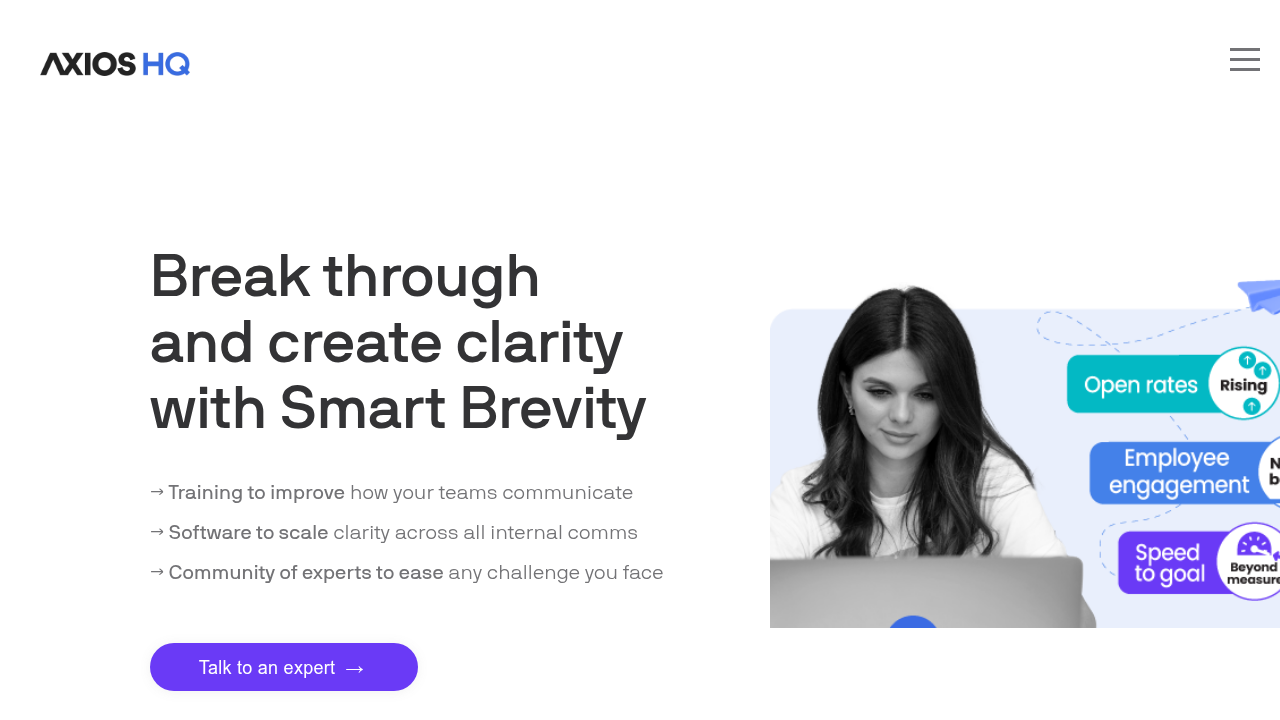
That gap is a big problem. When your presentation skills are weak, your team pays the price with wasted time and missed opportunities.
Here is what happens when one person on the team sharpens their presentation skills.
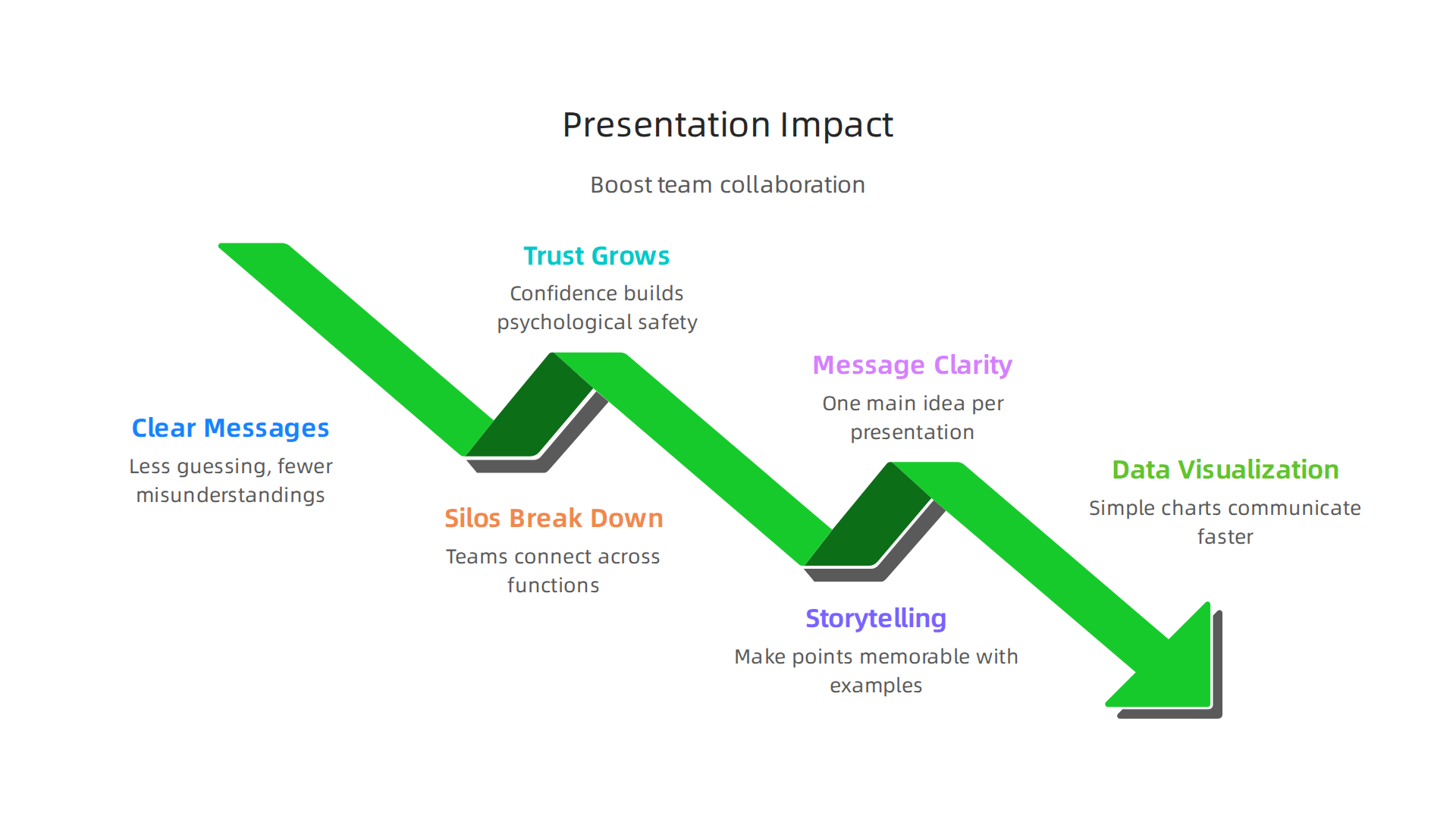
Miscommunication drops fast. A clear message leaves little room for guessing. Instead of people walking away with different ideas about what was said, everyone gets the same message. This is a core part of healthy team dynamics. When your team communicates well, projects move faster and mistakes happen less often.
Trust and psychological safety grow. Have you ever watched someone struggle through a presentation? It makes everyone uncomfortable. But when a teammate delivers a confident, honest update, it builds trust. People feel safe to ask questions and share their own ideas. Studies show that only 20% of employees worldwide feel engaged at work. Source. Strong communication from team leaders can change that number.
Silos break down. Poor presentation habits keep information hidden inside departments. Maybe someone gives a confusing update, or they skip the details that other teams need. Over time, this creates walls between teams. People stop sharing. Morale drops. But great presenters bridge those gaps. They make sure everyone has what they need to do their best work.
Think about it this way. Good presentation skills are a form of social skills training that helps the whole group succeed. They are also a key part of negotiation courses where you learn to persuade and align people. And when everyone on the team can present well, you might say that collaboration becomes another word for team player. Everyone pulls in the same direction.
The research backs this up. Employers today rank strong communication as one of the most important transferable skills you can have. Teams that communicate well simply perform better.
So how do you start building these skills across your team? The first step is simple. Make practice a regular part of your routine. Run short, low-pressure practice sessions. Give honest feedback. Celebrate small wins.
And here is something fun you can try. Give Your Team a Laugh by sharing a clever sci-fi comedy as a fun group read. It sounds silly, but shared laughter builds connection. It opens people up. And when your team feels connected, they communicate better. Try it and watch the difference it makes. Use a clever sci-fi comedy as a fun shared read.
Essential Presentation Skills for Effective Team Communication
We have talked about why presentation skills matter for your team. Now let us get practical. What specific skills actually make a difference in how your team communicates and works together?
Two foundational skills stand out. First, you need clarity of message and logical structure. Second, you must master storytelling and data visualization.
When your team has these two things down, everything else gets easier.
Clarity and Structure Come First
Here is a simple truth. If your team cannot follow your presentation, they cannot act on it either. That is why clarity of message is the most important skill you can build.
Start with one main idea per presentation. What is the one thing you want everyone to remember? Build everything else around that. Use a simple structure like problem, solution, next steps. It sounds basic, but it works.
One expert explains that clarity improves when presenters focus on explaining ideas instead of just reading slides. Your slides should support you, not replace you. LearnExperts.

When you follow this rule, your team gets the message the first time. They do not need to ask "what did that mean?" later.
Make logical structure your friend. Open with context. Share the core idea. Support it with evidence. Close with a clear call to action. This takes practice, but it is worth it. A well-structured presentation cuts follow-up time in half.
Storytelling and Data Visualization Make It Stick
Facts alone do not move people. Stories do. And data without visuals gets forgotten.
Good presentation skills include knowing when to tell a story. A quick example from your own experience can make a point more memorable than a dozen bullet points. Stories create emotion. Emotion creates action.
One 2026 guide on virtual presentations suggests structuring your presentation like a story. Start with a hook. Build tension. End with a resolution. VerdanaBold. This works for in-person meetings too.
And do not forget data visualization. A simple chart or graph often says more than a paragraph of text. Use visuals to highlight key numbers. Keep them clean. Avoid clutter. When your team can see the data, they can act on it faster.
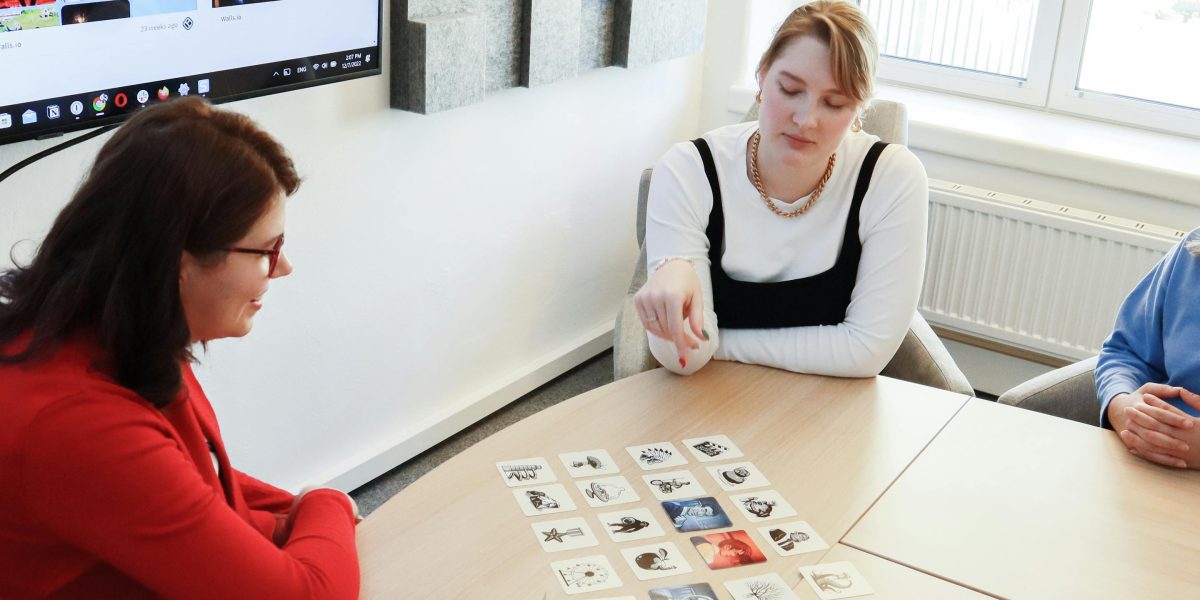
Think of data visualization as part of another word for team player. When you make information easy for others to use, you help everyone succeed.
How These Skills Reduce Follow-Up Questions
Here is the real payoff. When you present with clarity and use visuals well, your team spends less time clarifying and more time doing.
Fewer follow-up meetings. Fewer confused emails. Faster decisions.
This is also why strong communication is a key part of social skills training. It is not just about talking. It is about making sure your message lands the way you intended.
And there is another benefit. When you structure a presentation to persuade and align people, you are practicing something very close to what you learn in negotiation courses. You learn to read the room, adjust your tone, and guide people toward a shared goal.
All of these skills build healthier team dynamics. And when your team has healthy dynamics, performance goes up. Team dynamics what they really mean and how to improve them.
If you work with a remote or hybrid team, these skills matter even more. Virtual presentations have their own challenges.

You need to work a little harder to keep people engaged and focused. Stanford GSB.
A big part of that is investing in simple equipment like a good microphone and lighting. Small changes make a big difference when you present on camera.
The Bottom Line
Great presentation skills come down to two things. Say one thing clearly. Back it up with stories and visuals. That is it.
Your team will thank you. They will understand faster, collaborate better, and move forward without needing constant clarification.
And remember, these skills are transferable skills that employers rank among the most valuable today. Transferable skills 2026 what employers look for and how to develop them.
So pick one skill to work on this week. Maybe it is structuring your next update like a story. Maybe it is using a simple chart instead of a list. Start small. Practice often. Watch your team communication improve.
Overcoming Common Presentation Challenges in Teams
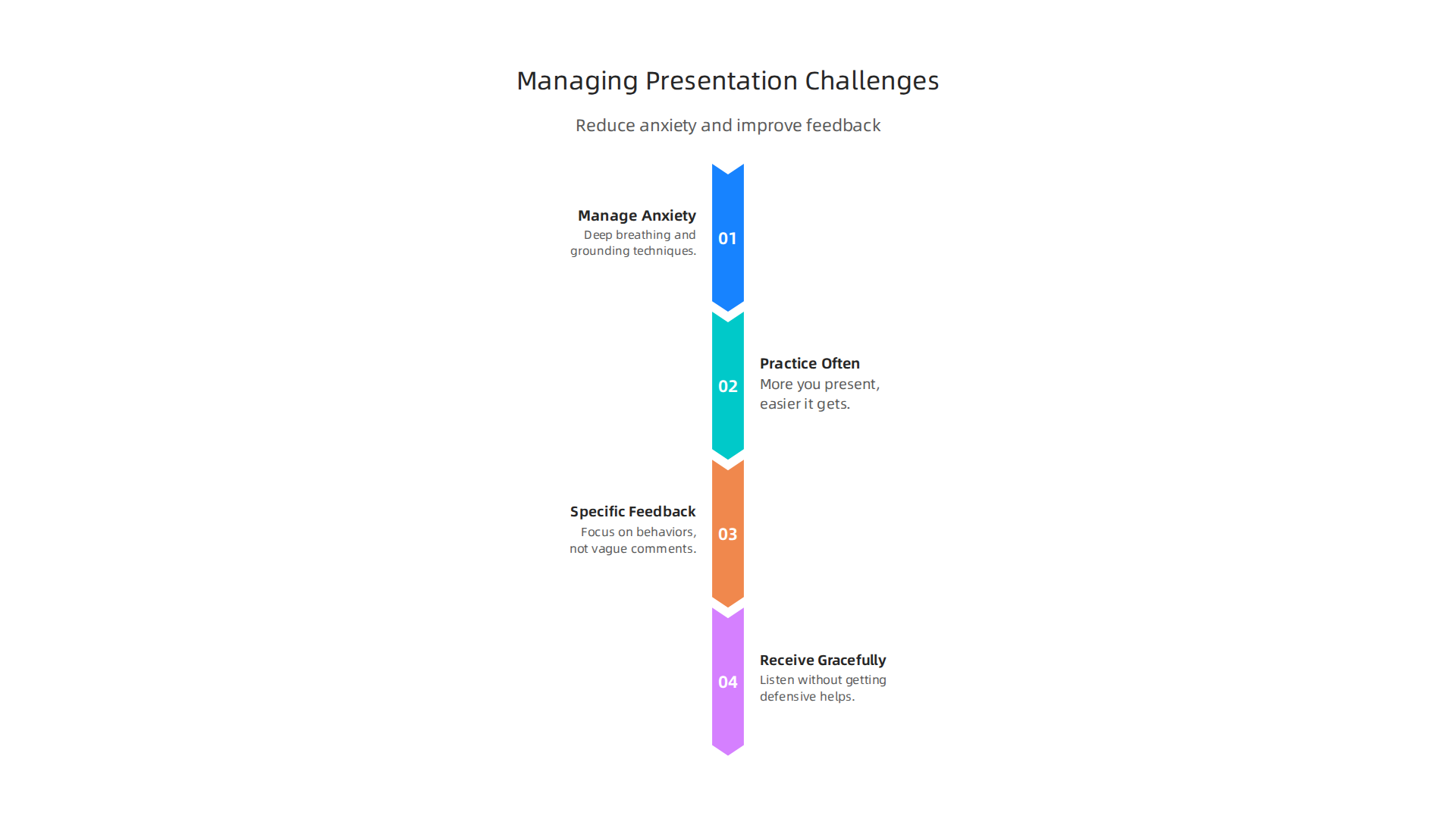
Even with the best planning, challenges still pop up when you present to your team. The good news? You can handle them. Two of the biggest hurdles are presentation anxiety and giving helpful feedback.
Let us walk through both.
Presentation Anxiety Is Normal
You are not alone if your heart races before a presentation. In 2026, public speaking fear affects millions of people. One report found that many workers identify presentation skills as an area they need to develop most. Visme. That is okay. The trick is to manage that feeling so it does not control you.
Simple techniques work. Deep breathing is one of the best. Try the 4-7-8 method. Inhale for 4 seconds. Hold for 7. Exhale for 8. Do this a few times before you start. Baruch College. It calms your body fast.
Another tip is grounding. Feel your feet on the floor. Look at something solid in the room. This keeps you in the present moment instead of worrying about what could go wrong. Mayo Clinic.
Practice also helps a lot. The more you present, the easier it gets.

And when you build confidence, your team benefits from clearer communication. That is why social skills training often includes presentation practice. It is a skill you can learn, just like negotiation. Taking a short negotiation courses can even help you feel more comfortable speaking under pressure.
Give Feedback That Helps People Grow
After a presentation, what happens next? Too often, nobody says anything useful. That is a missed opportunity.
Constructive feedback is a gift. It helps your teammates improve their presentation skills and feel supported. According to a 2026 report, 75% of leaders think their communication is clear, but only 61% of employees agree. Axios HQ. That gap shows how important honest feedback is.
When you give feedback, be specific. Say "Your opening story grabbed my attention" instead of "Good job." And when you receive feedback, listen without getting defensive. That is being a real another word for team player. You help the whole team get better.
Feedback also builds trust. Teams that share honest input after presentations work better together. Healthy team dynamics grow from these small moments. Team dynamics what they really mean and how to improve them.
Turn Challenges Into Growth
Every challenge is a chance to improve. When you face anxiety, you learn what works for you. When you give feedback, you help others shine. Your whole team becomes more confident and effective.
Start today. Before your next team presentation, take three deep breaths. After it ends, share one specific piece of positive feedback with a teammate. Small steps like these build a culture where everyone speaks up and grows together.
Adapting Presentations for Remote and Hybrid Teams
Let us be honest. Presenting to a room full of people is hard enough. Now try doing it through a screen with cameras off and mics muted. In 2026, many teams work remotely or in a hybrid setup. That changes everything about how you share ideas.
Virtual Presentations Need a Different Approach
You cannot just take your in-person slides and put them on Zoom. That does not work. Virtual presentations require different techniques to keep people engaged. VerdanaBold explains that you need to start by understanding your audience and structure your presentation like a story. That makes people want to listen.
Here is the thing. When you present in person, you can read the room. You see confused faces or nodding heads. On a screen, that feedback disappears. So you have to work harder to connect.
Communication expert Teresa Easler suggests seven ways to deliver a more effective virtual presentation. Connect to the Core. One of her top tips is to use your voice more intentionally. Vary your tone. Pause for effect. Speak a little slower than you think you need to.
Technology Can Make or Break You
Your presentation skills only matter if people can actually see and hear you. Bad audio or poor lighting will ruin even the best message.
Stanford Graduate School of Business offers practical advice. Stanford GSB.

Light yourself from above, not from below. Check what appears behind you in the background. And invest in a good microphone. These small changes make a big difference.
Stand up when you present too. Even though your audience cannot see your whole body, standing changes how you sound. You project more energy. You feel more confident. And that confidence comes through the screen.
CBS also shares sixteen tips for effective presentations. CBS. One key point is that clarity improves when you focus on explaining ideas rather than just reading slides. Your slides should support you, not replace you.
If you want to go deeper, Duarte offers virtual presentation skills courses. Duarte. These help you learn to articulate your ideas better in a virtual setting and influence others remotely. That is a smart investment in your social skills training.
Simple Adjustments Help Remote Teams Feel Included
When you have people in the room and people on the screen, the remote folks often feel left out. That hurts team dynamics.
Here are a few easy fixes:
- Ask everyone to join the meeting individually, even if they are in the same office. This puts everyone on equal footing.
- Use the chat feature actively. Ask questions and have people type answers. This includes those who are shy about speaking up.
- Look at your camera, not your screen. It feels weird at first, but it creates the illusion of eye contact for remote viewers.
- Check in with remote teammates first. Ask them for their input before turning to the people in the room.
These small habits show you care about being a another word for team player. You help the whole team feel connected.
If you want to build even stronger connections with your remote team, try some team-building activities that work for virtual groups. You can find ideas on Activities That Build Teamwork for games that actually work in hybrid settings.
And here is a lighter way to break the ice. Sometimes a funny shared story can spark conversation without feeling forced. Need a Lighter Team Idea? It is a simple way to get people talking and laughing together.
Keep Learning and Adjusting
Remote and hybrid presenting is not going away. The skills you build now will serve you for years. Practice these techniques. Ask for feedback. And keep improving your presentation skills one meeting at a time. Your team will thank you for it.
Building a Presentation Skills Training Program for Your Team
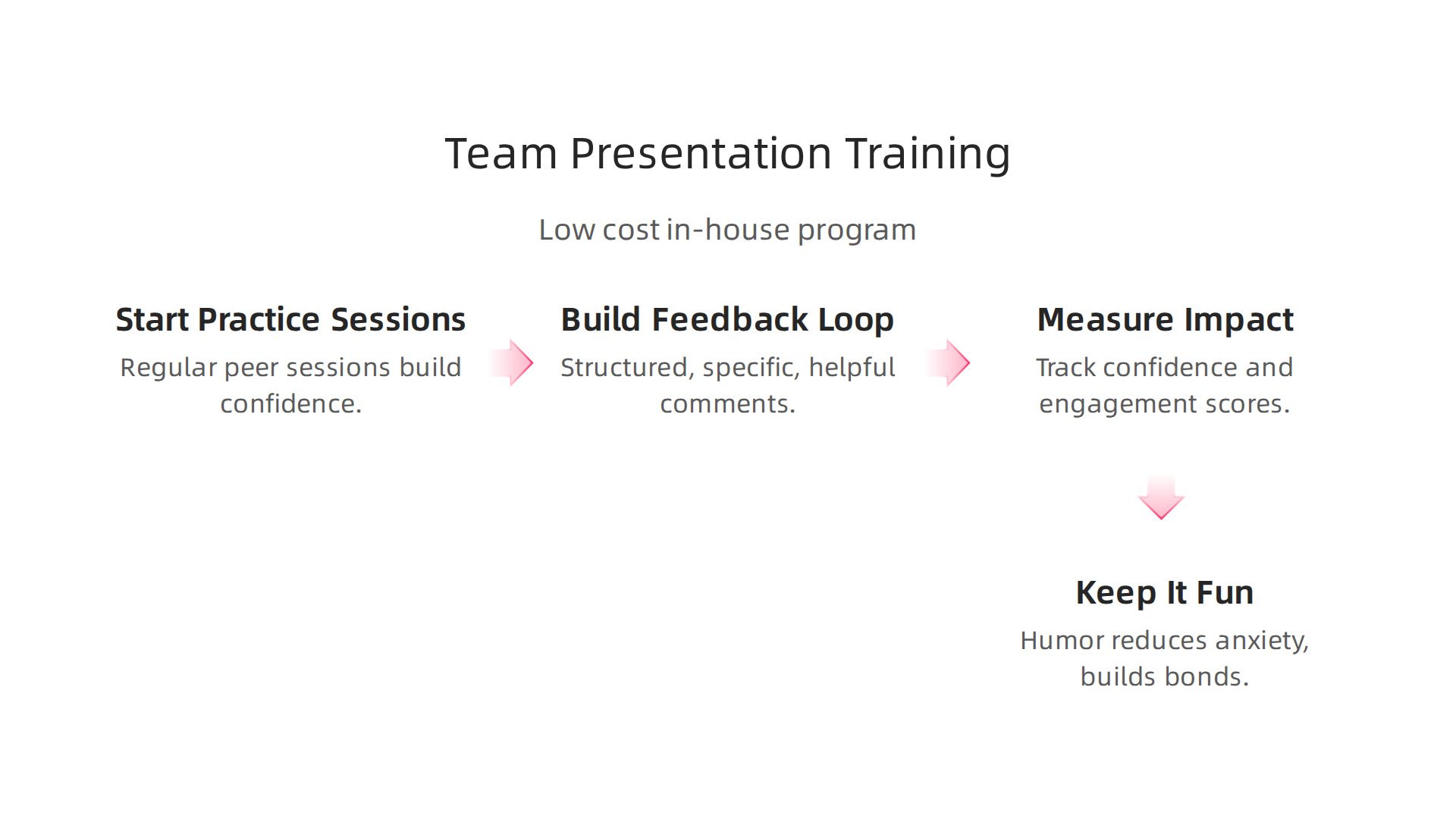
You do not need a big budget or an outside expert to improve your team’s presentation skills. In fact, some of the best training happens right inside your own office (or Zoom room). A low cost in house program can change how your team communicates, collaborates, and feels about speaking up.
Start with Simple Practice Sessions
The easiest way to start is by creating regular peer practice sessions. Have team members present a short topic, even just five minutes, to each other. This builds confidence in a safe space. You can use fun activities like Elevator Pitch or PowerPoint Karaoke to keep it light. The Symonds Research site lists several effective presentation skills activities that work for adults, including storytelling exercises and structured feedback rounds.
When people get nervous, their bodies react. You can teach your team simple breathing techniques to calm down. The Mayo Clinic recommends taking deep, slow breaths before and during a speech. You can practice this as a group before a session. The University of Iowa Counseling Service also suggests visualization strategies and deep muscle relaxation. Spending just a few minutes on these techniques at the start of a practice session helps everyone relax.
Build a Feedback Loop That Works
Practice only helps if people get honest, helpful feedback. Create a structured feedback loop where peers share what worked and what could improve. Focus on specific behaviors, not vague comments like "good job." For example, "You made eye contact with the camera really well" or "Your opening story grabbed my attention."
This type of feedback builds trust and shows you are a true another word for team player. You help each other grow. For more on building this kind of supportive culture, check out our guide on team dynamics and how to improve them.
Measure the Impact to Justify Continued Investment
You need to show that this training makes a difference. Measure training ROI by tracking before and after results. Ask team members to rate their own confidence on a scale of 1 to 10 before the program starts. After a few weeks of practice, ask again. You can also measure how often team members volunteer to present or how well they handle Q&A.
Another way: video record a practice session at the start and then again a month later. Compare the two. You will likely see clearer speaking, better slide use, and less fidgeting. These tangible improvements help you argue for more time and resources for skills training.
If you want a more formal structure, the Dale Carnegie High Impact Presentations course or the Outback Team Building workshop can provide ready made frameworks. But even without paid programs, you can create a powerful learning environment.
Keep It Fun and Human
All this training should not feel like a chore. When people enjoy the process, they learn faster. Adding a little humor helps reduce anxiety. For instance, you might start a session with a funny shared story or a light hearted icebreaker. This sets a relaxed tone and shows that it is okay to make mistakes.
One of our favorite ways to break the ice is with a clever, fun read that sparks conversation and laughter. Give your team a laugh with a sci-fi comedy story that helps people connect and forget their nerves. It is a simple, low pressure way to build bonds while you build skills.
Tie It All Together
A presentation skills training program does not have to be complex. Start with regular peer practice, add structured feedback, measure progress, and keep the atmosphere light. Your team will grow more confident and capable. And that benefits everyone, whether you are presenting in a room or on a screen.
If you want to learn more about building a training culture in your organization, read why a training center is the missing link in team development. It offers practical ideas for creating a continuous learning environment.
Case Study: How a Remote Team Transformed Communication with Presentation Training
Let’s look at a real example. CloudPeak Solutions, a fully remote software company with 40 employees based across four time zones, had a problem. Their weekly all hands meetings felt like a monologue. Only the CEO talked. Everyone else stayed quiet.
When team members had to present to clients, they froze. They rushed through slides, mumbled, and avoided eye contact with the camera. Client feedback said the team seemed disconnected and unprepared.
The leadership team knew they needed better presentation skills. But they had no budget for outside trainers. So they built their own program.
What They Did
CloudPeak started with simple peer practice sessions. They used activities from Symonds Research, like the Elevator Pitch and PowerPoint Karaoke. In PowerPoint Karaoke, a volunteer presents a slide deck they have never seen before. It sounds scary, but it loosens everyone up.
They held these sessions twice a week for 30 minutes. Each person presented at least once a month. After each practice, they gave structured feedback using a simple form. They focused on specific behaviors, not vague praise. Things like "You paused well after your opening" or "Your slide had too much text."
The team also learned breathing techniques to calm nerves. They started every session with a deep breath exercise based on recommendations from the Mayo Clinic.
The Results
After eight weeks, CloudPeak saw real changes. Team members rated their own confidence on a scale of 1 to 10. The average score went from 4.2 to 7.8. That is a big jump.
Client feedback improved too. The CEO said clients now described the team as "polished" and "engaging." More importantly, the team started speaking up in meetings. They asked questions, shared ideas, and gave each other support. That is a true sign you can be another word for team player when you feel safe and skilled.
To track progress, CloudPeak used methods similar to what MIT Sloan Management Review suggests: measuring audience feelings before, during, and after presentations. The team saw a 35% increase in audience engagement scores.
Lessons for Your Team
Here is what CloudPeak learned that you can use too.
Start small and keep it consistent. Short, frequent practice beats long, rare workshops. Their 30 minute sessions were easy to fit into busy schedules.
Make feedback safe and specific. When people know they will get honest help without judgment, they take more risks. This builds trust across the team.
Measure what matters. Track confidence scores, client feedback, and how often people volunteer to present. Hard numbers prove the training works and help you ask for more time or resources.
Keep it fun. PowerPoint Karaoke and other lighthearted activities reduce fear. When people laugh together, they learn faster.
You can do this with your own team. Start with one activity this week. If you want more ready to use ideas, check out team building games that actually work for formats you can adapt for presentation practice. The key is just to begin. Your team will thank you.
Summary
This article explains why weak presentation skills are a hidden drain on team productivity and gives practical, team-focused steps to fix the problem. It connects presentation ability to better collaboration, fewer follow-up meetings, stronger trust, and reduced silos, then spells out the essential skills every presenter should master—clarity and structure plus storytelling and clear data visuals. You’ll find concrete tips to manage anxiety, give constructive feedback, and adapt delivery for remote or hybrid formats, including simple tech and staging advice. The guide shows how to run low‑cost, in‑house practice sessions, build a safe feedback loop, and measure improvement with confidence scores and engagement metrics. A short case study illustrates how brief, consistent practice can raise confidence and client perception. Read it to get ready-to-use activities, a training blueprint, and easy metrics to prove the value of improving presentation skills across your team.