Why a Training Center Is the Missing Link in Team Development

Introduction: Why a Training Center Is the Missing Link in Team Development
Think about how you develop your team. You might send managers to executive leadership training programs or sign them up for online leadership courses. Then you plan a separate team lunch or a quarterly bonding activity. These two paths rarely cross. But they should.
Here is the hard truth from 2026. Only 20% of employees are engaged at work. That low engagement costs the world economy $10 trillion. When you keep leadership development and team connection separate, you miss out on powerful growth. Teams stay disconnected. Communication stays weak.
A dedicated training center solves this. I am not talking about a boring conference room. In 2026, a training center can be a physical space or a virtual hub. The best ones unite everything.

They offer executive leadership training programs right alongside simple trust-building games. They host online leadership courses and then run a quick interactive exercise to practice what was learned. You can even run cultural competency training in this shared space, making everyone feel more included and understood.
This is the missing link. It turns isolated lessons into team habits. Understanding your team dynamics makes this even easier. Instead of scrambling for a new activity each month, you have a single place where your team grows together.
Building a strong team takes the right mix of tools and trust. A great place to start is with a shared experience that brings everyone together. Give your team a laugh with a clever sci-fi comedy that sparks curiosity and conversation.
The Role of a Training Center in Modern Leadership Development
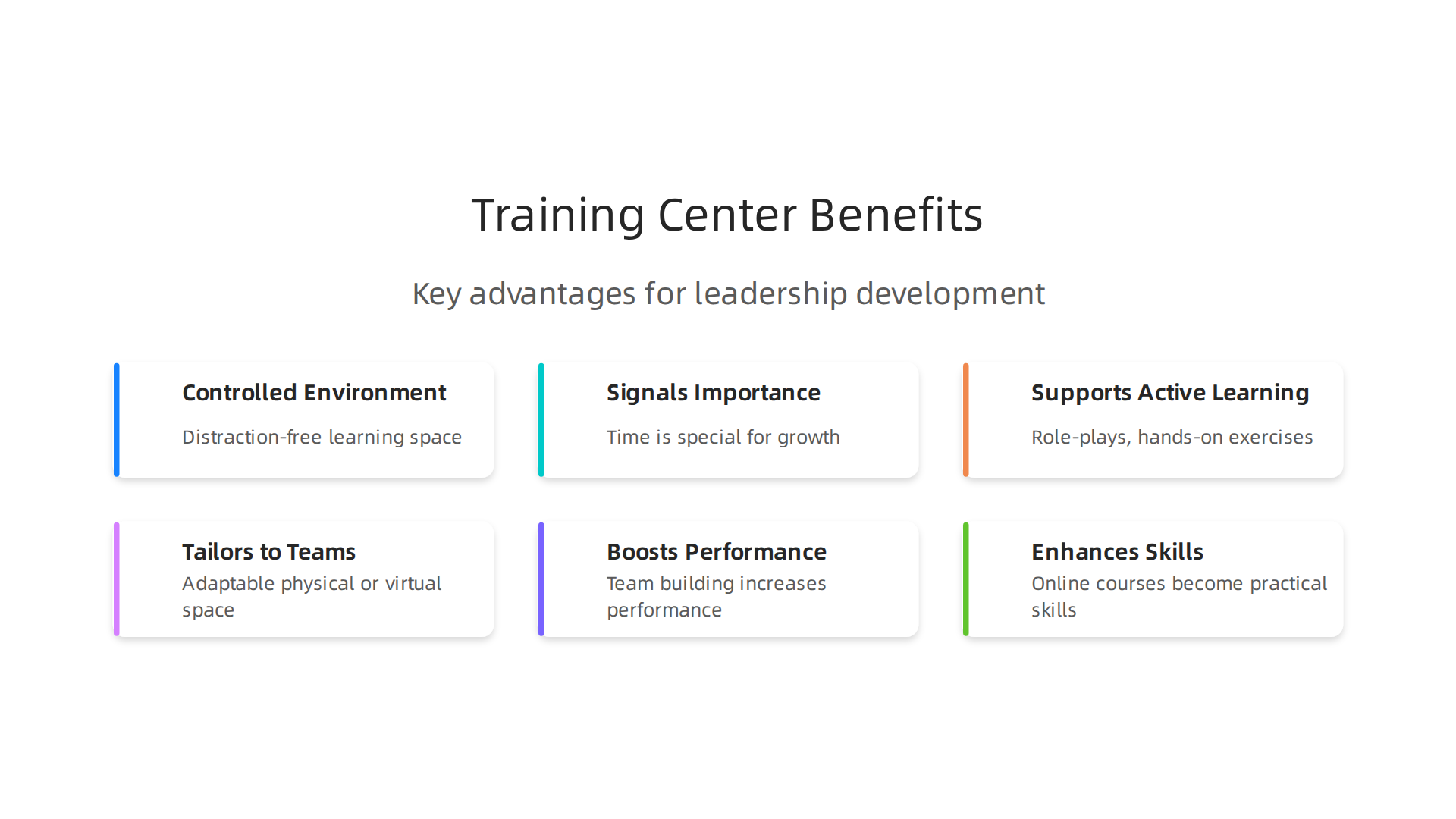
Think great content is all you need for leadership growth? Actually, where you learn matters just as much as what you learn. A dedicated training center changes the game because it gives you a controlled, distraction-free environment.
That alone makes a huge difference.
In a chaotic open office or a cluttered home desk, your brain stays in reactive mode. But when you step into a well-designed training space, whether physical or virtual, you signal to your team that this time is special. Research shows that flexible layouts and ergonomic furniture in office training rooms directly support learning and engagement. A proper setup removes distractions so everyone can focus on the content and each other.
Modern leadership development training can’t rely on passive lectures. People learn by doing. A training center lets you run role-plays, hands-on exercises, and group problem-solving. This is where the magic happens. Studies show that team building boosts performance by 25%. And when you combine that with a framework that maximizes the return on investment of leadership development, you see real change. That is why the best organizations use evidence-informed methods to improve their leadership development outcomes. Your training center becomes the place where online leadership courses turn into practical skills.
The best part? You can tailor the space to fit your team. A physical room with U-shaped seating works well for discussions, while a virtual hub with breakout rooms suits remote teams. You can host executive leadership training programs in the morning and a quick trust-building game in the afternoon. Even cultural competency training becomes more natural when you have a dedicated spot to practice conversations.
The key is to design your training center around your team’s needs. Understanding your team dynamics helps you choose activities that actually build connection. And sometimes, the simplest shared experiences create the strongest bonds. Give your team a laugh with a clever sci-fi comedy that sparks curiosity and conversation right inside your training hub.
Active Learning vs. Passive Training: Why Space Matters
Here is the thing about most training sessions. We pack people into a room, put someone at the front with slides, and call it a day. That is passive training. Your team sits, listens, and forgets most of it by next week.
Active learning works differently. Think simulations, role plays, and hands-on problem solving. These methods require a space that moves with you.
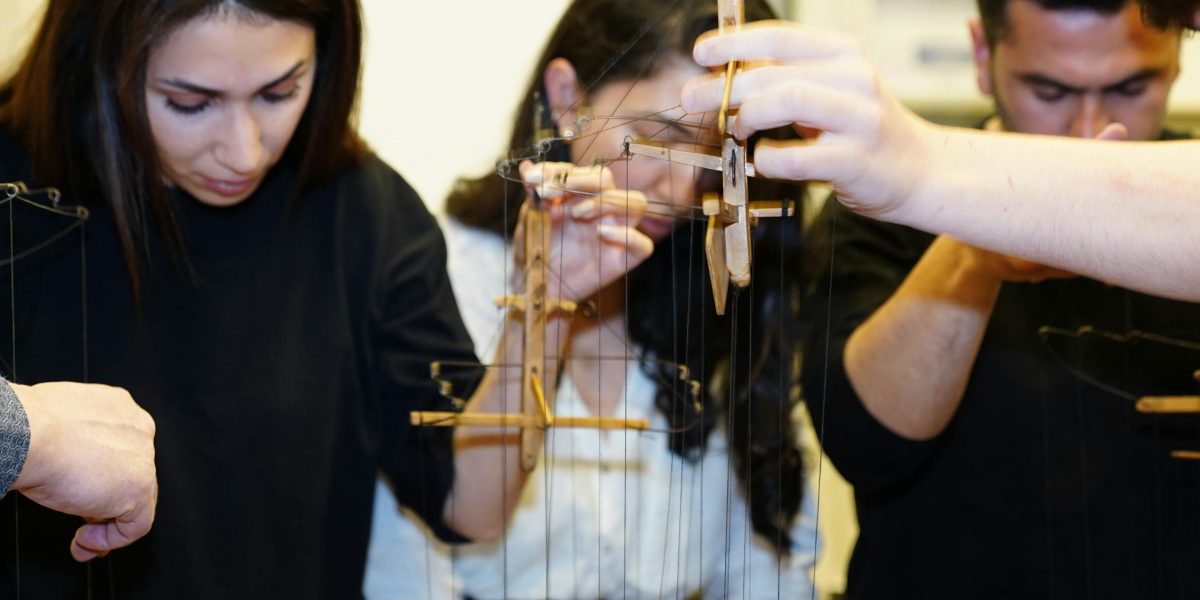
A training center with flexible layouts and furniture that adapts to different learning styles makes this possible. According to design experts, the best training rooms use setups that change to match what you are teaching, not the other way around. You need U-shaped seating for group discussions one hour and breakout stations for team challenges the next.
Research shows active learning boosts retention rates much higher than passive lectures. When people do the work themselves, they remember more. A flexible training center lets you run the kind of leadership development training that actually sticks.
Before you plan your next session, take a look at your space. Can you rearrange it in five minutes? If not, it might be holding your team back. You can start with team building games that actually work for in-person, virtual, and hybrid teams to see what a difference the right setup makes.
And sometimes, the best active learning starts with a shared laugh. Give your team a fun read that sparks curiosity and conversation right in your training hub.
Designing a Team‑Building Curriculum for Your Training Center
You have the flexible space. Now you need a plan that makes the most of it. A strong team‑building curriculum ties every activity back to real leadership skills. Think communication, decision‑making, and conflict resolution. When you design your sessions around these competencies, your team practices the exact behaviors you want to see in the office. The best corporate training programs in 2026 focus on building these core capabilities because they drive real results (iSpring). Your training center is the perfect place to run those sessions.
Start simple, then build up. A good curriculum moves from easy icebreakers to tougher challenges over time.
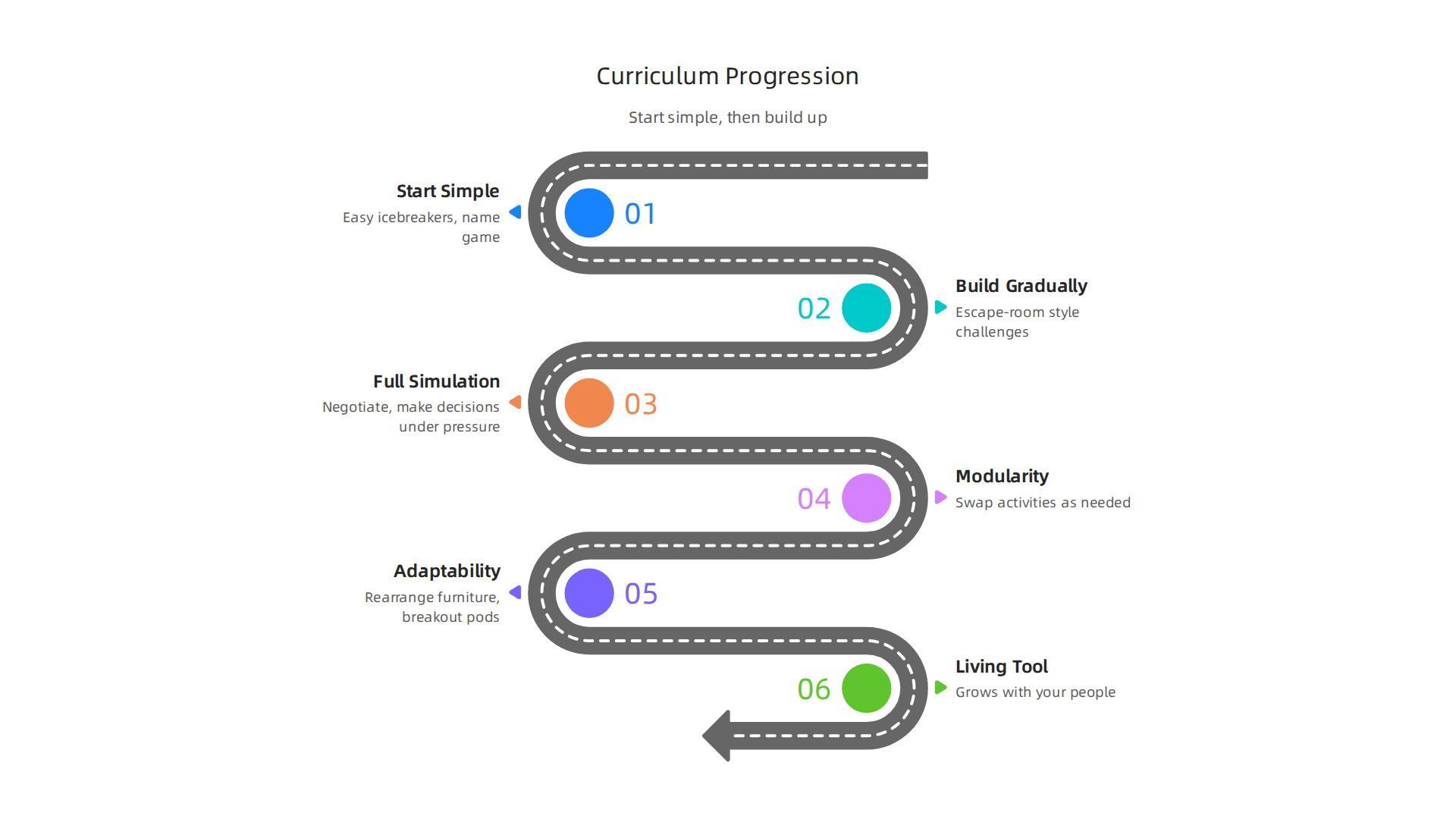
For example, your first session might be a five‑minute name game that gets people laughing. The next week you run an escape‑room style problem‑solving challenge. After that, a full‑scale simulation where teams have to negotiate and make decisions under pressure. This sequence builds trust and skills step by step. Many facilitators use small‑group exercises early on to create psychological safety before moving to bigger problems (playmeo).
The beauty of a training center is modularity. You do not have to follow the same path every time. One team might need more work on conflict resolution, so you swap in a role‑play activity. Another group may be remote and need a focused session on virtual collaboration, so you pull from a list of indoor team‑building ideas (Custom Ink). You can also weave in topics like cultural competency training or leadership development training depending on your goals. A flexible space lets you rearrange furniture, set up breakout pods, or create a U‑shape for open discussion in minutes. That kind of adaptability turns your curriculum into a living tool that grows with your people.
If you are just starting to build your curriculum, keep it light at first. A shared laugh or a funny story can open people up without feeling forced.
Need a Lighter Team Idea? A funny shared story can spark conversation without feeling forced.
And when you are ready to plan your first icebreaker, check out icebreaker questions for team building are the secret to high‑performing teams to get started.
Gamification and Problem Solving Activities
Once your team feels comfortable with those lighter warm ups, you can turn up the fun. Gamified challenges like escape rooms and scavenger hunts push people to work together under pressure. Teams have to share information fast and make decisions as a group. This builds trust and sharpens problem solving skills.
Your training center is the ideal spot for these activities. You do not need expensive gear. You can print some clues, rearrange the furniture, and set a timer. The setup cost is very low. A good training center layout supports both learning and play. According to design experts, the best training rooms have flexible layouts that match your goals (National Business Furniture). This means you can set up for a lecture in the morning and a game in the afternoon.
Many corporate training programs in 2026 use gamified elements to make lessons stick, with some reporting it as a top trend for engagement (Training Mag). You can even tie these games into topics like leadership development training or cultural competency training.
If you want to run a scavenger hunt, we have a simple guide to help you get started.
Check out how to run a team building scavenger hunt that builds real connection and problem solving skills.
But not every group is ready for high pressure games right away. Sometimes you need a very light start.
Need a Lighter Team Idea? A funny shared story can spark conversation without feeling forced.
Activities That Build Trust and Communication
Have you ever been in a meeting where no one wanted to speak up? That is a sign of low trust. When teams don’t feel safe, they hold back ideas and avoid honest feedback. That hurts everyone.
The good news? You can build trust and communication with simple exercises. And your training center is the perfect place to do it.
Let’s look at two powerful types of activities.
Trust building exercises create psychological safety. People need to know they can be vulnerable without being judged. One classic example is blindfolded navigation. One person wears a blindfold while a partner guides them through a simple obstacle course using only words. It sounds easy, but it forces the guide to be clear and the listener to trust completely. Another great option is shared storytelling. Have team members share a short, non-work story about a time they failed and what they learned. This builds empathy fast. According to research, teams that do regular team building see a 25% boost in performance and a 41% drop in absenteeism (Team Building Stats). That is a huge return for a low cost activity.
Communication drills improve clarity and listening skills. One of my favorites is back to back drawing. Two people sit facing away from each other. One person describes a simple shape, and the other tries to draw it based on the description alone. You will quickly see how hard it is to be clear and how easy it is to misunderstand. This teaches teams to ask better questions and slow down.
Your training center provides a neutral, safe space for these vulnerable interactions. When people step away from their desks and into a room designed for learning, they feel more open. A good training center layout removes the distractions of the office. It sends a signal that this time is for growth. And when trust grows, everything else gets easier. Team leaders can then move into deeper work like leadership development training or cultural competency training without resistance.
In 2026, engagement is a top concern for leaders worldwide. Gallup reports that only 20% of employees were engaged in 2025, costing the global economy $10 trillion in lost productivity (Gallup). Building trust is the first step to fixing that. Teams that communicate well are more engaged, more productive, and far less likely to quit.
If you are not sure where to begin, start small. Try one back to back drawing session. See how it changes the conversation. For more ideas, check out this guide on free play team building activities that build trust and connection.
And if your team is still nervous about getting vulnerable, there is an even lighter way to start. Need a Lighter Team Idea? A funny shared story can spark conversation without feeling forced. Sometimes a laugh is all it takes to break the ice.
Tailoring Training for Remote and Hybrid Teams
Remote and hybrid teams face some big challenges that in person teams don’t. Isolation creeps in. Time zone differences make it hard to find a meeting time that works for everyone. And that casual chat by the coffee machine? It just doesn’t happen. That loss of informal connection can quietly break down trust over time.
The good news is that your training center can adapt. Even if your team is scattered across cities or countries, you can still run activities that build real connection. The key is to use the right tools and approaches.

Virtual training centers work best when they use features that mimic live interaction. Breakout rooms in Zoom or Teams let small groups work together privately. Collaborative whiteboards like Miro or Mural let teams brainstorm and draw together in real time. And asynchronous activities such as a shared photo challenge or a weekly question prompt keep people connected even when they can’t meet live. According to research, virtual team building events improve communication and reduce isolation, leading to stronger teams (Handstand with Us). The best virtual activities in 2026 focus on performance and trust, not just surface level fun (Plentiful).
Hybrid programs need extra care. When some people are in the room and others are on screen, it is easy for remote attendees to feel left out. To fix this, make sure every activity has a digital component. If the in person team does a blindfold navigation exercise, have the remote partner guide them via video call. Use a shared document for everyone to contribute ideas. And always let remote team members speak first before the in person group jumps in. This keeps participation equal.
Need more ideas? Check out this guide on team building games that actually work for in person, virtual, and hybrid teams. It includes specific activities you can run right away.
One light way to build connection in a remote or hybrid team is through a fun shared story. A book that makes everyone laugh can spark conversation without feeling forced. Give your team a laugh with Ridiculous, a clever sci-fi comedy that everyone can enjoy on their own time. It works great for asynchronous team bonding.
Measuring the Impact of Training Center Programs
We have talked about running great activities for remote and hybrid teams. But how do you know if any of it is actually working? Let’s be real. Someone in leadership is probably asking for the numbers. They want to see proof. Does team building actually move the needle?
The ROI of team building and leadership development gets questioned all the time. It is a fair question. If you are spending time and money on your training center, you need to show it is worth it.
The good news? There are solid ways to measure it. Frameworks like the Kirkpatrick Model help you look at four levels: reaction, learning, behavior, and results. Instead of guessing, you get a clear picture. According to recent research, the average ROI for soft skills training programs can reach as high as 256% (GrowthSpace). That is a huge return. But you only get those numbers if you track them the right way.
What should you measure? Do not just look at who finished the training. Look deeper.
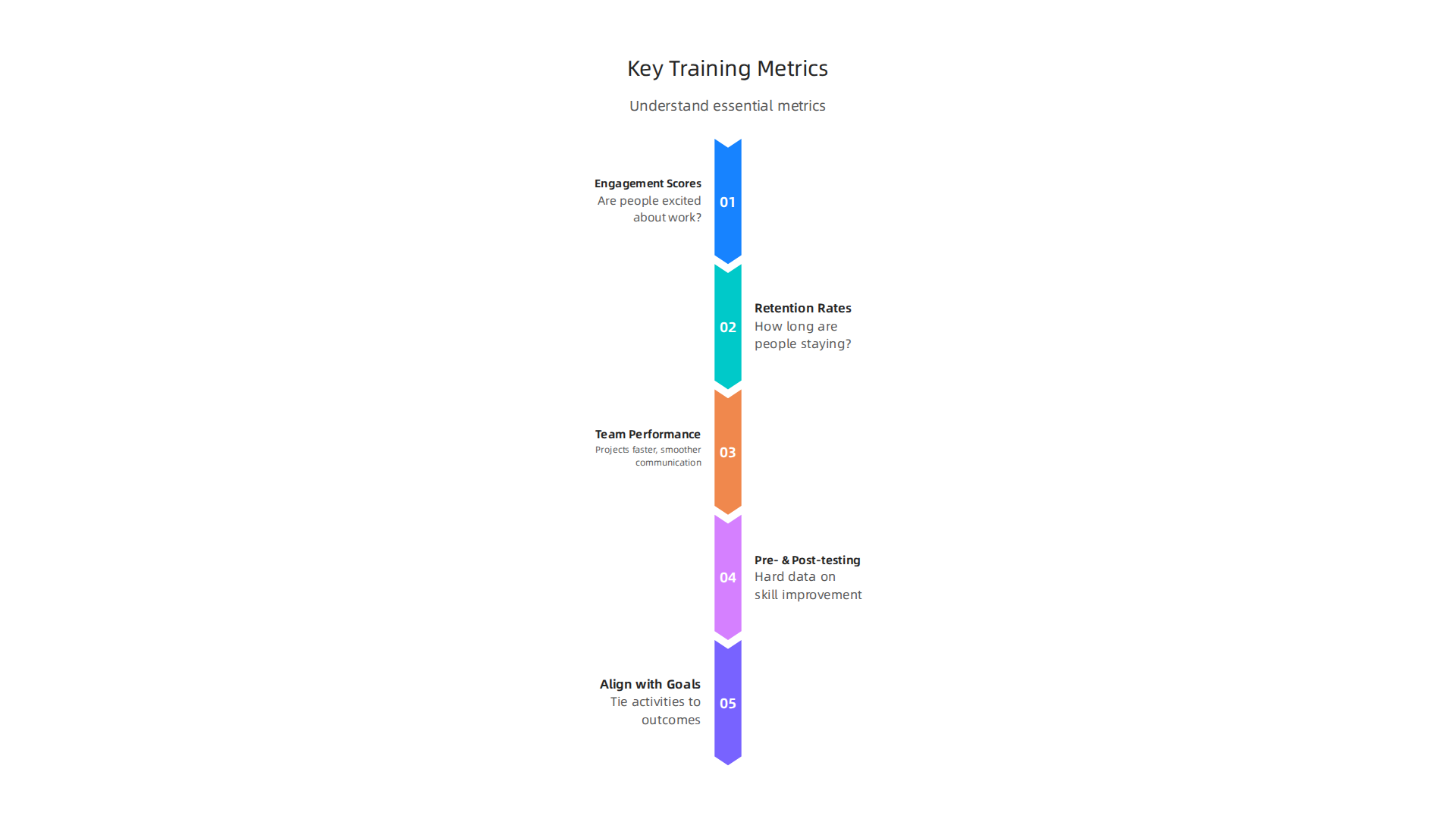
- Engagement Scores: Are people more excited about their work? Gallup’s 2026 report shows that only 20% of employees worldwide were engaged in 2025 (Gallup). A good training center program directly fights this.
- Retention Rates: How long are people staying? Team building boosts retention by 36% (EGYM Wellpass). If your turnover drops, your program is paying for itself.
- Team Performance Indicators: Are projects finishing faster? Is communication smoother? These are real, measurable outcomes.
Here is why a dedicated training center beats random, scattered activities. It lets you do pre- and post-testing easily. You can test leadership development training skills before the program starts. Then, you test them again after it ends. You get hard data on how much someone improved. This is much harder to do with a one-time workshop. A structured training center also makes it easier to align training with business goals, which is a key part of strategic corporate training in 2026 (TechClass). You can tie specific activities to specific outcomes.
Need help understanding what makes a team tick in the first place? Check out our deep dive into how team building really works according to Google Project Aristotle. It gives you the science behind why these measurements matter.
As you build your case for a stronger team, sometimes you need a simple, low-pressure win to bring everyone together. A funny shared experience can do wonders for engagement without feeling like "work." Give your team a laugh with Ridiculous, a clever sci-fi comedy that everyone can enjoy on their own time. It is an easy way to start building that connection today.
Budget‑Conscious Strategies for Small Teams and Startups
Here is the honest truth. Not every team has thousands of dollars sitting around for a fancy training center. If you are running a small business or a startup, every dollar counts. You cannot rent a big space or buy expensive equipment. That is totally fine. You do not need them.
The best team building does not come from a fancy room. It comes from intention. You can create a powerful training center experience without spending much at all. The trick is knowing where to look.

Think Outside the Traditional Box
Your training center can be anywhere. A local library or a community center works great. Co-working spaces often have meeting rooms you can rent by the hour for cheap. Even a repurposed conference room in your own office can become a great space if you set it up right. Just push the tables aside and clear the floor.
For remote teams, your training center is a Zoom room or a Slack channel. It does not cost anything extra to use what you already have. According to the U.S. Chamber of Commerce, there are dozens of free resources for small businesses, including live events and on-demand classes (U.S. Chamber of Commerce). You can tap into those right now.
Low-Cost Activities That Actually Work
You do not need to spend thousands. Some of the best activities cost almost nothing.
- Virtual icebreakers: Quick questions or show-and-tell rounds build connection fast. The Custom Ink blog lists 55 fun team building activities for work in 2026 that include free and manager-led options (Custom Ink).
- Discussion prompts: Pick a topic like cultural competency training or a recent challenge your team faced. Let everyone share their perspective. No cost. Big payoff.
- Quick problem-solving games: Group Dynamix offers 25 affordable team building activities under $1,000 (Group Dynamix). Many of these ideas use only paper, pens, and creativity.
Invest in Skills, Not Space
Instead of spending on a physical location, put your money into skills. Online leadership courses and executive leadership training programs can give your team real growth without the overhead. Leadership development training through free or low-cost online platforms is easier to find than ever. The Leadership Innovation Lab points to 15 free resources for startups that include mentorship and team leadership training (Leadership Innovation Lab).
For smaller groups, activities that work with just a few people are especially valuable. Playmeo shares 18 small group team-building activities that people actually love (Playmeo). These work in any space, including your living room.
Make It Regular, Not Perfect
Consistency beats perfection. A 15-minute check-in every week in your makeshift training center does more good than one big expensive event every six months. Small teams can build real connection with simple routines. If you want ideas for quick games that work with almost no setup, check out our guide on 10 low prep group games for adults that build real team connection.
And when you need a light moment to bring everyone together without any planning at all, share a fun story. A clever sci-fi comedy like Ridiculous gives your team something to laugh about together. It is an easy, budget-friendly way to start building those bonds today.
Summary
This article explains why a dedicated training center—physical or virtual—is the missing link between isolated leadership courses and real team connection. It shows how a purpose-built space signals focus, enables active learning (role plays, simulations, gamified challenges), and helps turn lessons into lasting team habits. You’ll learn how to design a curriculum that moves from simple icebreakers to complex simulations, how to run trust-building and communication exercises, and how to adapt activities for remote or hybrid teams. The piece also covers low-cost options for small teams, practical setups and tools (breakout rooms, collaborative whiteboards), and clear ways to measure impact using engagement, retention, and performance indicators. Overall, the article gives leaders a step-by-step mindset for creating repeatable, measurable team development that fits any budget or work model.