Another Name for Team: How to Pick the Perfect Label for Your Group

Introduction
You call your group of coworkers a team. But have you ever stopped to wonder if that is the best word to describe them? Maybe you have used words like "crew," "squad," or "pod" instead. In 2026, the language we use at work matters more than ever. The name you choose for your group can actually shape how people feel, how they communicate, and how well they work together.

A team is typically defined as a group of people who work together toward a shared goal Wikipedia.
But not every group is the same. Some are tight-knit and focused. Others are loose collections of people doing their own tasks. The difference between a "group" and a "team" is real, and it can affect your team dynamics Asana. When you pick the right label, you set the tone for how people behave.
Think about it. When you say "crew," it might feel more casual and loyal. When you say "squad," it sounds like a unit that has each other’s backs. These are all synonyms for "team," but they carry different energy Merriam-Webster. Even team antonyms like "individual" or "loner" can remind us why being part of a team is valuable. The words we choose influence team building, collaboration, and even which activity for team building feels right.
This article will walk you through the many other names for a team. We will explore what each term really means, when to use it, and how the right vocabulary can improve your workplace culture. By the end, you will know exactly how to describe your group in a way that brings people together.
If you are looking for more ways to strengthen your group’s bond, check out our guide on team building synonyms to find the perfect label for your next collaboration session.
Why Understanding Team Synonyms Matters for Your Organization
So we know there are plenty of different words for a group of coworkers. But does it really matter if you call them a "team," a "crew," or a "pod"? Actually, yes. The label you choose sends a strong signal about how people should act and feel.

Here is the thing. Not every group works the same way. A true team is defined as a group of people who are interdependent and share a common mission Wikipedia. But some groups are just collections of individuals doing their own tasks. The difference between a "group" and a "team" is real, and it affects how people collaborate Asana.
If you call everyone a "team" when they really just work side by side, you might confuse expectations. People may feel like they should be working together when they are not set up that way.
Words shape behavior. Research shows that the names we use at work influence how people feel about belonging and pride Bonfyre.
When you pick a word like "squad," it can make the group feel tight and loyal. When you pick "task force," it sounds temporary and mission-focused. Leaders who ignore this nuance risk misalignment between team identity and the actual work. For example, if you call a group a "team" but never allow them to make decisions together, the label feels empty. That gap can hurt engagement and even performance Profit.co.
Distinct labels can also build pride and ownership. Research on team names shows that a thoughtful name can reinforce a group’s purpose and culture EAU University. When people feel like they belong to something special, they are more motivated. Even understanding team antonyms, like "individual" or "loner," can help you see why collaboration matters. You start to appreciate the value of togetherness.
In short, finding the right another name for team is not just about vocabulary. It is about setting the stage for how your group operates, communicates, and feels. If you want to dig deeper into how your team’s internal dynamics affect performance, check out our guide on team dynamics and how to improve them.
The Classic Synonyms: Group, Crew, Squad
Now that we understand why the label matters, let’s look at the most common alternatives for "team." These classic synonyms each carry their own flavor. Choosing the right one depends on the size of your group, the formality of the setting, and the vibe you want to create.
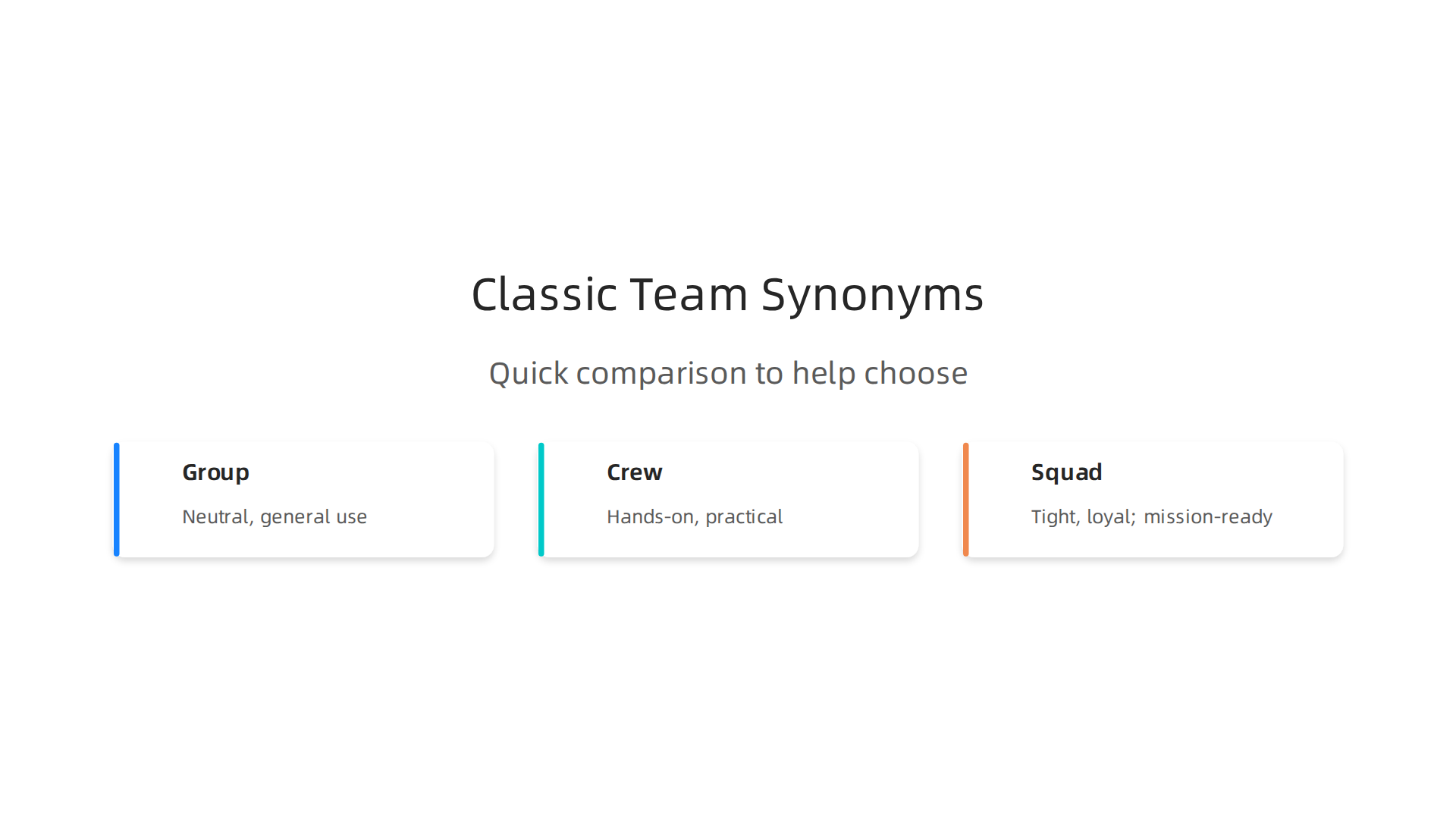
Group is the most general term. It works for almost any collection of people. But it does not imply any connection or shared mission. A group could be strangers in an elevator or coworkers in a department. When you use "group," you keep things neutral and open. This can be useful when you do not want to set high expectations for bonding.
Crew has a different feel. It brings to mind a hands-on, working-together energy. Think of a film crew, a flight crew, or a construction crew. There is an implied sense of shared labor and practical cooperation. Using "crew" can make your team feel more grounded and action focused. It is a solid another name for team when you want to emphasize getting things done as a unit.
Squad has made a big comeback, especially in startup and tech culture. The word comes from military and sports contexts. It suggests a small, tight-knit group that is loyal and ready for action. Calling your group a "squad" can build a sense of closeness and mission. It works best for smaller teams of five to ten people who need to move fast together.
Here is a quick comparison to help you choose:
| Term | Feels Like… | Best For… |
|---|---|---|
| Group | Neutral, general | Any collection, formal settings |
| Crew | Hands-on, practical | Action oriented work, teams that build or fix things |
| Squad | Tight, loyal, mission ready | Small teams, startups, high trust groups |
Each of these words is a valid another name for team. But they are not interchangeable. Think about the energy you want to create. If you want a sense of shared struggle and teamwork, "crew" might be your best choice. If you want to signal a close bond and a clear mission, try "squad."
Understanding these subtle differences helps you avoid confusion. It also supports your team building efforts. When everyone understands the label you use, they know how to act. For teams that want to strengthen their bond, a quick activity can help. Check out our guide on how team building really works according to Google Project Aristotle to see what makes groups click.
Just remember, team antonyms like "individual" or "loner" remind us that not everyone wants to be part of a group. But for those who do, picking the right word sets the stage for real connection.
Modern Alternatives: Pod, Tribe, Guild
Once you have mastered the classics, you can explore some newer options that workers in 2026 are adopting. These modern labels reflect how work has changed. They can reshape how your group thinks and acts.
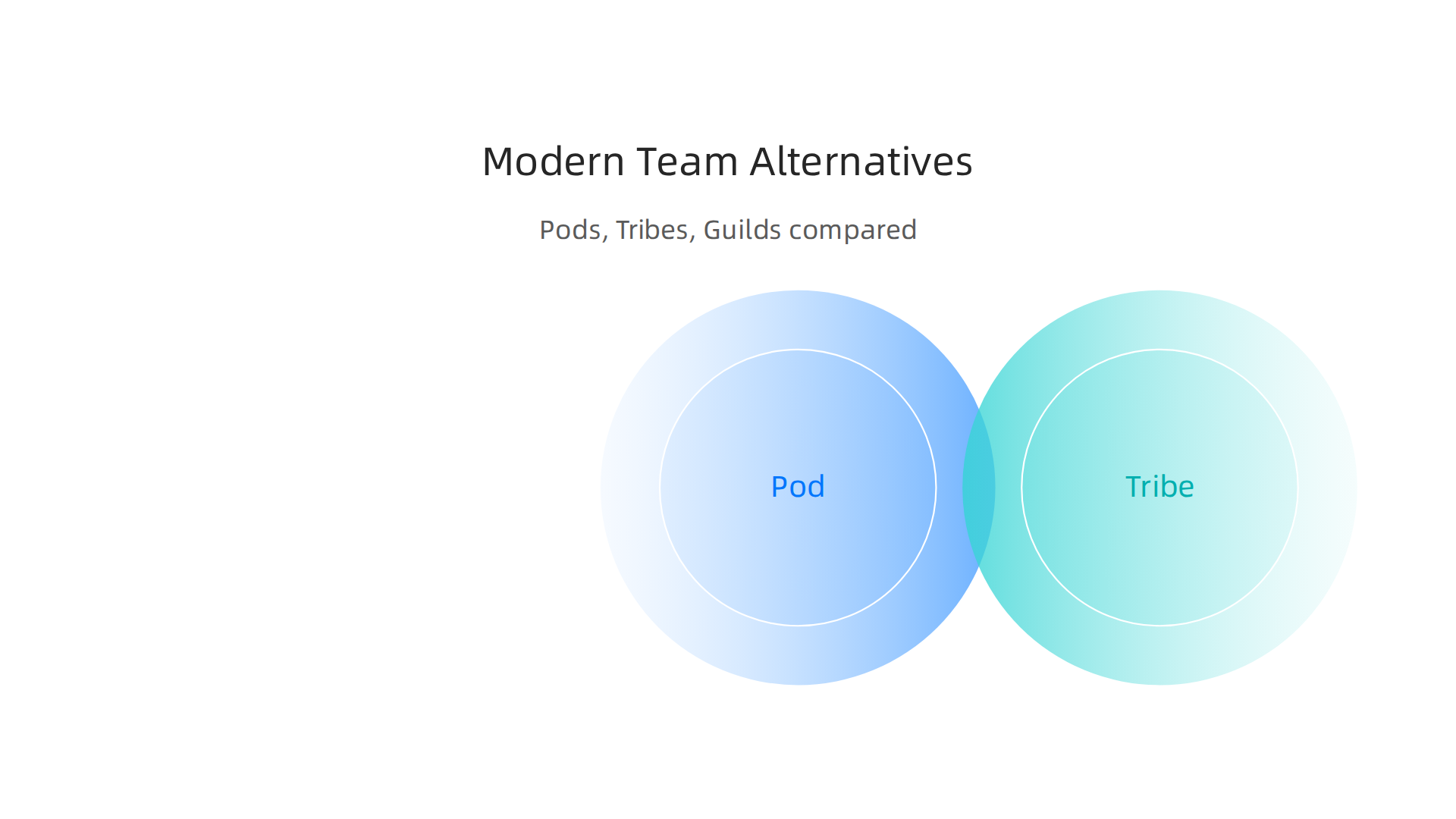
Pod comes straight from agile and tech culture. A pod is small, agile, and cross-functional. Everyone works closely together on a specific goal. This structure cuts down on meetings and handoffs. It gives the team real ownership over their results. The Taplow Group’s look at trending corporate terms in 2026 highlights how agile language is becoming mainstream. If you want speed and autonomy, "pod" is a clear another name for team.
Tribe is a powerful term that creates a strong sense of belonging. A tribe is usually a larger group made up of several pods or squads. The word suggests shared values and a common mission. But here is the thing. "Tribe" can feel culturally insensitive to some people. It borrows language from indigenous communities. ICAEW’s 2026 office jargon guide reminds us to think about the impact of the words we use. Before adopting "tribe," check with your group. Make sure everyone is comfortable with it.
Guild brings a focus on craft and learning. In a guild, people from different teams come together to share skills and best practices. Think of it as a community of practice. Indeed’s guide to teamwork synonyms shows that words tied to continuous learning stand out. If your goal is to help people grow in their roles, "guild" sets the perfect tone.
Here is a quick comparison:
| Term | Focus | Best For |
|---|---|---|
| Pod | Speed and autonomy | Cross-functional projects |
| Tribe | Belonging and mission | Larger organizational units |
| Guild | Craft and learning | Skill development communities |
Each of these modern options is a valid another name for team. But remember, labels alone do not build trust. You still need the right team building practices to back them up. An activity for team building can turn your pod, tribe, or guild into a truly high performing group. Try our team building games that actually work to bring your chosen name to life.
Contextual Synonyms: Task Force, Committee, Board
Sometimes your group needs a label that sounds official and clear. Words like "pod" or "tribe" feel modern and fluid. But in certain situations, you need something more structured. That is where formal terms like task force, committee, and board come in. Each one serves a different purpose. And picking the right one tells people exactly what to expect.
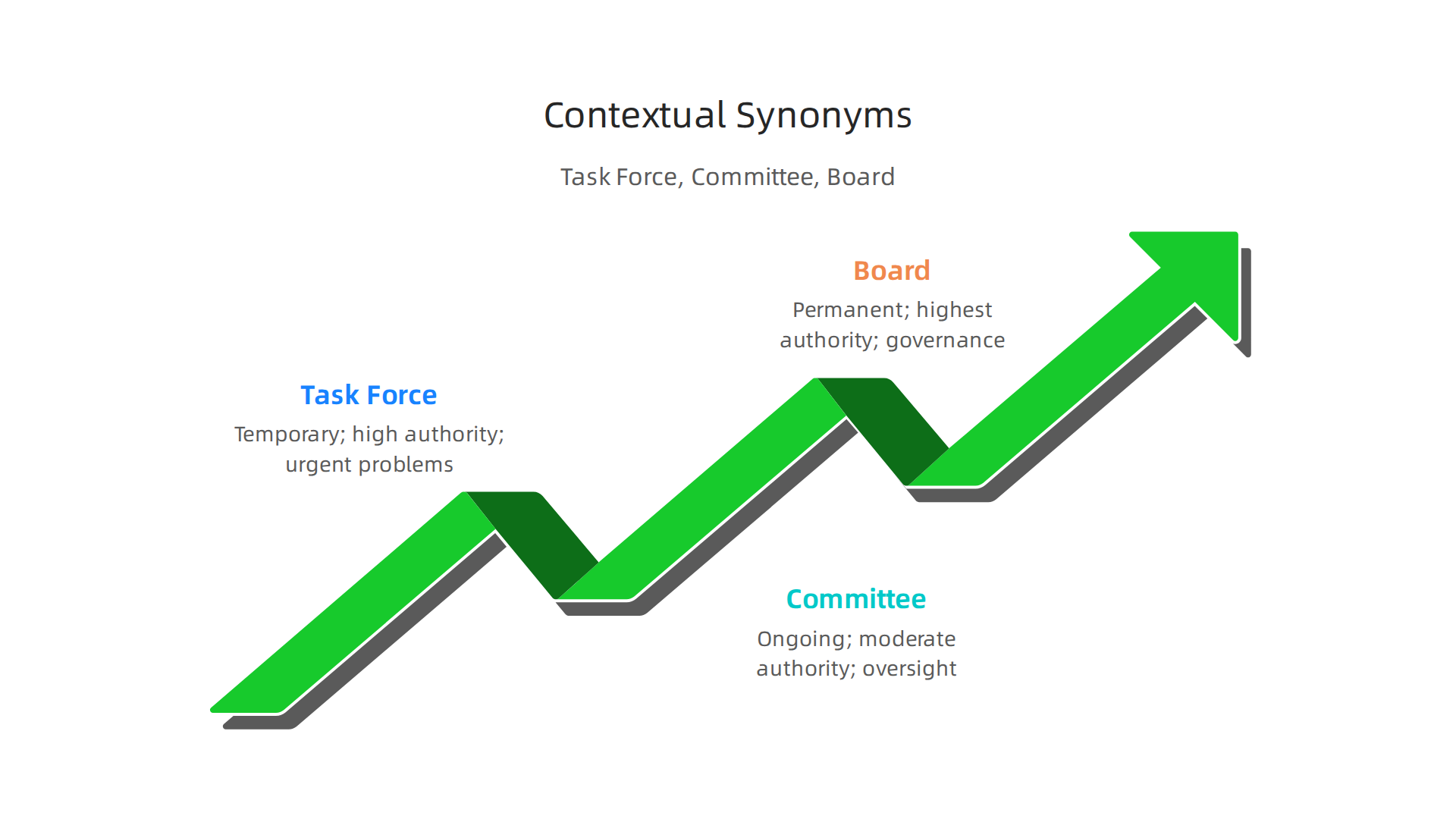
Task force is a great option when you need to solve a specific, urgent problem. Think of it as a temporary team with a clear mission. Once the mission is done, the task force disbands. For example, the California Department of Public Health describes a task force that meets monthly to improve access to services for farmworkers. That kind of focused, time-limited group is a perfect another name for team when speed matters. Use "task force" when you want people to know this is not a permanent group. It signals that the work is critical and time sensitive.
Committee is the opposite. It is built for ongoing governance and oversight. Committees usually have regular meetings and a slower pace of decision making. They handle things like policy review, event planning, or budget approval. The Interactive Advertising Bureau runs committees and councils to keep their industry moving forward. Committees work well when you need steady, thoughtful input over a long period. But be careful: if your committee gets too big or moves too slowly, people may lose interest.
Board carries the most authority. A board oversees strategy, sets rules, and makes high level decisions. You see boards in nonprofits, corporations, and even tech platforms like Meta’s Oversight Board which recommends content policy changes. Boards are formal, structured, and often have legal responsibilities. If you use "board," people understand there is real power behind the name. A board is not for everyday teamwork. It is for governance and accountability.
Here is a quick way to choose:
| Term | Duration | Authority | Best Use Case |
|---|---|---|---|
| Task Force | Temporary | High for mission | Solve urgent problem |
| Committee | Ongoing | Moderate | Regular oversight |
| Board | Permanent | Highest | Strategic governance |
Each of these formal terms sets clear expectations about how the group operates. If you pick the wrong label, you can confuse your team about their role. For example, calling a short term project a "committee" might make people think they are stuck in a long commitment. Calling a permanent group a "task force" might make them think the work will end soon.
The right name helps people work better together. But no matter what you call your group, you still need to build trust and connection. That takes real effort. If you want to strengthen how your team works, check out our article on team building synonyms to reframe your next collaboration session. It gives you more ways to think about your group and how to build strong relationships inside it.
The Psychological Impact of Team Labels on Collaboration and Morale
You might not think a name matters much. But the label you choose for your group can change how people feel about showing up every day. Words have real power. They can make someone feel included, valued, and safe. Or they can make someone feel excluded, confused, and disconnected.
Think about the last time you joined a new group. Did the name make you feel welcome? Or did it feel cold and formal? Labels signal things like inclusivity, autonomy, and culture before anyone even speaks.
Research shows that employee engagement is built on emotions like trust, happiness, and belonging. When people feel they belong, they are more motivated and productive.

The Bonfyre blog breaks down five emotional constructs that drive engagement: trust, altruism, happiness, belonging, and achievement. A team name that fosters belonging can spark those positive emotions from day one.
On the flip side, labels can also harm. One study examined public negative labeling, where a team member is called out as bad. That kind of label damages team interaction and performance. It creates fear instead of safety. So the way you name your group matters just as much as the way you treat people inside it.
Teams that get to choose their own name often show higher engagement. Why? Because the act of naming gives them autonomy and ownership. They feel like they helped build the group, not just joined it. When people have a say, they connect more deeply. That sense of control links directly to psychological safety, which is a key driver of engagement. According to Profit.co, psychological safety makes employees more motivated and innovative.

A chosen name can be a simple step toward that safety.
But when the label does not match the reality, confusion sets in. Imagine calling a temporary project a "committee." People might expect a long commitment. Or calling a permanent team a "task force." They might wonder when the work ends. These misalignments reduce effectiveness because people don’t know what to expect. They might hold back or disengage.
So what can you do? Involve your team in picking their own name. Let them suggest ideas. Vote on a few options. Make it a fun activity for team building to kick off the group. This small effort builds connection right from the start.
If you want to explore more ways to build team spirit, check out our article on team building synonyms. It gives you even more language options to strengthen your group.
And if you need something light and funny to get your team laughing together, a silly shared story can break the ice without pressure. Give Your Team a Laugh with a clever sci-fi comedy that sparks conversation and curiosity.
The name you choose is just the beginning. But it sets the tone. So choose wisely and involve your people. They will thank you for it.
How to Choose the Right ‘Another Name for Team’ for Your Culture
Picking another name for team isn’t something you should rush. The right label can boost morale, while the wrong one can create confusion. So how do you find the perfect fit for your group? It comes down to three simple steps: assess your culture, involve your people, and revisit the choice over time.
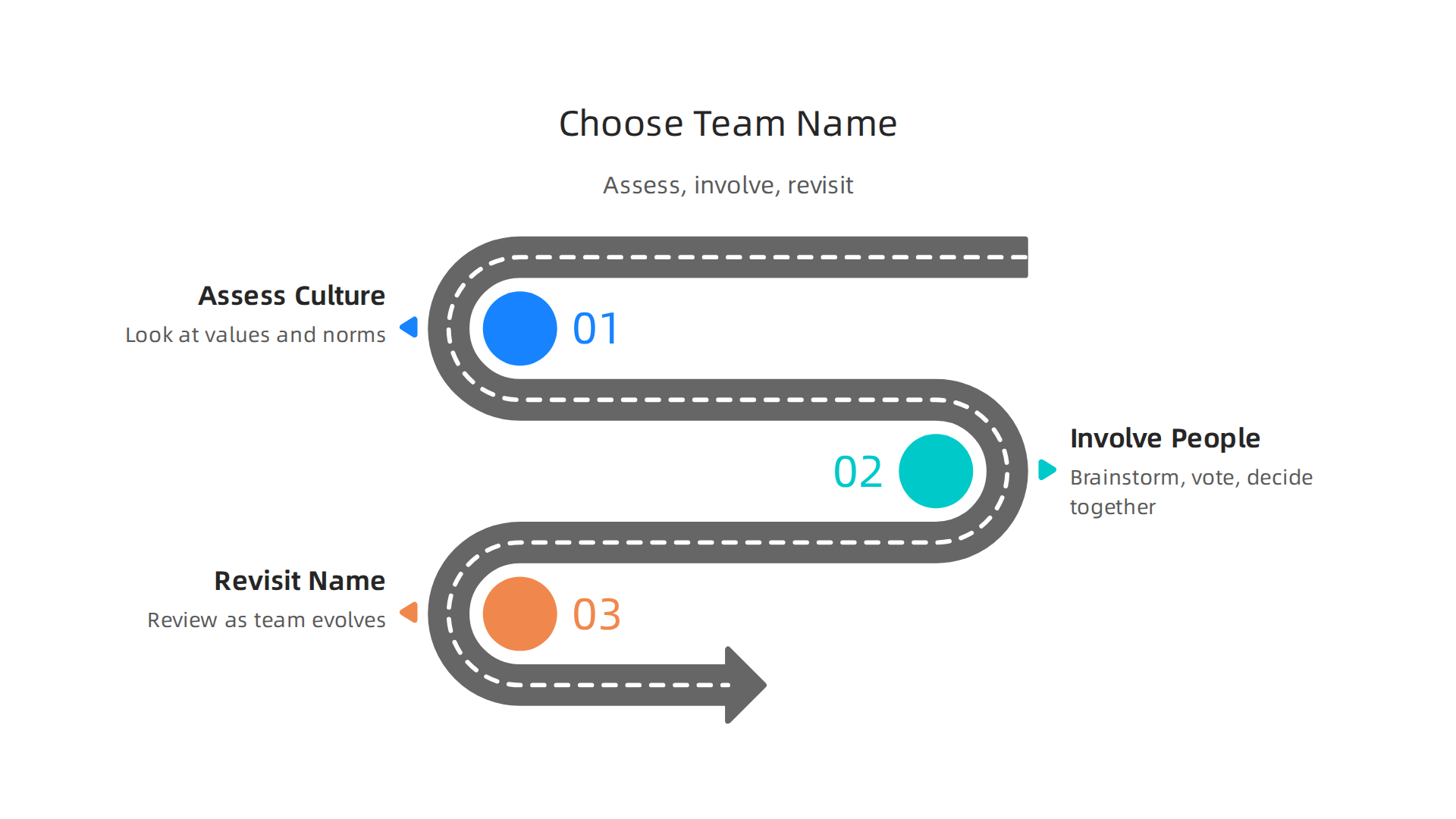
Step 1: Look at Your Team’s Values and Norms
Before you pick a name, think about what your team stands for. Are you a group that values creativity and spontaneity? Or do you need a label that signals structure and seriousness? The Gammatica guide on team names suggests choosing names that clearly reflect team function and goals for relevance. Also, make sure the name resonates with company culture.
For example, a marketing team that loves humor might call themselves "The Idea Squad." A finance team that needs precision might prefer "The Oversight Council." The name should match the work you do and the vibe you create.
Step 2: Bring Your Team Into the Process
You already know from the psychological section that giving people a say builds ownership. But how do you do it well? The Bookelevent blog on team names recommends allowing time for choosing names and setting ground rules on what’s appropriate. Start by asking everyone to brainstorm ideas. Then narrow it down together. Let people vote on their favorites.

This activity for team building can be a quick and fun way to build connection. It also makes sure the name feels right for everyone, not just management.
Step 3: Revisit the Name as the Team Evolves
Teams change. People join, people leave. Goals shift. A name that worked two years ago might not work today. The Microsoft Learn article on Teams naming conventions advises keeping acronyms short and avoiding emojis that might not age well. But more importantly, check in with your team every few months. Ask: "Does this name still fit us?"
If the answer is no, it’s okay to change it. Flexibility shows that you care about the team’s identity, not just a label you picked once.
Making It Stick
Choosing the right name is part of building a strong culture. It helps people feel connected and clear about their purpose. For more practical tips on improving how your team works together, check out our guide on team dynamics and what they really mean.
And if you want to lighten the mood and get your team laughing together, a silly story can be a great icebreaker. Give Your Team a Laugh with a clever sci-fi comedy that sparks conversation without any pressure.
Remember, the name you choose is just one piece of the puzzle. But when you pick it with care and involve your people, it can make a real difference in how your team shows up every day.
Summary
This article explains why the words you use to label a work group matter and offers practical alternatives to the generic term