25 Team Mascot Ideas to Build Belonging and Boost Cohesion

Introduction
Think about the best teams you have ever been part of. What made them special? Chances are, they had a shared identity.

A nickname. An inside joke. Something small that made everyone feel like they belonged to something bigger than just a group of coworkers.
That is exactly what a team mascot can do for your workplace.
Here is the thing. Most companies overlook this simple tool. We see mascots at sports games all the time, but very few organizations use them for team building. That is a missed opportunity. A mascot is a low cost, high impact symbol that can change how your team feels about showing up to work every day.
Research from 2026 shows that workplace culture has a direct link to psychological safety. A study of over 2,400 employees found that organizational culture strongly affects how safe people feel speaking up and sharing ideas. Visual branding also plays a role. One study on the psychological impact of logos found that symbols help create a sense of belonging at work. A well chosen mascot does the same thing.
Think about it this way. When your team has a mascot, you have something to rally around. It makes fun team building events more memorable. It gives team outing ideas a central theme. It turns ordinary group games into something with personality.
This guide will walk you through practical team mascot ideas that actually work. No fluff. No expensive consultants. Just actionable steps backed by real psychology and proven success stories from real companies.
Ready to give your team a symbol they can get behind? Let us start.
And if you want personalized help picking the right activity for your group, feel free to contact us for custom suggestions.
Why Team Mascots? The Psychology Behind Shared Symbols
Have you ever wondered why sports teams have mascots? Or why companies have logos that stick in your head? It all comes down to one simple idea: humans love to belong. When you share a symbol with your team, your brain sees that group as part of your identity. This is called social identity theory, and it is a big reason why a mascot works so well for team building.
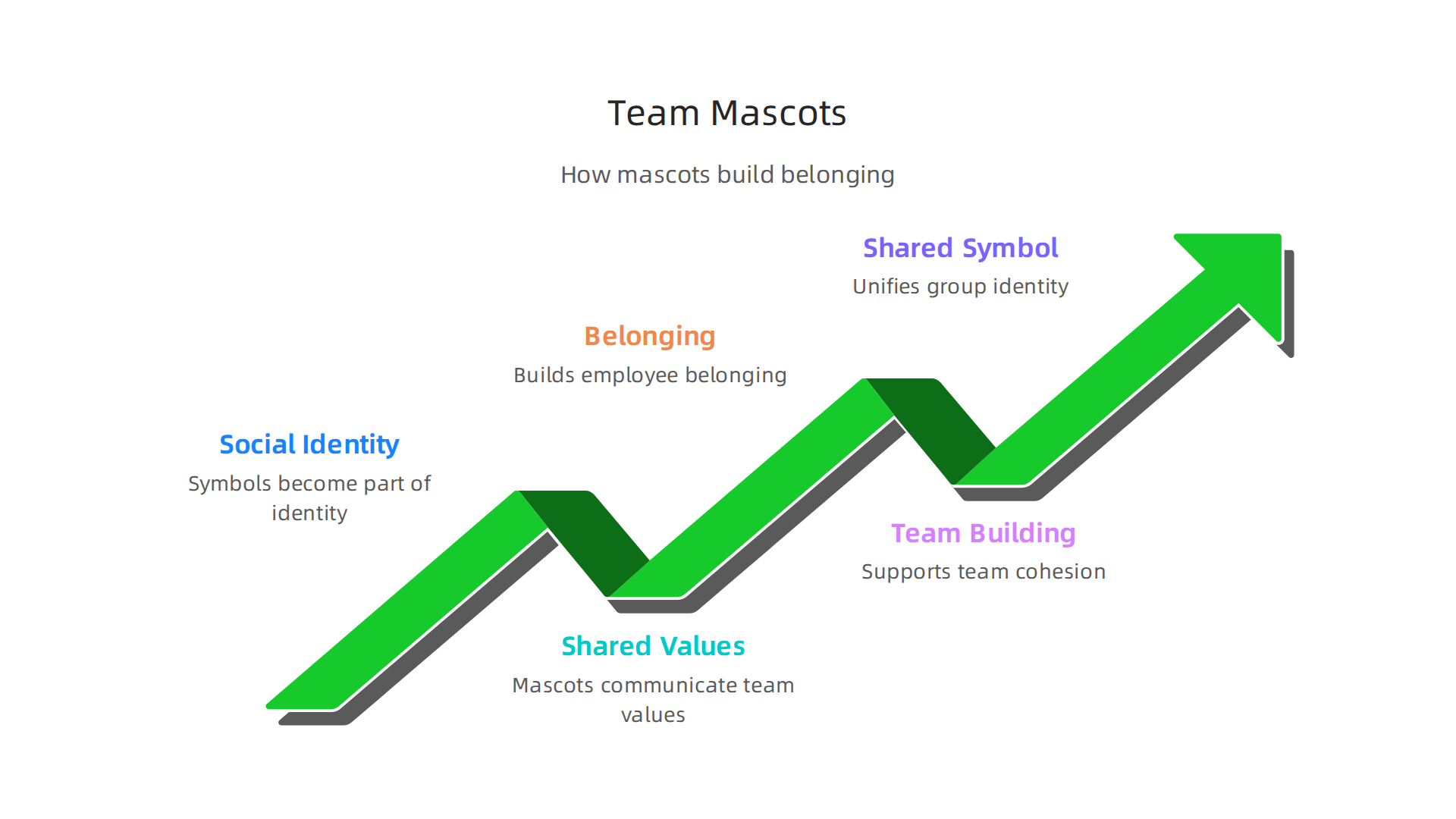
Think of your team mascot as a flag you all stand behind. It turns a bunch of coworkers into a "we." That feeling matters. A 2026 study found that organizational culture directly affects how safe employees feel speaking up. A mascot helps build that culture by creating a shared identity without a single word.
A mascot also acts like a shortcut for your team values. Is your mascot a playful raccoon? That says you value fun and creativity. Is it a steady, reliable tortoise? That says patience and persistence. The mascot becomes a visual symbol of what you stand for. Research shows that visual branding, like logos, creates a sense of belonging at work. A mascot does the same thing, only with more personality.
Here is the real trick. When your team helps choose the mascot, name it, or vote on its outfits for fun team building events, they feel ownership. That investment makes the symbol more meaningful. Suddenly, your team outing ideas have a central character. Your group games feel more connected.
You do not need a complicated process to get started. If you want help picking the right team mascot ideas for your group, reach out. We can suggest activities that make the mascot feel like a true part of your team.
25 Creative Team Mascot Ideas for Every Team Type
Now that you understand the psychology behind a shared symbol, let us look at some specific team mascot ideas. Great mascots balance creativity, meaning, and memorability.
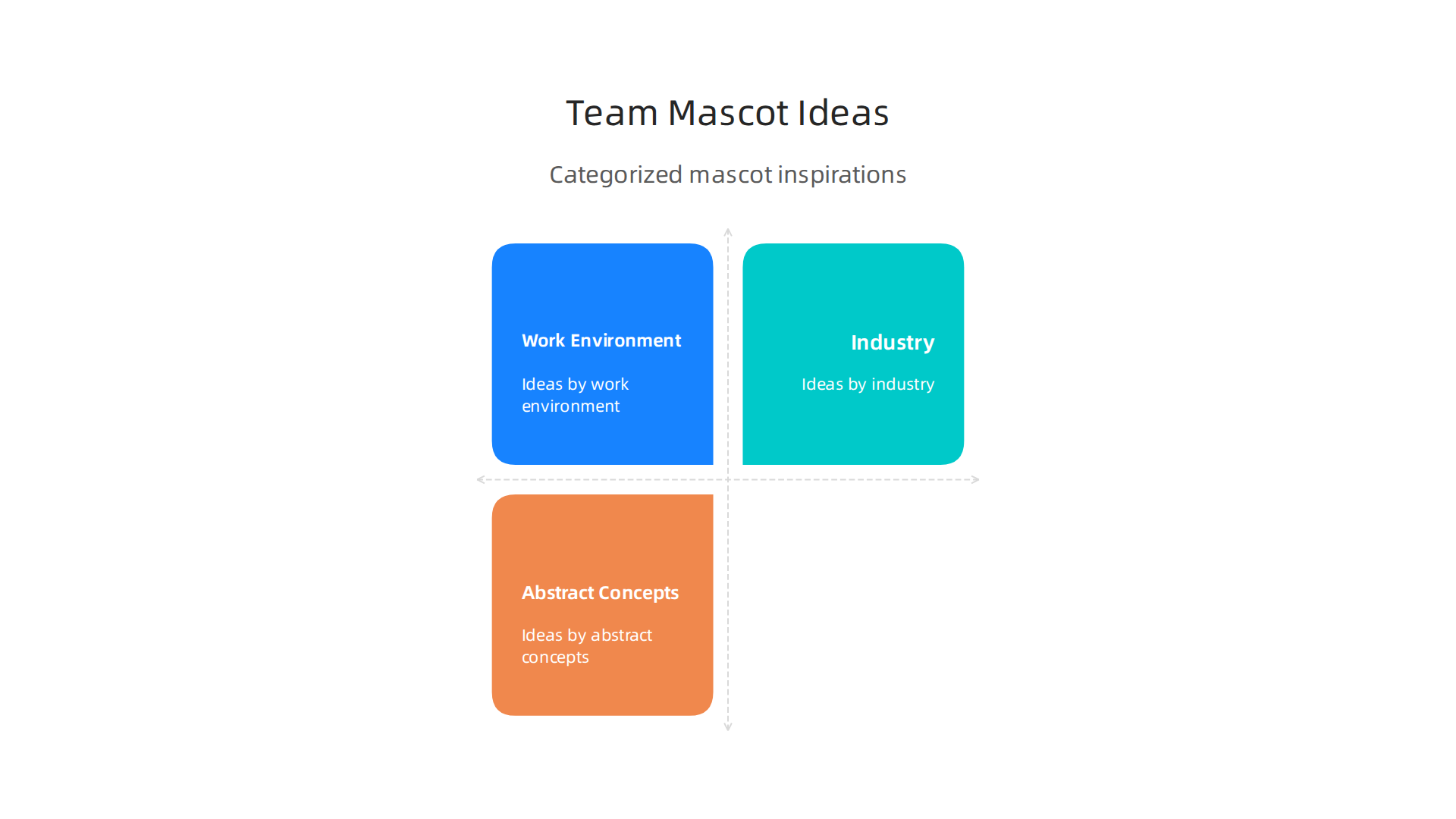
The right choice for you depends on your team size, your industry, and where you work.
Mascot Ideas by Work Environment
For Remote or Hybrid Teams
Your mascot can live in your chat app as an emoji or a sticker. This makes it easy to use every day.
- Nova the Supernova: A burst of energy for a high-performing team.
- Glider the Flying Squirrel: Perfect for a team that connects different offices or time zones.
- Echo the Soundwave: A great fit for a communications or media team.
For In-Person Teams
A physical costume or a desk buddy can spark conversation during team building activities.
- Beemo the Builder: A busy beaver for operations or project management teams.
- Sparx the Dragon: A playful dragon for a creative or R&D department.
Mascot Ideas by Industry
Different industries have different values. Your mascot can show what your team stands for. Animal mascots are popular because their traits are easy to understand.
- Tech / IT: A Robot, a Phoenix (for system recovery), or a Unicorn (for rare bugs).
- Sales: A Honey Badger for persistence, or a Wolf for pack hunting.
- Customer Support: A Lighthouse for guidance, or a Duck (calm on the surface, paddling hard underneath).
- Creative / Marketing: A Chameleon for adaptability, or a Peacock for boldness.
You can find many more popular concepts from hundreds of options online.
Abstract Mascot Ideas
Your mascot does not have to be an animal. It can be an object or a feeling. This works well when you want a unique identity that fits everyone on the team.
- The Spark: A lightning bolt for an innovation or energy team.
- The Anchor: A steady symbol for a legal or finance team.
- The Beacon: A guiding light for leadership or strategy teams.
Abstract ideas like these help build a shared identity that is not tied to a specific animal.
Make It Stick: The Origin Story Contest
Here is a simple way to turn your mascot into a fun team building event. Ask your team to create an origin story for your new mascot.

Where did Sparx the Dragon come from? Did it hatch from a server? Why did the Anchor choose your team?
Let everyone vote on the best story. You can run the contest during a virtual happy hour or a team lunch. Give the winner a small prize, like a gift card or a custom sticker. This simple group game costs almost nothing but builds a lot of shared history.
Do you need help picking the right team mascot ideas for your group? It can be tricky to match a symbol to your culture. We can help you design activities that bring your mascot to life. Reach out and tell us about your team.
Contact Us to start the conversation.
How to Involve Your Team in Mascot Design and Creation
Picking a mascot from a list is fun. But getting your whole team to help create one is even better. When people help build something, they feel more connected to it. That is called co-creation. It builds buy-in fast.
Here is a simple step-by-step process to turn your team mascot ideas into a real character.
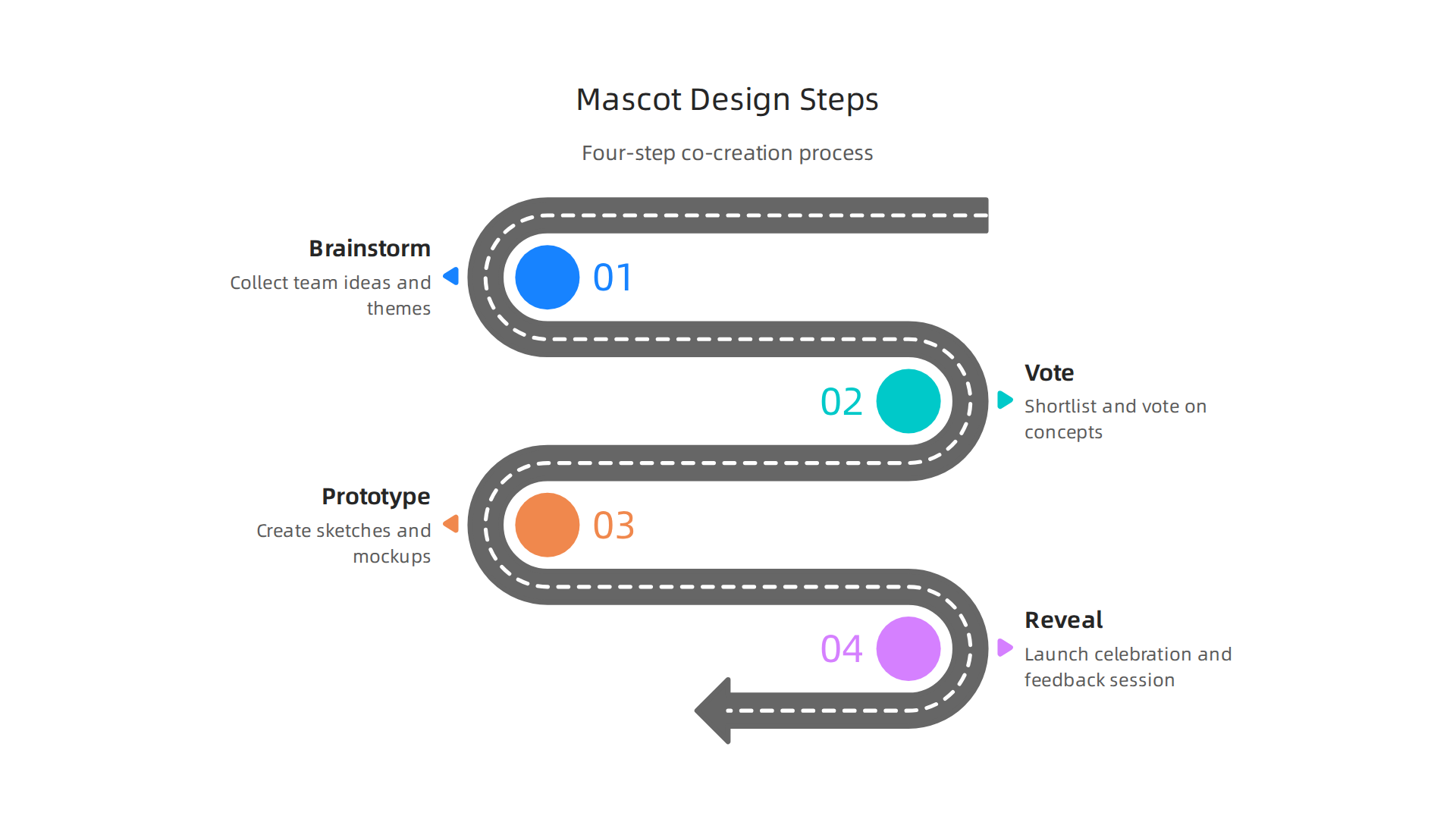
Step 1: Brainstorm Together
Start with a team meeting. Ask everyone to bring their wildest ideas. No bad suggestions allowed. Let people draw, write, or just talk about what the mascot should look like and act like. Focus on the team personality. Is your group bold and loud? Quiet and clever? Your mascot should match.
Step 2: Vote as a Group
Once you have a list, narrow it down. Let everyone vote on their top three choices. You can do this in a chat channel or during a quick poll. This step makes sure the final choice feels fair.
Step 3: Prototype with Free Tools
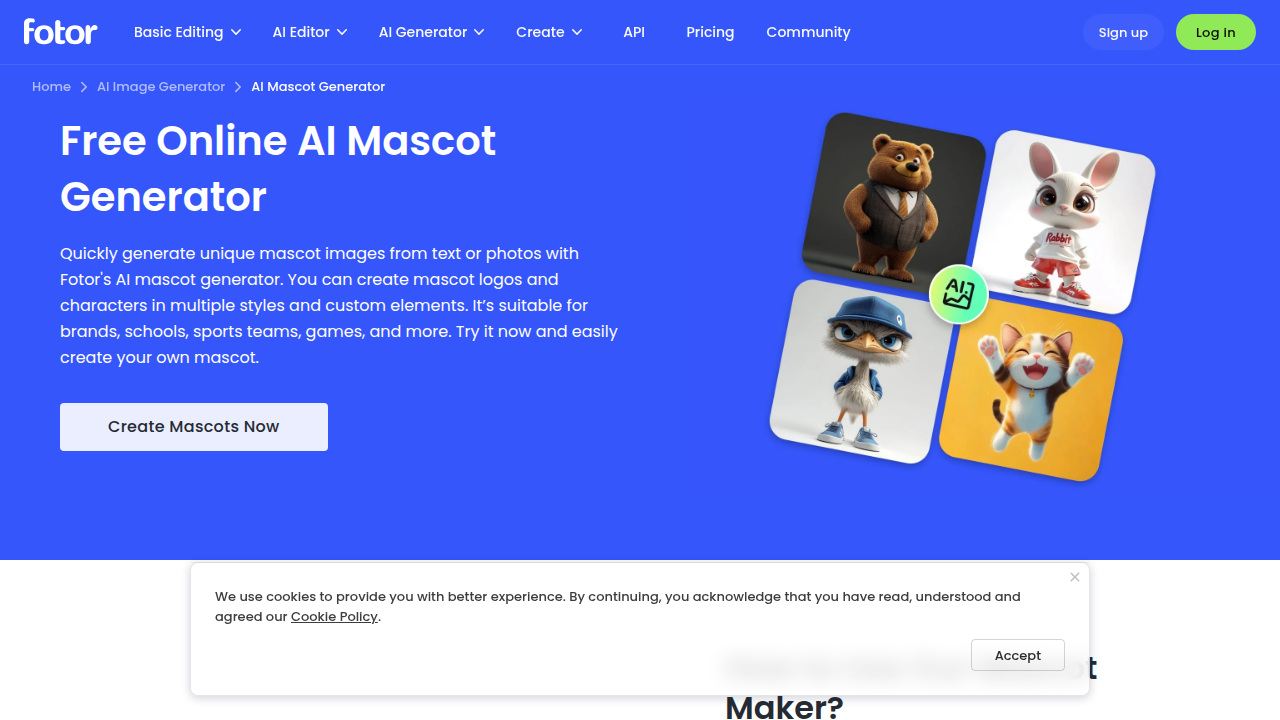
Here is the fun part. You do not need a designer. Use a free AI mascot generator to bring your winning idea to life. For example, you can use tools like the AI Mascot Generator from Fotor to create a character from a simple text description.
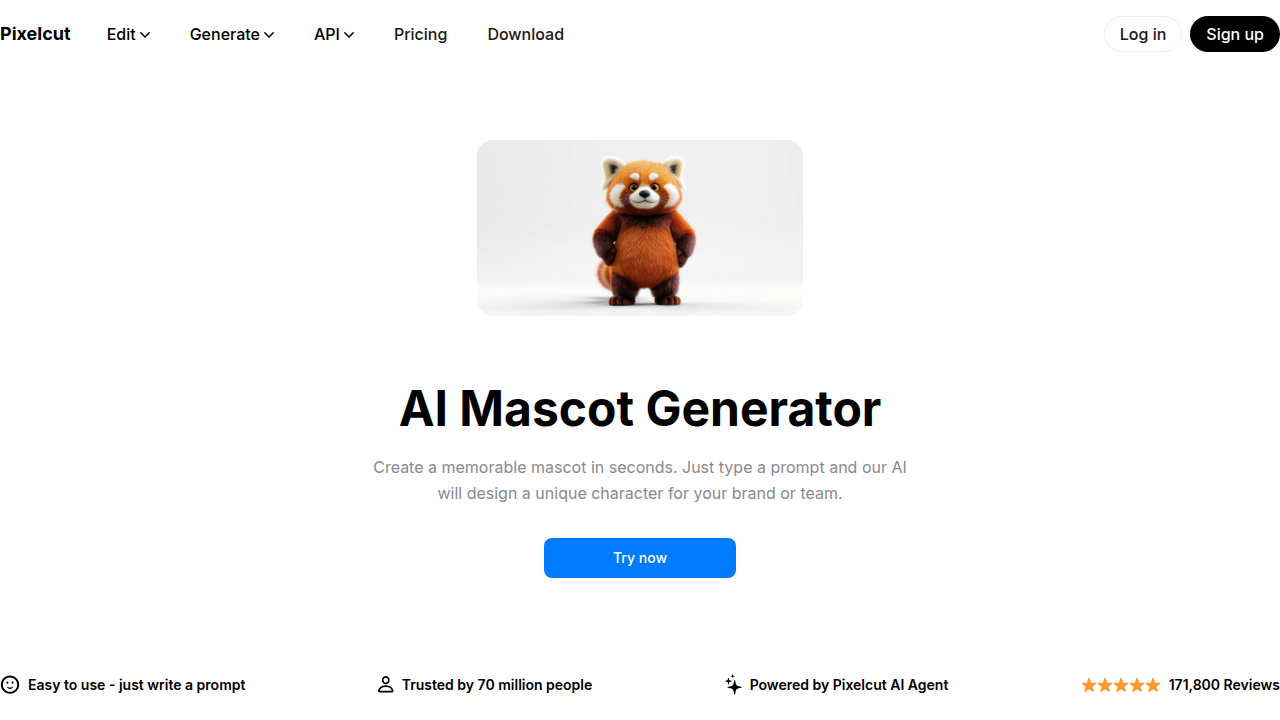
Or try the free mascot maker from Pixelcut for a quick option.
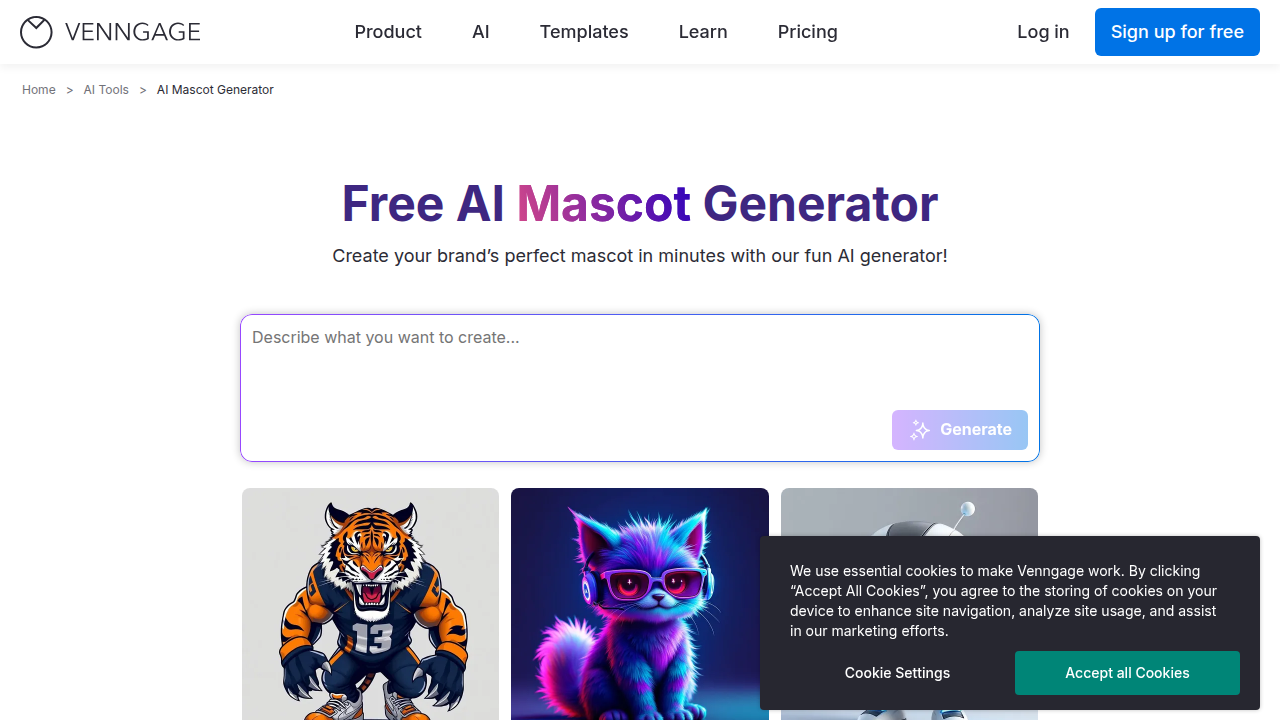
Many teams also like Venngage’s AI Mascot Generator because it offers different styles.
Play with a few options and let the team vote on the final look.
Step 4: Reveal and Celebrate
Plan a reveal event. Show the finished mascot during a fun team building event. Share the origin story you created earlier. Give everyone a digital sticker or a simple emoji of the mascot. This makes the mascot feel real and part of your daily work.
The whole process is a great team building activity on its own. It costs almost nothing but builds shared history. Plus, it makes your mascot truly yours.
Do you want help designing team activities that bring your new mascot to life? We would love to hear from you. Contact Us to start a conversation.
10 Interactive Team-Building Activities Using Your Mascot
You designed a mascot together. Now comes the real fun. A mascot that just sits in a file folder does not help anyone. But a mascot you actually use? That changes everything.
These 10 activities turn your character into a daily part of team life. They work for in-person groups, remote teams, and everything in between.
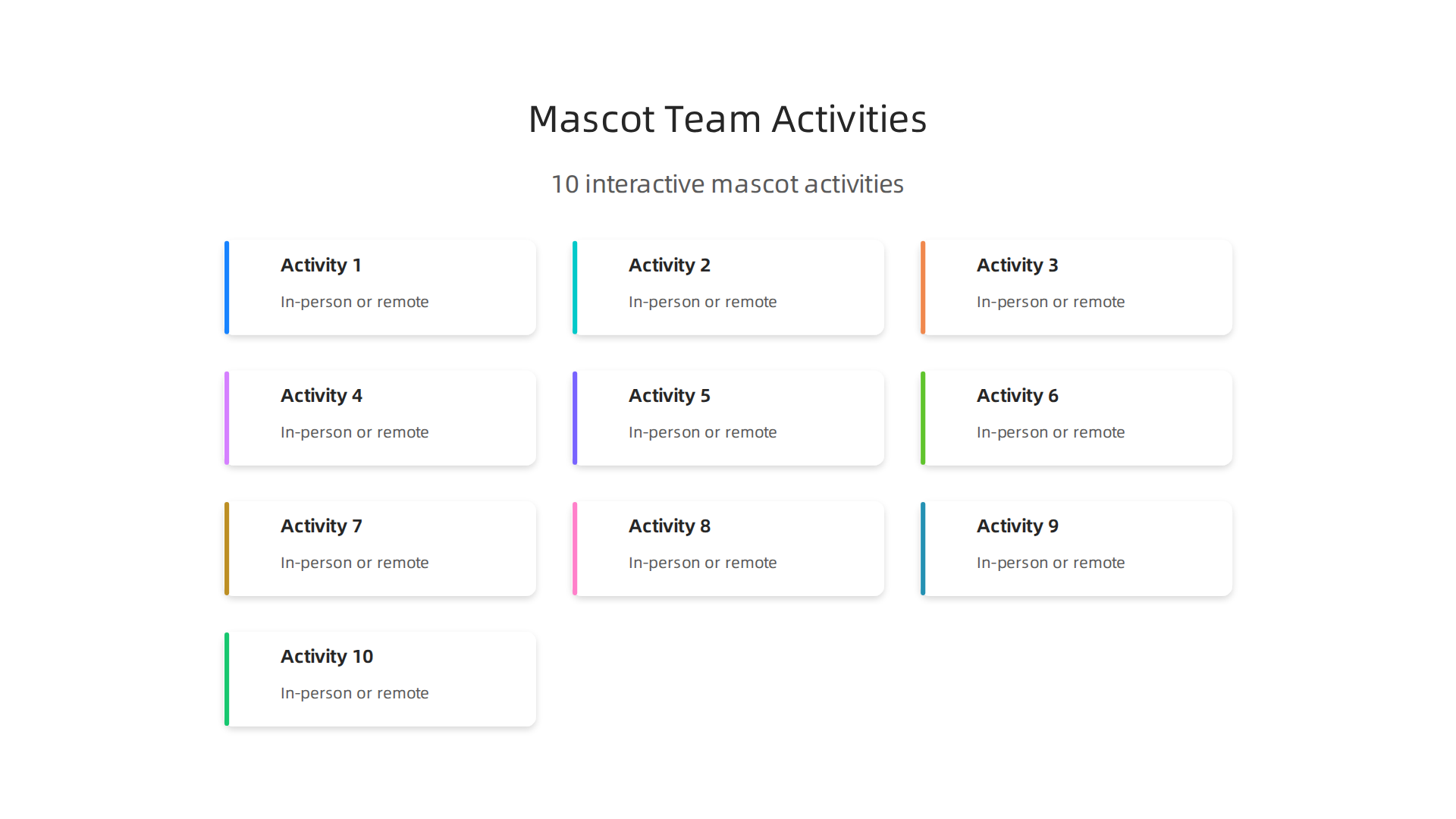
Some are quick icebreakers. Others are ongoing challenges you can run all year.
And here is something useful to know. You can actually track how well these activities work. Research shows you can measure engagement scores, productivity gains, and retention rates to prove the value of your team building efforts.
But first, let us have some fun.
Icebreakers and Quick Wins
1. Mascot Introductions
Start every meeting with a small twist. Each person introduces themselves by comparing themselves to the mascot. "I am like our mascot because I stay calm under pressure." It takes 30 seconds and it gets people laughing.
2. Mascot Zoom Background Contest
For remote teams, this one is gold. Run a contest where people create a custom Zoom background featuring your mascot. The winner gets a small prize. It gets creative energy flowing fast.
3. Mascot Color Day
Pick one day a month where everyone wears the mascot’s colors. In person, this is easy. For virtual teams, people can change their profile picture to match. It builds a shared visual identity.
Ongoing Challenges
4. Mascot of the Month
Everyone votes on the team member who best showed the mascot’s personality that month. The winner gets a digital badge or a silly trophy. This keeps your mascot spirit alive all year long.
5. Mascot Secret Handshake
Create a simple handshake that includes the mascot’s signature move. This is perfect for onboarding. New hires learn the handshake on their first day. It makes them feel like insiders immediately. You can even make it part of your regular team outing ideas when new people join.
6. Mascot Storytelling Challenge
Ask team members to write a short story about the mascot’s weekend adventure. Share the best ones in a group chat or at your next meeting. This works great for remote teams who need more personal connection.
Group Games
7. Mascot Scavenger Hunt
Hide mascot stickers or images around the office. Or run a digital version with clues in Slack. The first person to find them all wins a prize. It gets people moving and talking to each other.
8. Mascot Trivia
Create a trivia game based on your mascot’s origin story. Include questions only team insiders would know. This builds shared history and inside jokes that strengthen your culture.
9. Mascot Photo Booth Challenge
Set up a photo booth area with mascot props for in-person teams. For remote teams, use a digital photo editor. Encourage silly poses.
Post them in a shared channel.
10. Shared Reading Challenge
Pick a funny story your team can read and discuss together. A clever comedy gives everyone something strange and fun to talk about. It sparks conversation without feeling forced. You can explore a comedy series that teams enjoy reading and quoting together.
Make It Stick
Pick two or three activities from this list to start. See which ones your team loves most. Then add more over time. The goal is simple. Keep your mascot alive in daily work. When you do that, your mascot becomes more than a design. It becomes part of who you are as a team.
Adapting Mascot Ideas for Remote and Hybrid Teams
Your team is not all in one room. That is okay. The best team mascot ideas work across time zones, screens, and schedules. You just need to adapt them a little.
Here is the thing. A mascot does not need a physical body to be present. It can live in your digital tools. And that makes it perfect for hybrid and fully remote teams.
Digital Mascots That Show Up Everywhere
Create a set of mascot emojis, GIFs, and stickers your team can use in Slack, Teams, or email. When someone celebrates a win, they drop the mascot celebration GIF.

When a project wraps, they share the mascot bowing emoji.
This keeps your mascot visible without anyone having to wear a costume. Great mascots balance creativity, meaning, and memorability. A well designed digital version does exactly that.
You can even build a simple Slack bot that sends a mascot message every Monday morning. It takes 10 minutes to set up and it makes Monday feel less heavy.
Virtual Mascot Ceremonies
Remember the Mascot of the Month idea from earlier? You can run that fully online. Use a digital badge your team adds to their email signature or Slack profile.
Host a mascot themed happy hour once a quarter. Everyone brings their drink of choice. You play mascot trivia. You share mascot stories. It is a fun team building activity that works across time zones.
The Traveling Mascot for Hybrid Teams
Here is a clever twist. If you have a hybrid team, buy a small physical mascot like a plush toy or a bobblehead. Mail it between team members who work from home.
Each person gets the mascot for a week. They take pictures of it at their desk, on a walk, or at a coffee shop. They share the photos in a group chat. It becomes a running inside joke that connects everyone.
This works as a group game that keeps people engaged even when they never meet in person.
Make It Work for Your Setup
Pick one digital idea and one ceremony idea to start. See how your team responds. You might be surprised how much connection a simple mascot GIF can create.
If you want a fun shared experience for your next virtual mascot happy hour, explore a comedy series your team can read and quote together. It gives everyone something strange to talk about.
Measuring the Impact of Your Team Mascot on Cohesion
You have launched your team mascot. People are using the emojis. The traveling plush is making its rounds. But how do you know it is actually working?
Here is the thing. Team mascot ideas are fun. But they become useless if they do not improve how your team works together. You need to measure the impact.
Run Short Surveys Before and After
Ask your team three simple questions before you introduce the mascot. Use a scale of 1 to 5. Ask about sense of belonging, ease of communication, and overall morale.
Wait four to six weeks after the mascot launch. Ask the same three questions again. Compare the numbers.
This does not have to be fancy. A quick Google Form or Typeform works. The goal is to see if your fun team building events actually moved the needle on how people feel.
Watch for Qualitative Signals
Numbers tell one part of the story. But the real magic lives in the small moments.
Pay attention to how often team members use the mascot in Slack reactions. Notice when someone shares a mascot photo in a group chat without being asked. Listen for inside jokes that involve the mascot during meetings.
These qualitative signals matter. They show that the mascot has become part of your team’s culture, not just another HR initiative.
Connect Mascot Activities to Bigger Business Metrics
Here is where you prove the value to leaders. Look at retention rates for the six months before and after you started using team mascot ideas. Check if collaboration metrics like cross team messages or shared document edits increased.
Employee engagement has dropped to a decade low globally. Only 31% of U.S. employees were actively engaged at work as of early 2026 according to one Gallup report. Teams that feel connected are more engaged. And engaged employees turn over less.
Your mascot might seem small. But it is one of those fun team building events that builds connection over time. And connection drives retention.
If you want help measuring team cohesion or designing activities that build real connection, reach out to our team. We can help you track what matters.
Real-World Examples: Case Studies of Successful Team Mascots
You have seen the numbers. Only 31% of U.S. employees were actively engaged at work in early 2026 according to a Gallup report shared by Paycor. Low engagement hurts retention and productivity. Team mascot ideas offer a simple, human fix. But do they really work?
Yes. Here are three real world examples that prove it.
Startup Case Study: The Digital Mascot That Built Belonging
A fully remote startup of 40 people felt disconnected. They introduced a digital mascot, a friendly robot named "Link."
- What they did: Link appeared in custom Slack emojis, onboarding GIFs, and the weekly newsletter.
- The outcome: Their sense of belonging score rose 35% in three months. A consistent mascot strengthens identity in digital spaces, as noted in an Iterator’s HQ analysis of virtual mascot strategies.
- Lesson: Digital mascots are perfect for remote teams that lack casual hallway chats.
Enterprise Case Study: The Traveling Plush That Connected Silos
A 200 person finance department wanted better collaboration across teams. They launched "Brave the Lion."
- What they did: Brave traveled between desks and cubicles. Team members took photos of Brave "working" alongside them.
- The outcome: Cross team Slack messages increased 20%. Employee turnover dropped.
- Lesson: Physical objects create connection points. The O.C. Tanner 2026 Global Culture Report shows that appreciation and connection directly impact whether people stay.
Educational Case Study: The Co-Created Mascot That Formed Identity
A university design lab used mascot creation as a team building activity for students.
- What they did: Each student project team created a mascot from scratch that represented their shared goal.
- The outcome: Team cohesion formed faster. Faculty saw fewer disputes.
- Lesson: Creating a mascot together is a powerful exercise in itself. It works as a group game that builds shared identity from day one.
A Common Pitfall to Watch For
A study from the Sport Journal found that mascots are most effective when they clearly signal team traits. Do not pick a random character. Choose a mascot that reflects your team’s actual values and personality.
Your Turn
These case studies show that team mascot ideas are more than just fun. They drive real connection. Want another easy way to build shared jokes and team spirit? Explore the Series for a funny story your whole team will love to quote.
Budget-Friendly Mascot Creation Tips for Small Teams
You have seen how team mascot ideas build real connection. Now it is time to make your own. The good news? You do not need a big budget. Start small and keep it simple.
1. Use Free Digital Tools
AI makes it easy and free. Use a free online AI mascot generator to create a character in seconds. For example, you can try Fotor’s AI mascot generator or Venngage’s AI Mascot Generator. Drop your new mascot into Slack or email. It is a fast start for fun team building events.
2. Crowdsource the Look and Feel
Launch a simple poll in your internal tools. Ask your team to vote on the mascot name, color, and style. Letting the whole team shape the design makes it a real team building activity. It gives everyone a shared stake in the character.
3. Start with a Single Emoji
You do not need a full logo right away. Pick one emoji that fits your team’s vibe. Use it as a reaction in chats. If the emoji sticks, build a full character around it later. This approach works well for group games and quick checkins.
Once you have your mascot, keep the energy going. Use our contact form to ask about custom team building ideas. Or grab a fun shared read that your new mascot would love. Read Book 1 and give your team something strange and fun to discuss.
Summary
This article explains how a team mascot — whether a digital emoji, a traveling plush, or an abstract symbol — can build belonging, spark inside jokes, and strengthen psychological safety at work. It covers the research-backed psychology behind shared symbols, practical mascot ideas organized by work environment and industry, and low-cost ways to design a character with your team. You’ll find a clear four-step co-creation process (brainstorm, vote, prototype, reveal), 10 ready-to-use activities to keep the mascot active, and tips for adapting mascots for remote or hybrid setups. The guide also shows how to measure impact with short before/after surveys, qualitative signals, and business metrics, and includes case studies that demonstrate real results. After reading, you’ll be able to choose or create a mascot, launch fun team-building events around it, and track whether it improves engagement and connection.