10 Proven Alternatives to the Classic Synonym for Team Building

Introduction: Why Your Vocabulary Matters for Team Dynamics
Have you ever noticed how the right word can change everything? Think about it. When someone says "mandatory fun day," your shoulders tense up. But if they say "collaboration session," you might actually feel curious. Words carry weight. They shape how we feel before we even show up.
The same is true for the term "team building." For lots of people, those two words bring to mind awkward trust falls and cheesy icebreakers. But here is the thing. The actual activities behind that label can deliver serious results. Businesses that run regular team building see a 36% higher employee retention rate.

A separate survey found that 63% of leaders noticed better communication after these sessions. The problem is not the activity. The problem is often the name.
That is why finding the right synonym for team building matters. The right label can shift how your team sees the whole experience. It can turn a groan into genuine interest. It can turn a boring box to check into something people actually want to join.
In this article, we share 10 proven alternatives to the classic phrase. Each one comes with real research and practical tips. Whether you need fresh synonyms of team player for your next meeting or a better team definition that gets people excited, you will find ideas that fit your group.
And if you want a lighter way to start, sometimes a funny shared story works better than any formal exercise. It sparks conversation without feeling forced. Sometimes a simple laugh is the best team building idea of all.
Let us dive into the first alternative on our list.
1. Team Bonding — The Emotional Connector
Here is the thing about the right synonym for team building. It changes how people feel before they even walk in the room. Take "team bonding" for example. Traditional team building focuses on tasks. Finish the puzzle. Build the tower. Beat the clock. Team bonding focuses on feelings. It is not about what you complete. It is about how you connect.
That distinction matters a lot. Team bonding prioritizes emotional connection over task completion. It creates space for trust, belonging, and real human interaction. Research backs this up. A healthy team culture with strong social cohesion leads to better performance and higher retention. Companies with regular team activities see a 36% higher retention rate. And 63% of leaders noticed better communication after these sessions.
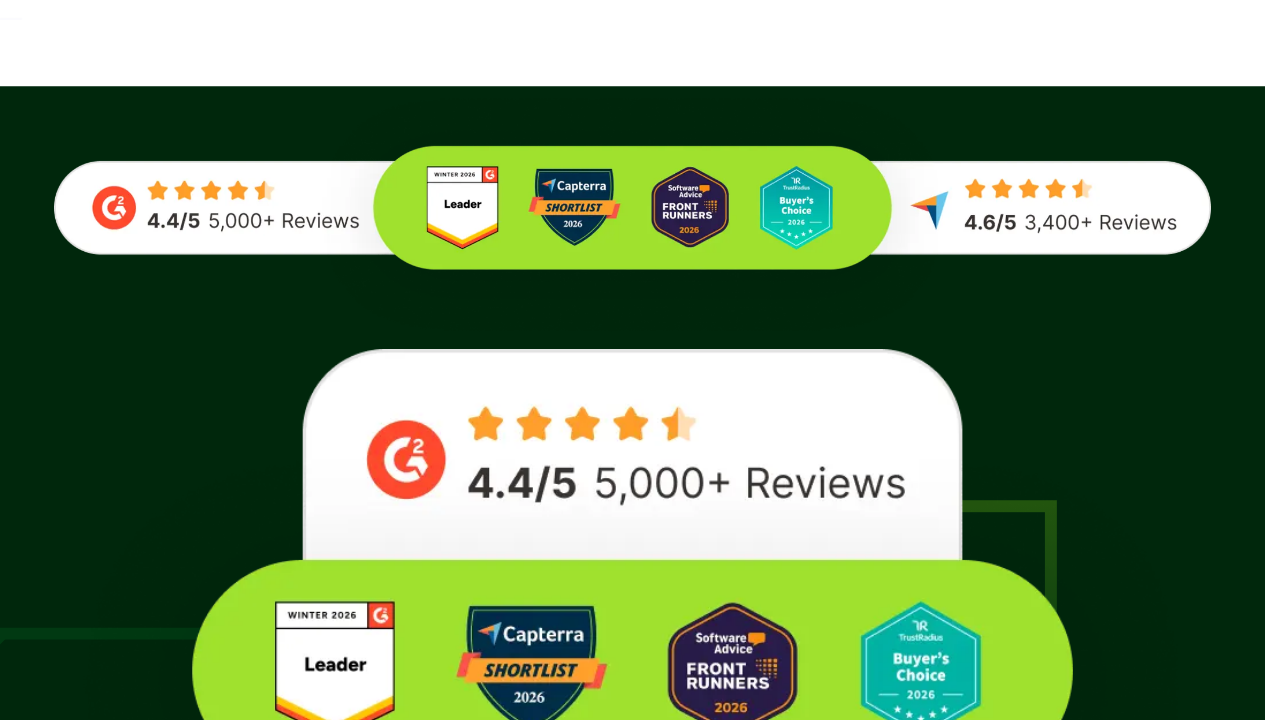
When activities build genuine connections between colleagues, retention improves.
Team bonding works best in two settings. First, onboarding. New hires need emotional glue from day one. Second, retreats. Without deadline pressure, people open up naturally. The word "bonding" shifts the whole vibe. It sounds warm. It sounds safe. It tells your team you care about them as humans, not just workers.
For help choosing the right label for your group, read this guide on finding another name for team. And if you want activities that build real trust, check out these free play team building activities.
Need a Lighter Team Idea? A funny shared story can spark conversation without feeling forced.
2. Team Cohesion — The Performance Driver
Team bonding is all about feelings. Team cohesion is about something different. It is about how well a group works together toward one shared goal. Think of a sports team that moves as one unit. Or a military squad that trusts each other with their lives. That is cohesion in action.
Team cohesion is a powerful synonym for team building that focuses on unity and shared purpose. When a team has strong cohesion, people know exactly what they are working for. They trust each other to do their part. And that drives real results.
The numbers back this up. Companies with high team cohesion see a 25% boost in performance. They also cut absenteeism by 41%. When everyone feels like they are part of something bigger, they show up and give more. A healthy team culture with strong cohesion directly improves performance and retention.
Cohesion is especially common in high-stakes settings. Emergency rooms, military units, and championship sports teams all rely on it. They cannot afford miscommunication or weak links. Every person must know their role and trust the person next to them.
For everyday teams, building cohesion means clarifying the mission. It means making sure everyone knows the "why" behind the work. It also means practicing together until the group moves like one machine. That is what turns a group of individuals into a true team.
If you want to explore other ways to describe this kind of unity, check out this guide on team building synonyms to reframe your next collaboration session.
Need a Lighter Team Idea? A funny shared story can spark conversation without feeling forced, which is a great first step toward real cohesion.
3. Collaboration Activities — The Action-Oriented Term
While team cohesion is about how a group feels, collaboration activities are about what a group does. Think of it as the hands-on synonym for team building. It is all about people working together on real tasks to get things done.
You hear "collaboration" a lot in agile and project management settings. That is because these fields care about results. When teams run a sprint, solve a problem, or ship a product, they are doing collaboration activities. The focus is not just on bonding. It is on achieving a common goal.
Here is the thing: collaboration activities are easy to measure. You can track how many projects a team completes on time. You can look at how the team handles blockers. According to research from 2026, team building activities that focus on collaboration actually improve trust and teamwork in measurable ways. This guide from Monday.com shares over 50 ideas for stronger, more connected teams, many of which are perfect for agile environments.
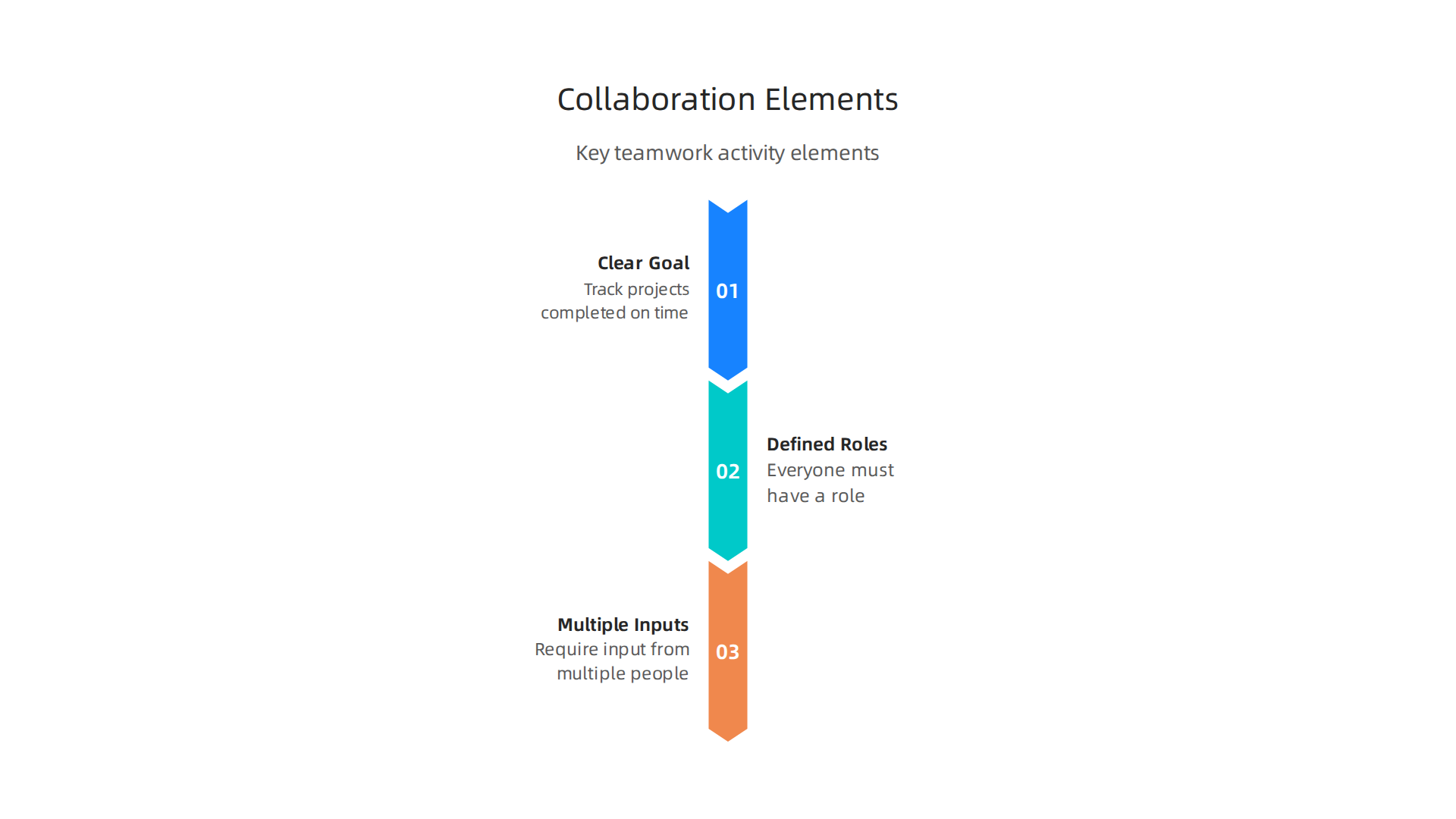
So what makes a great collaboration activity? It needs a clear goal. Everyone must have a role. And the work should require input from multiple people.
For example, a design sprint, a group brainstorming session, or a cross-functional project kickoff all count. These activities give immediate feedback. You can see if the team hit the target or not.
If you are looking for fun ideas that still drive real teamwork, you can explore these team building games that work for any setting. They make the whole team player feel engaged without forcing awkward icebreakers.
Try a Fun Shared Read A light sci-fi comedy can spark conversation and curiosity among teammates, which is an easy way to start collaborating on a different level.
4. Team Integration — Smoothing New Hires and Mergers
While collaboration activities focus on completing tasks, another powerful synonym for team building is team integration. This term works best when your group is changing shape. Think about a new hire starting their first week. Or think about two departments combining after a merger.
Team integration is all about reducing the time it takes for new members to feel like insiders. Instead of leaving them to figure things out alone, you actively connect them to people and processes. A well planned onboarding experience is essential in 2026. According to InfoPro Learning, effective onboarding includes clear cultural integration from day one.
What does this look like in practice? Structured mentorship programs are a big part of it. When a new hire has a buddy, they learn the unspoken rules faster. Shared lunches and social events also help. Lumos explains that these activities are one of the most effective ways to help new hires integrate into company culture. These moments are a direct synonym for team building because they intentionally build relationships.
If you are leading a team through a merger, integration activities help blend different cultures. They show everyone that they are now part of something new. For a deeper look at how these relationships form, read our guide on what it really means to be a team player.
One creative and low pressure way to kick off team integration is through a shared experience. A lighthearted story can give everyone a common reference point and make conversations easier.
Give Your Team a Laugh with a Fun Shared Read
5. Icebreakers — The Quick, Low-Stakes Ice Melter
You have a new person joining the video call. Or maybe it is the first team meeting after a merger. Everyone is quiet. The silence feels heavy. What do you do?
This is exactly when you need a solid synonym for team building: an icebreaker. Icebreakers are short, low pressure activities that last 5 to 15 minutes. That short time is key. It lowers resistance. People are more willing to join in when they know it will not take forever.

Research from 2026 shows that icebreakers do more than just fill awkward silence. They actually increase participation in the real work that follows. A good icebreaker creates what experts call psychological safety. When people feel safe, they share more ideas and give honest feedback. One simple exercise from Symonds Research helps teams feel safe to speak up right from the start. This is a powerful synonym for team building because it builds the foundation for trust.
These quick activities are perfect for virtual check ins too. Instead of jumping straight into tasks, you take a few minutes to connect as people first. You can ask a fun question or share a quick win from the week. Another study from Bay Bridge UX shows that this kind of risk taking leads to happier teams and better results.
Need more ideas for quick connection? Check out our guide on icebreaker questions for team building. And if you want a laugh that everyone can share, try a funny story that starts conversations without any pressure.
Give Your Team a Laugh with a Fun Shared Read
6. Trust-Building Exercises — The Foundation of Psychological Safety
Icebreakers are great for quick connection. But to build a team that lasts, you need something stronger. That is where trust-building exercises come in. Think of this as a deeper synonym for team building. It is not just about having fun. It is about creating real psychological safety.
When team members feel safe to take risks and be vulnerable, amazing things happen. They share honest feedback. They try new ideas without fear. Research from Bay Bridge UX shows that encouraging this kind of openness leads to happier designers and better results. That is the power of a strong team.
Trust exercises can include blindfold activities where one person guides another through a course. Or vulnerability shares where each person admits a small fear or mistake. These activities work because they lower the walls between people. A good team definition includes trust as a core ingredient.
But here is the catch. Trust exercises need skilled facilitation. If done poorly, they can feel awkward or even uncomfortable. A trained facilitator knows how to set the right tone and keep everyone safe. The Symonds Research activity is one example of a structured exercise that helps teams speak up safely.
For a deeper look at what makes teams truly click, check out our guide on how team building really works according to Google Project Aristotle. It connects directly to the idea of psychological safety.
If you want to start with something lighter that still builds trust, a funny shared story can spark real conversations without any pressure. Try a lighter team idea here.
7. Virtual Team Building — Bridging the Distance
So what happens when your team is scattered across cities or time zones? In 2026, remote and hybrid work is the norm for many organizations. But distance can make real connection much harder. That is where virtual team building comes in. Think of it as a modern synonym for team building that works through a screen.
Here is the thing. Virtual team building is not just a fallback. It is essential for keeping remote teams healthy, engaged, and productive. The Center for Leadership at Northwestern emphasizes that clear written processes and strong communication protocols are critical for virtual teams to succeed.
What does good virtual team building look like? Online escape rooms, trivia games, and collaborative challenges all work well.

According to Zendesk, teams that do regular remote activities report better communication and stronger culture.

You can find 10 virtual team building activities from Factorial that range from quick energizers to deeper problem-solving exercises.
The trick is adapting traditional activities for online settings. A scavenger hunt becomes a photo challenge where team members find items in their homes. A classic trust exercise becomes a guided storytelling session through video. The Eddy guide to virtual team building covers 22 ideas and best practices for leading successful remote experiences.
For even more inspiration, check out our full collection of team building games that work for in-person, virtual, and hybrid teams. And if you want a low-pressure activity that sparks genuine connection without a big time commitment, give your team a laugh with a clever shared story that works perfectly as a virtual read-aloud or discussion starter.
8. Teamwork Training — The Skill-Building Approach
Here is a simple truth. Teamwork is a skill you can learn. In 2026, smart organizations treat it that way. They use teamwork training, which is a structured approach that includes workshops, courses, and simulations. This is one powerful synonym for team building that focuses on professional growth.
The idea is simple. You would not hand someone a guitar and expect them to play a song. You would teach them first. Teams work the same way. They need practice to communicate, solve problems, and trust each other. People ask about synonyms of team player all the time. But the real skill is learning how to become one through training.
Research from the Center for Creative Leadership shows that holding regular face-to-face meetings and keeping the team informed of long-term changes helps virtual teams succeed. These are trainable skills, not personality traits.
What makes teamwork training different from casual activities? Measurement. You can run a pre-assessment to find weak spots. Then run a post-assessment to see real improvement. That data turns team development from a guessing game into a strategic investment.
The Zendesk guide to remote team-building activities confirms that teams doing regular structured activities build better communication and stronger culture.
If you want to dig deeper into what makes teams tick, check out our article on how team building really works according to Google Project Aristotle. It reveals the five key dynamics that separate high-performing teams from the rest.
Popular training formats include workshops, online courses, simulations, and follow-up coaching. Each one targets a different skill.
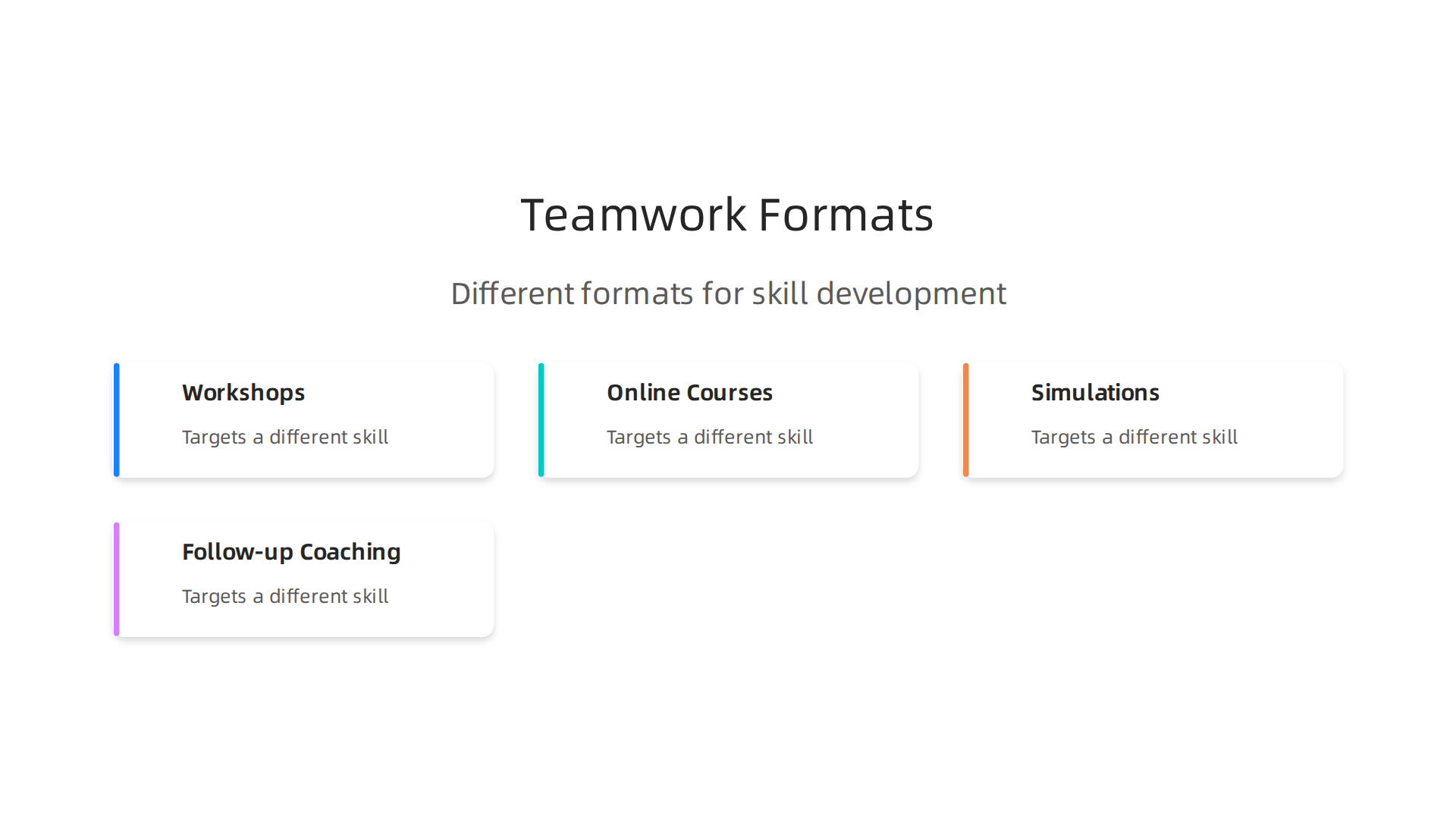
The best training programs use a mix of all four.
When you treat teamwork as a learnable skill, you stop hoping for good collaboration. You start building it on purpose. And that is the real team definition in action.
9. Group Dynamics — The Systems Perspective
Here is another way to think about it. Instead of teaching skills one by one, you step back and look at the whole group as a system. This is the group dynamics approach. It is rooted in social psychology and focuses on roles, norms, and interaction patterns. Think of it as a powerful synonym for team building that helps you diagnose what is really going on.
Every team has unwritten rules. Someone always takes notes. Someone cracks jokes. Someone stays quiet until the last minute. These patterns are not random. They form the team definition in action. When you study group dynamics, you stop guessing and start seeing the hidden structure.
Research shows that teams with strong collective intelligence make better decisions. The key is not just having smart people. It is how they interact. According to All Things Innovation, harnessing the collective intelligence of a group leads to deeper understanding of problems. That is what group dynamics helps you build.
So how do you use this lens? You look at:
- Roles: Who does what? Are these roles flexible or stuck?
- Norms: What behaviors are rewarded or punished?
- Patterns: Do the same conflicts keep showing up?
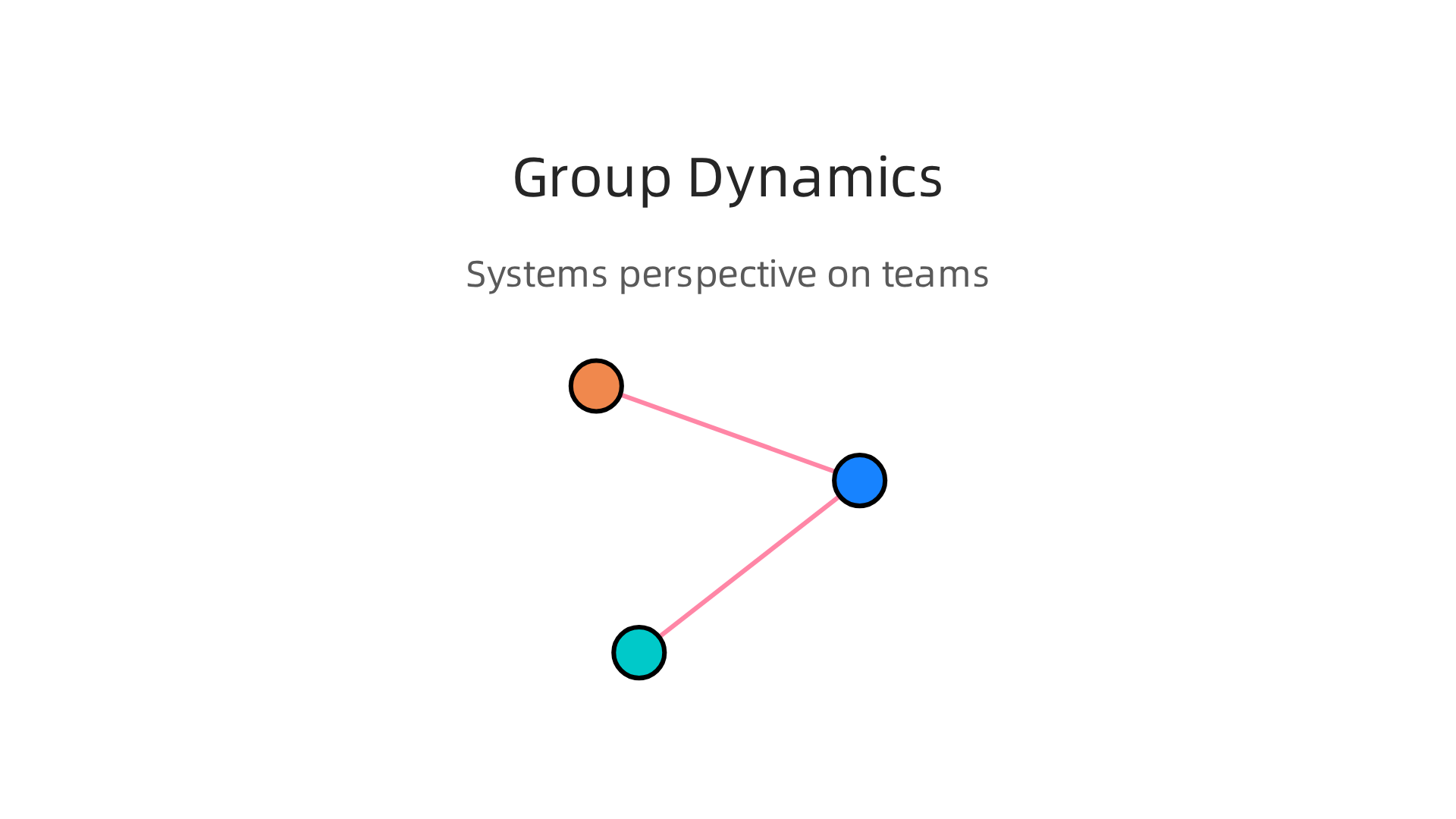
Once you see these forces, you can reshape them. That is where the real work happens. And it moves you beyond asking for synonyms of team player. You actually create an environment where everyone can contribute.
If you want a practical guide to start diagnosing your own team, check out our article on team dynamics what they really mean and how to improve them. It walks you through the exact steps to spot and fix common issues.
The beauty of group dynamics is that you do not need a big workshop. You just need a willingness to look at how your team actually works. Then make small changes. The results can be huge.
10. Synergistic Activities — Creating 1+1=3 Outcomes
Have you ever seen a team produce something that no single person could have imagined alone? That is the magic of synergy. It is a less common but powerful synonym for team building that focuses on combined output greater than the sum of individual efforts. Think of it as the reason why great design teams, startup founders, and creative groups often achieve breakthroughs.
Synergistic activities are not about just getting along. They are about creating outcomes that only happen when people truly collaborate. Research shows that collective intelligence emerges when teams absorb new ideas together, combining cognition, emotion, and shared experience. That is where the 1+1=3 effect comes from.
So what does this look like in practice? You run design sprints, hackathons, or brainstorming sessions with tight constraints. You challenge teams to solve a problem where no one person has the full answer. The result is innovation, not just teamwork.
This approach changes how you think about synonyms of team player. In a synergistic team, no one is just a helper. Everyone is a connector who amplifies others. It moves the team definition from "a group that works together" to "a group that creates together."
If you want more ideas on how to reframe your sessions, check out this guide on team building synonyms to reframe your next collaboration session. It will help you pick the right approach for your creative teams.
Synergistic activities are not for every day. But when you need a breakthrough, they are the closest thing to a shortcut you can get.
Summary
This article explains why the words you use to describe team activities matter and offers 10 practical alternatives to the phrase